Side profile of a bearded man wearing a faded dark blue baseball cap and a matching dark T-shirt against a plain light gray background.

Is a clogged dryer vent a fire risk in Peachtree Corners, GA

Duct and vent cleaningGwinnett County, GA
Step 1 of 3

What kind of equipment?

Yes, a clogged dryer vent is a real fire risk, and it matters more here than in a lot of places. Lint builds up inside the vent every time you dry a load, and if it can't escape through the hood outside, it piles up around the heating element until it's sitting right next to an ignition source. With summers in Gwinnett County running long and muggy, people here dry more loads of towels and bedding than most, which means more lint moving through that vent and more chances for it to catch. A blocked vent also makes the dryer run hotter and longer to get clothes dry, which adds to the strain. If you've noticed your dryer taking two or three cycles to finish a load that used to take one, that's the vent telling you it's restricted. The fix is getting the duct cleared out from the dryer to the outside hood, not just the lint trap you empty each load.

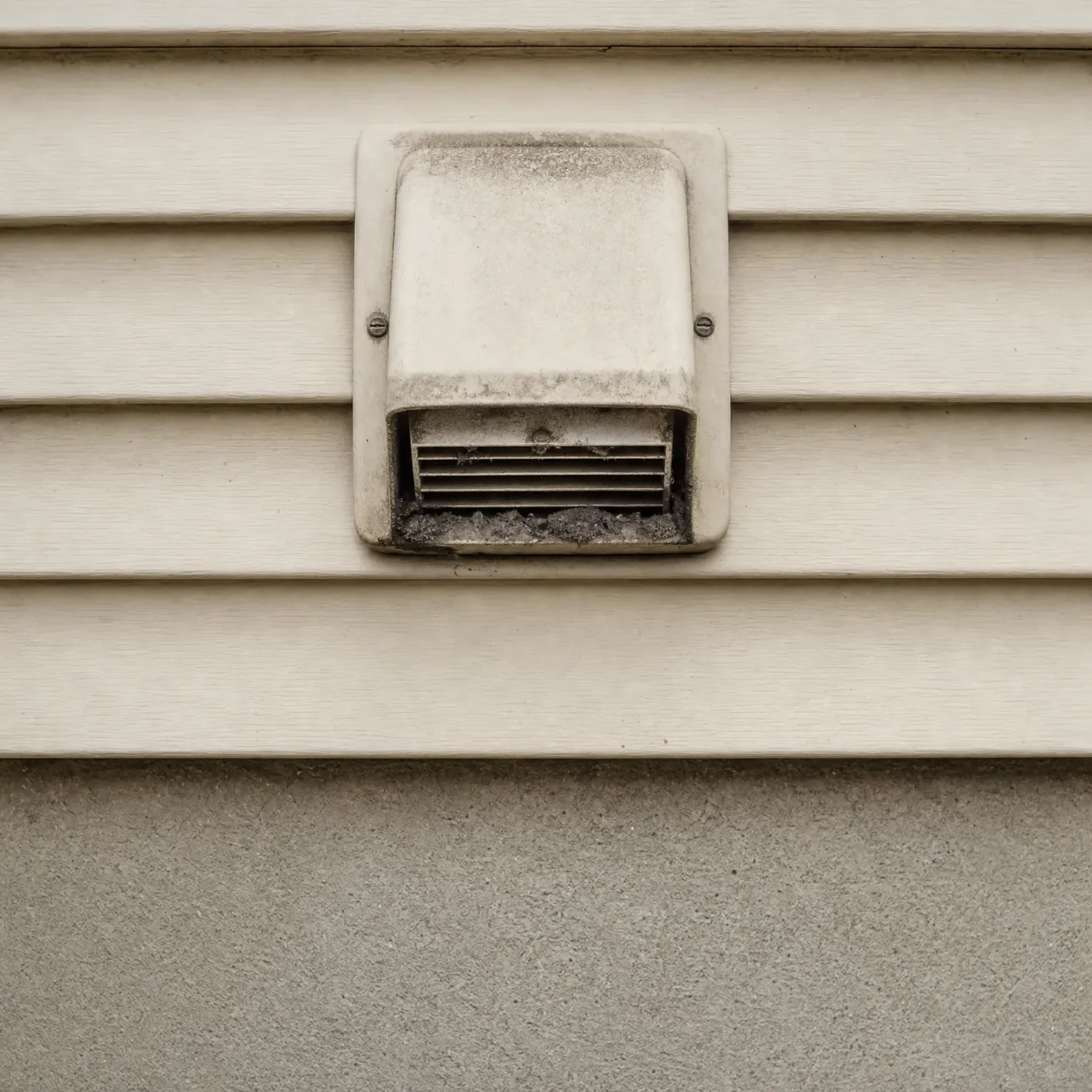
A dusty plastic louvered dryer vent hood screwed into beige horizontal vinyl siding above a gray stucco foundation wall, with lint buildup around the slats.
Before you get your dryer vent cleaning
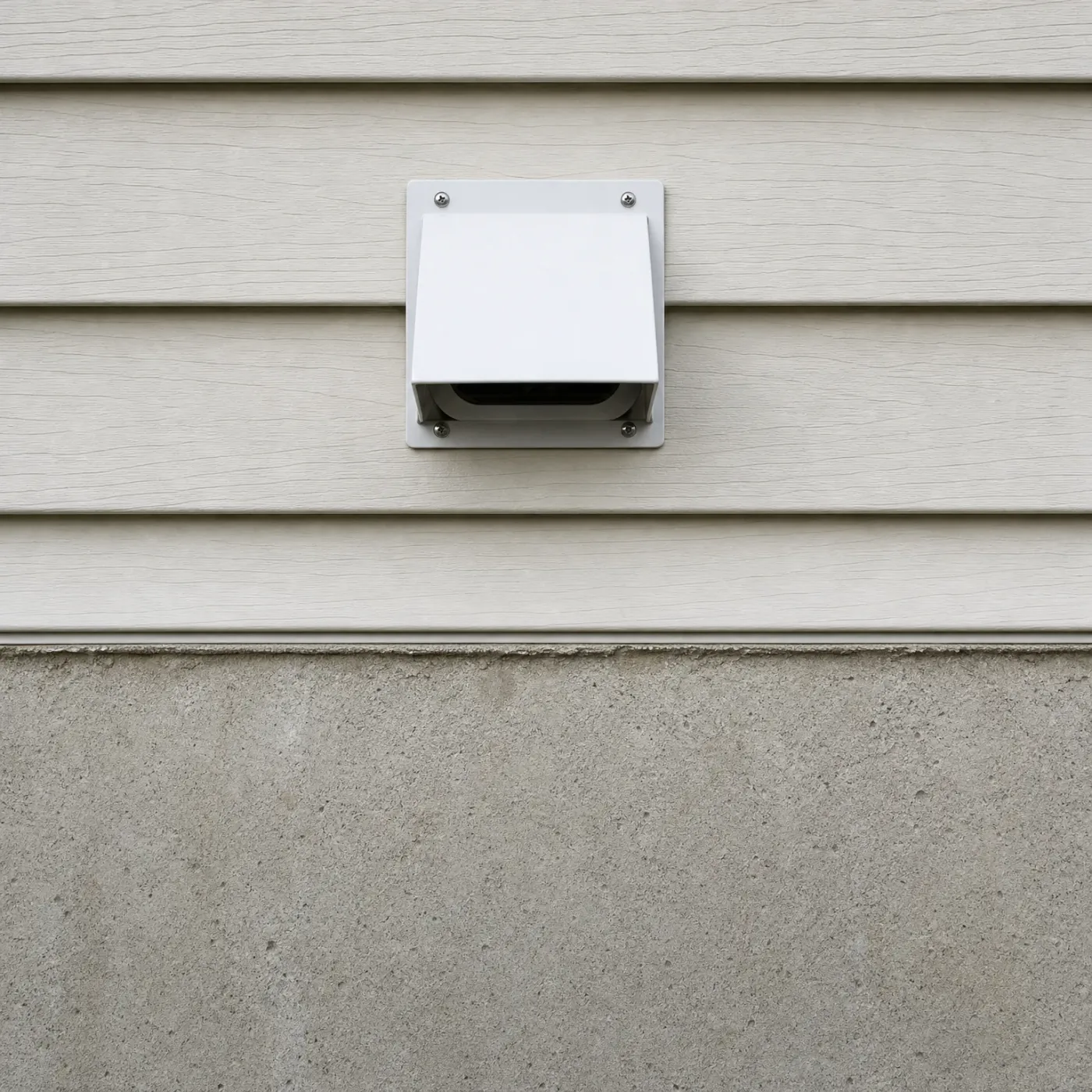
A white hooded dryer vent with a square mounting plate fastened to beige horizontal lap siding above a concrete foundation wall.
After you get your dryer vent cleaning

What does your household mean for your dryer vent risk?

  • 2.98 people per household on average

    A household of about 3 people in Gwinnett County runs the dryer most days, not once a week, so lint has more chances to build up and less time between loads for it to matter.

  • Half the homes here were built by 1996

    Half the homes in Gwinnett County were built in 1996 or earlier, which means the vent run and hood on a lot of these houses have been in place a long time, sometimes without ever being checked.

  • Power here costs 14.13 cents per kilowatt-hour

    Power here runs 14.13 cents per kilowatt-hour, and a dryer pushing air against a clogged vent works harder and longer to dry the same load, so the clog shows up on the bill before it shows up as a fire.

ACS 2020-2024 · EIA-861 2025

  1. Lint sheds off every load and rides the exhaust into the vent

  2. Loose lint snags on bends, screws, and rough spots in the duct

  3. The buildup narrows the path until air can barely push through

  4. Trapped heat climbs around the heating element with nowhere to vent

Why does your dryer run hot and take forever to dry?

A load that used to take 40 minutes now takes over an hour, or it comes out damp and you run it twice. The top of the dryer feels hot to the touch. The laundry room smells warm, almost like something's burning, especially partway through a cycle. You open the lint trap and it's packed even though you cleaned it last load. Outside, the vent hood flap barely moves or doesn't open all the way when the dryer's running. Any one of these means air isn't getting out the way it should, and the heat that's supposed to leave with it is staying inside the vent instead. Left alone, that's the exact condition that lets lint reach ignition temperature.

A pile of folded and crumpled towels in tan, gray, and navy rests on top of a white washer or dryer beside a window with backlit foliage outside, against a dark wall.

It's almost nine on a Tuesday and you still haven't moved the towels. They've been sitting on top of the dryer since before dinner, heavy and damp, smelling a little sour now. You ran them for an hour and ten minutes and they came out barely warmer than when they went in. The dryer itself is warm on top, warmer than you remember it being. Through the vent hood outside you can't feel much air moving at all. Your Gwinnett County house is quiet except for the hum of the dryer still running a second cycle, and you're standing in the laundry room doorway deciding whether to wait it out or just hang them somewhere and deal with it tomorrow.

Leave It vs. Clear It Out

Vent left alone

  • Lint keeps piling up around the heating element with every load, since nothing's pulling it out of the duct.
  • A load that took 40 minutes starts creeping toward an hour, and you start running towels twice.
  • The top of the dryer stays hot to the touch and the laundry room picks up a warm, scorched smell.
  • With a household running the dryer most days, the lint has more chances to build up and less time between loads to matter.
  • Heat has nowhere to go but back toward the drum and the wiring around it.
  • The risk doesn't stay the same week to week, it climbs as the duct narrows.

Vent cleaned out

  • Air has a clear path from the drum out through the hood again, so heat moves with it instead of sitting still.
  • Drying times drop back down because the dryer isn't fighting a blocked duct to push air through.
  • The heating element runs the way it's meant to, without hot air trapped around it load after load.
  • The top of the dryer and the laundry room stop running warm between loads.
  • You're not pulling the same load out damp and running it a second time.
  • Finding someone to clear the vent stops being your problem once the request is sent, no calling around or explaining the issue twice.
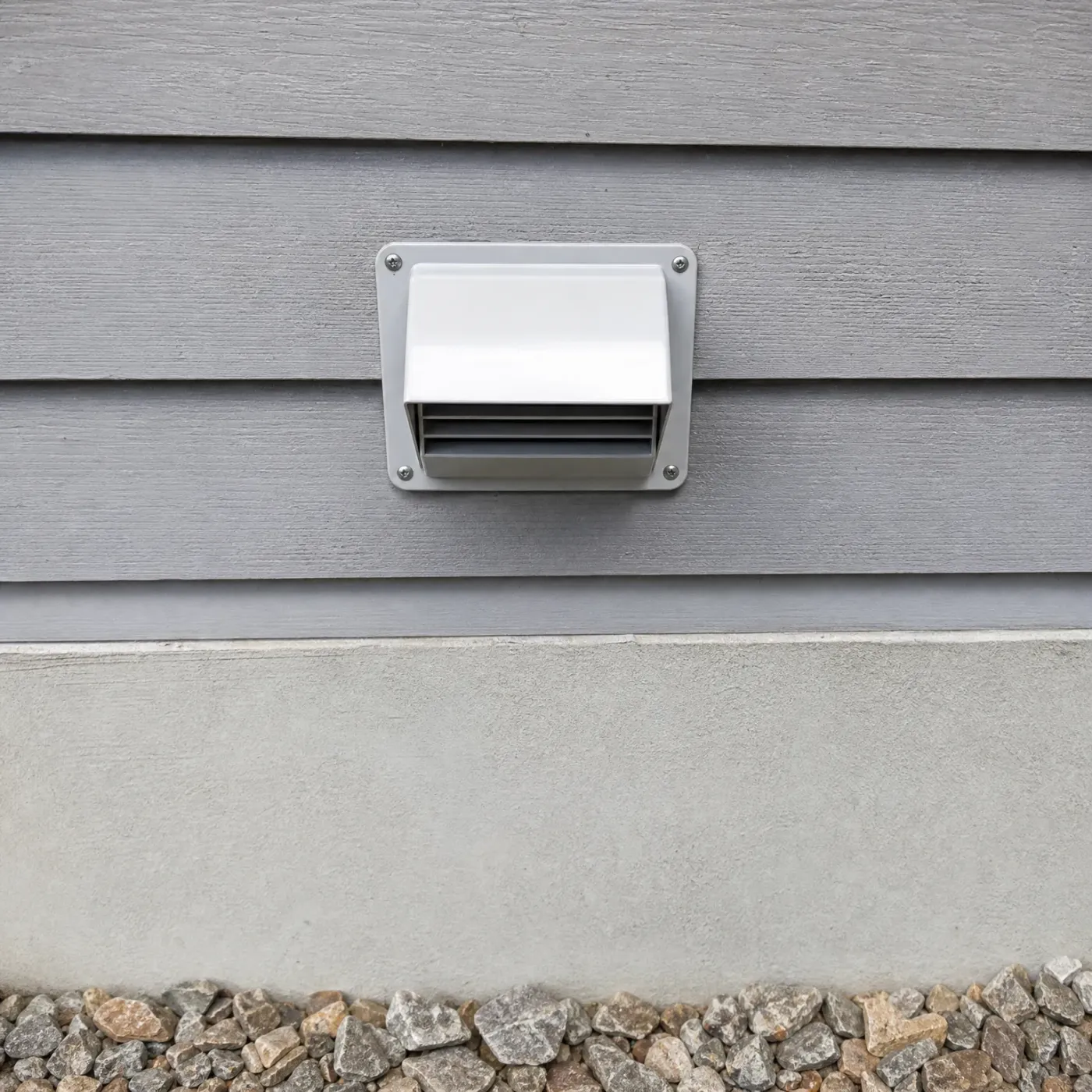
A white hooded louvered vent screwed to gray horizontal lap siding above a concrete foundation wall, with gravel along the ground.

Vent clear, hood swinging free

This is what a clear vent looks like. The louvers sit open and loose, swinging with every bit of airflow from the dryer. Air and lint pass straight through and out, so nothing collects behind the hood or inside the duct.

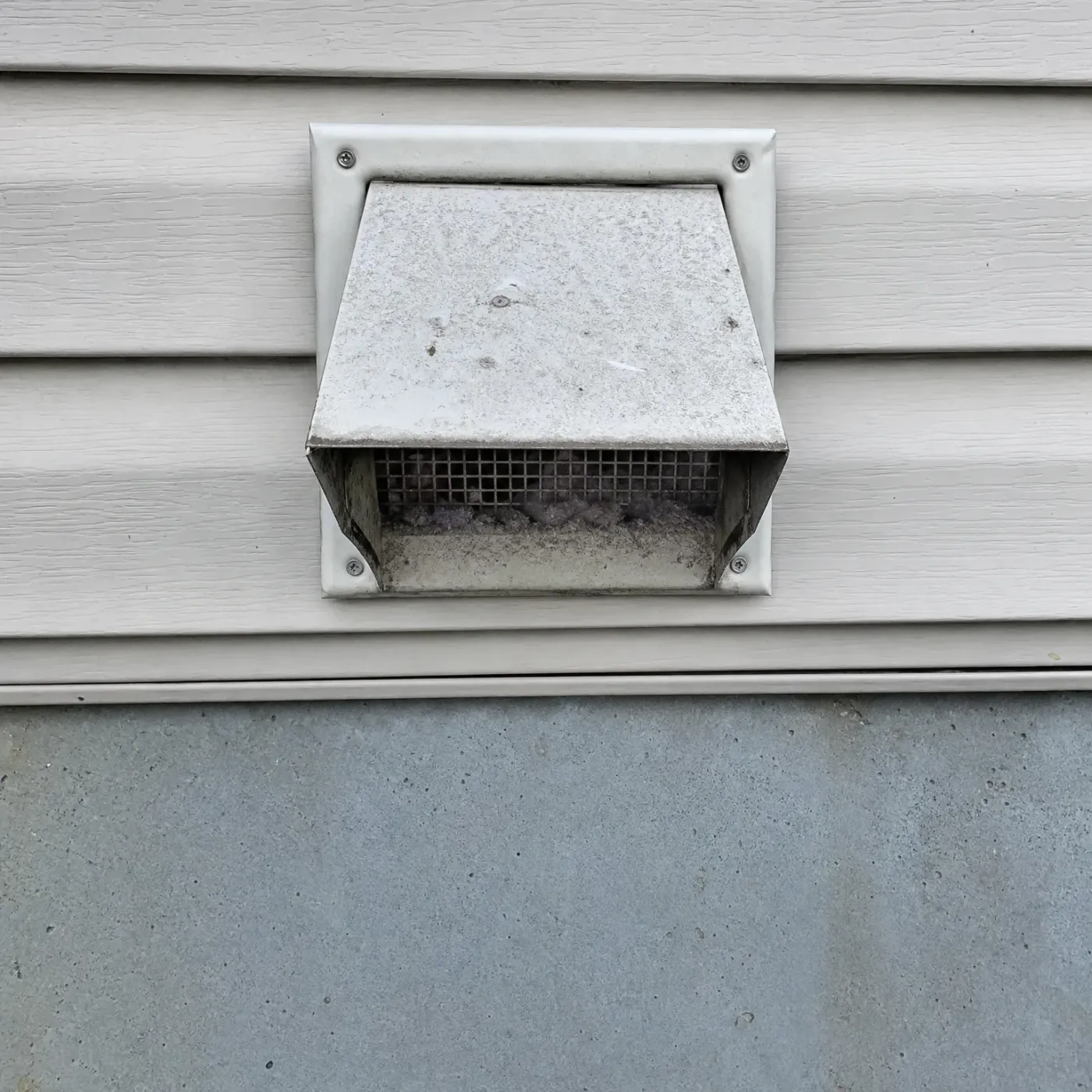
A metal dryer vent hood with a screened opening clogged by gray lint, mounted on light gray horizontal vinyl siding above a concrete foundation wall.

Hood caked shut with lint

This is what's blocking the air. The mesh and louvers are packed with lint until the hood barely opens. Air has to fight its way out, and heat that should escape outside stays trapped in the duct instead.

A smiling man in a green long-sleeve shirt stands at a dark kitchen counter with a ceramic mug, with wood cabinets, white tile backsplash, and a window and dining table behind him.
A smiling man with wavy dark hair and a beard, wearing a navy sweater, sits at a kitchen counter with a gray mug, with a dining table, potted plant and windows behind him.
A bearded man in a dark green sweater smiles and looks to his right while seated at a white kitchen counter with a gray mug, with windows and greenery behind him.
A smiling man in a dark navy sweater stands in a home interior beside a counter with a white mug, with a kitchen, hallway and potted plant in the background.

Done looking for a dryer vent pro

Fill out one short form instead of calling around.

No charge to send it. You decide if you hire them.

Why lint catches fire at all

Lint is dry and loose, and it's made of the same fibers as the clothes it came from, so it ignites easily once it gets hot enough. A dryer's heating element can reach several hundred degrees. With a clear vent, that heat moves outside with the exhaust air. With lint packed around the element, the heat has nowhere to go, and it climbs right where the fuel for a fire is sitting.

Why the hood matters as much as the duct

The vent hood outside your house has louvers that are supposed to swing open with airflow and snap shut when the dryer's off. Lint collects there as much as it does inside the duct, and a hood packed with lint can look closed and stuck even when the dryer's running. If you can walk outside and check it, a hood that won't open on a running dryer is telling you the vent is blocked.

2.98 people per household on average

Close to 3 people in most Gwinnett County households means more loads through your dryer every week. Each one adds lint to the vent, so with a house this size, buildup collects faster than it would for someone living alone, and the gap between cleanings matters more.

ACS 2020-2024

A bearded man in a navy t-shirt sits on a beige sofa, laughing while looking toward a laptop screen visible in the lower foreground, with a houseplant, shelves, and a framed picture behind him.
A bearded man in a plaid flannel shirt stands indoors looking out a condensation-covered window at a snowy landscape, with a speckled mug on the sill and kitchen shelves behind him.

How does a clogged dryer vent actually start a fire?

You've heard a clogged vent is a fire risk, but it's hard to picture how lint actually turns into flame. You're not looking for a scare, you want to know the mechanics of it, the same way a tech would explain it if you asked them straight out while they worked.

Trapped heat ignites the lint directly against the element

A dryer's heating element gets hot enough to dry wet clothes in under an hour, which means it runs well above the temperature lint needs to catch. With a clear vent, the airflow carries that heat straight outside along with the lint. Once the duct is packed, the air has nowhere to go, so the heat stays trapped right around the element instead of moving past it. Lint sitting that close, in air that hot, with nowhere for either to escape, is what starts the fire. It doesn't take a spark. It takes heat with no way out and lint close enough to catch it. That's the entire mechanism, and it's the same in every home.

A white hooded dryer vent with a screened opening mounted on beige horizontal lap siding.

Vent cap, clear and clean

This is what the outside of your vent should look like. The louvers sit open, the screen behind them is free of lint, and the four screws holding the hood are the only thing dusty about it. Air pushes the flap open every time the dryer runs, then it falls shut.

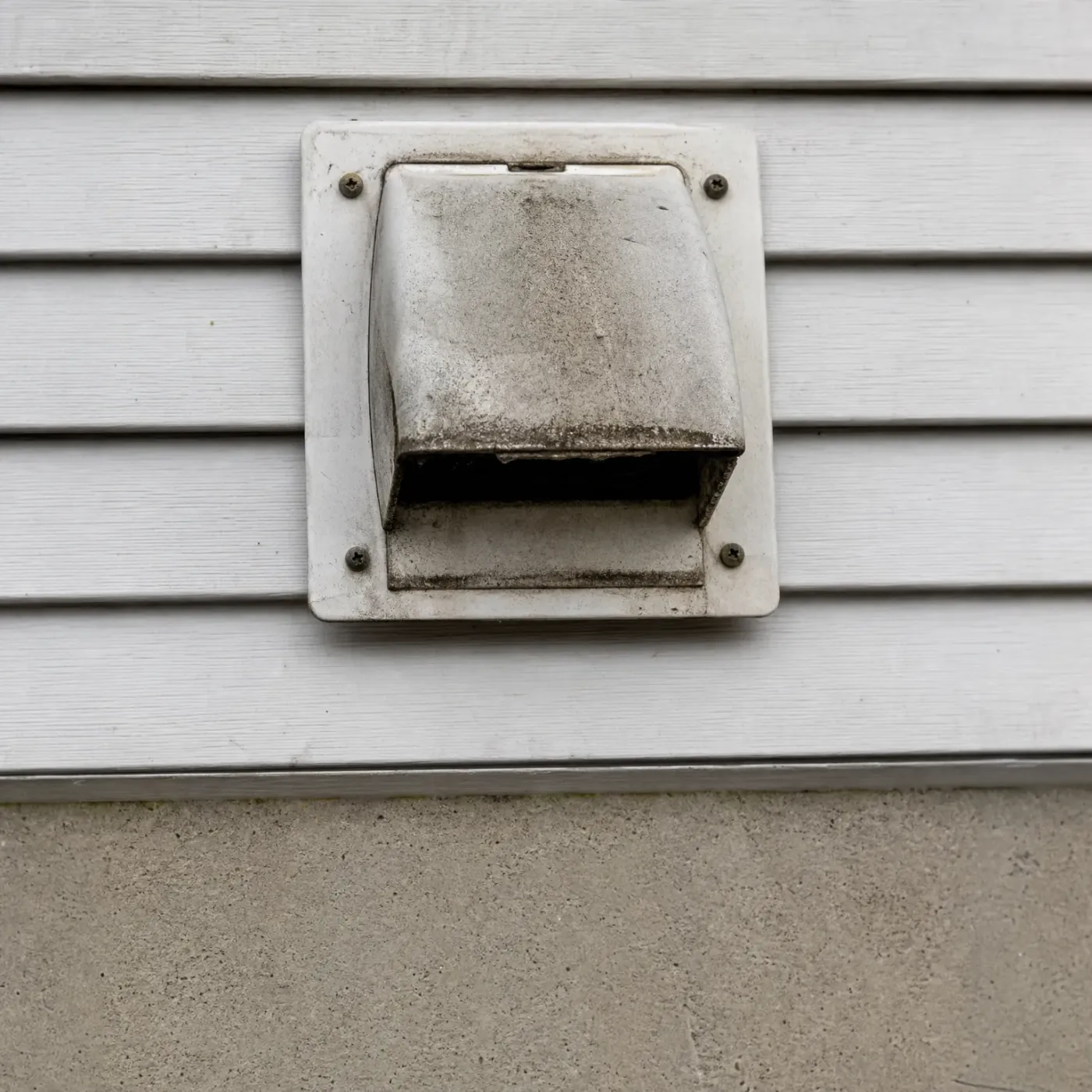
A dirt-streaked white plastic dryer vent hood screwed to light gray horizontal lap siding above a concrete foundation wall.

Vent cap, caked with lint

Dust and lint coat the hood and build up around the flap opening until the louver barely moves. Air that should push straight out is fighting through a layer of buildup instead, and some of what the dryer sheds never makes it outside at all.

A wooden table with a closed laptop, a ceramic mug of dark coffee, and a glass vase of eucalyptus stems beside a window, with a dark green kitchen cabinet, wooden counter, potted herb, cutting boards and bowl blurred in the background.

So yes, it's worth taking seriously

A clogged dryer vent is a fire risk, plain and simple. Lint builds up around the heating element, heat has nowhere to go, and with a household running loads most days of the week, that buildup happens faster than you'd think. You've seen the signs already: the long dry times, the hot top panel, the warm smell in the laundry room. That's the vent telling you it's blocked.

Getting it cleared means finding a contractor who does this work, which usually means calling around, explaining what your dryer's been doing, and sorting through quotes before you even get someone scheduled. Send the form on this page and that part is done. You won't be the one tracking down who's available or repeating yourself to the next person on the list.

A living room with a cream sofa and knit throw beside a window, with a wooden coffee table in the foreground holding a round woven tray, a small bowl, and a speckled vase of green leafy branches.
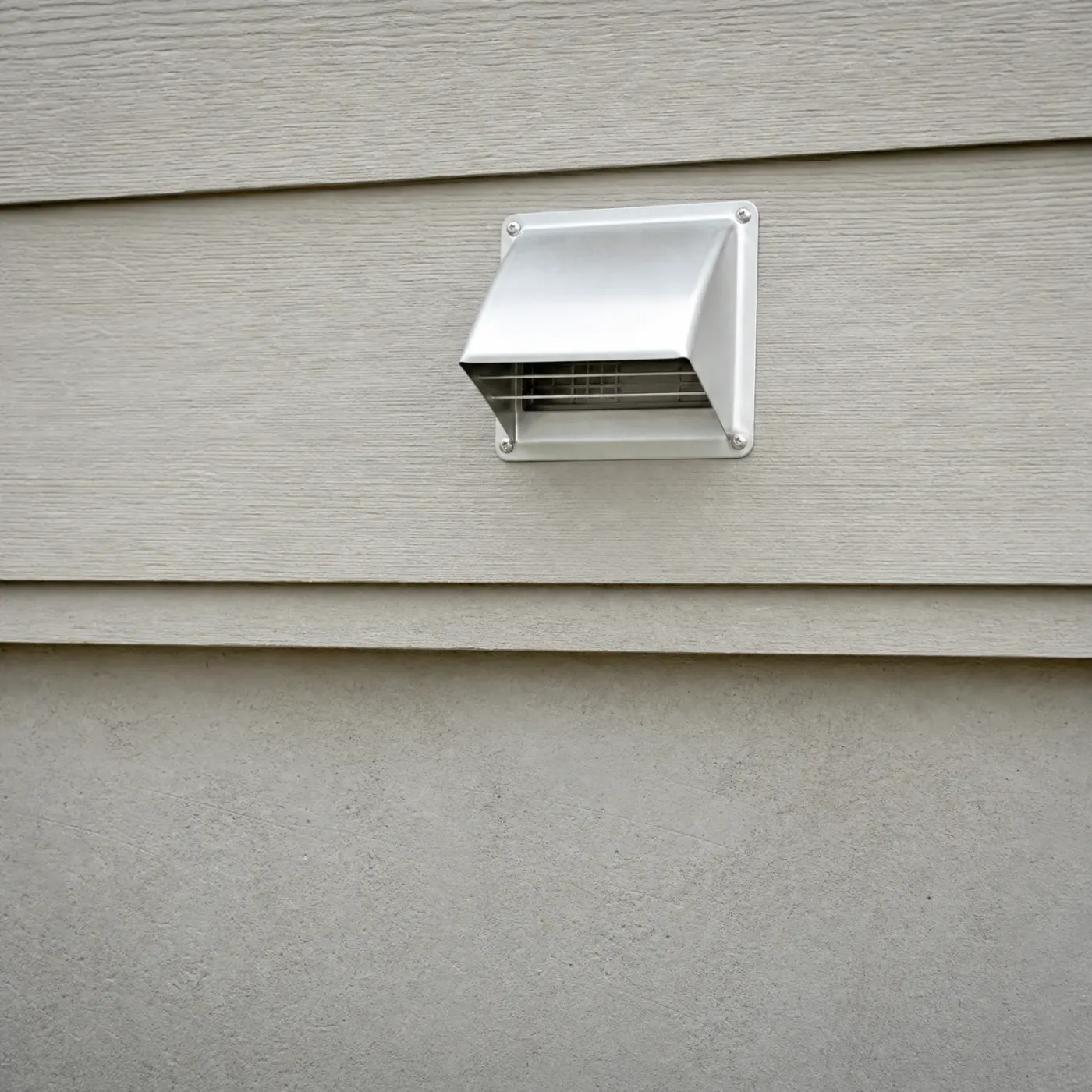
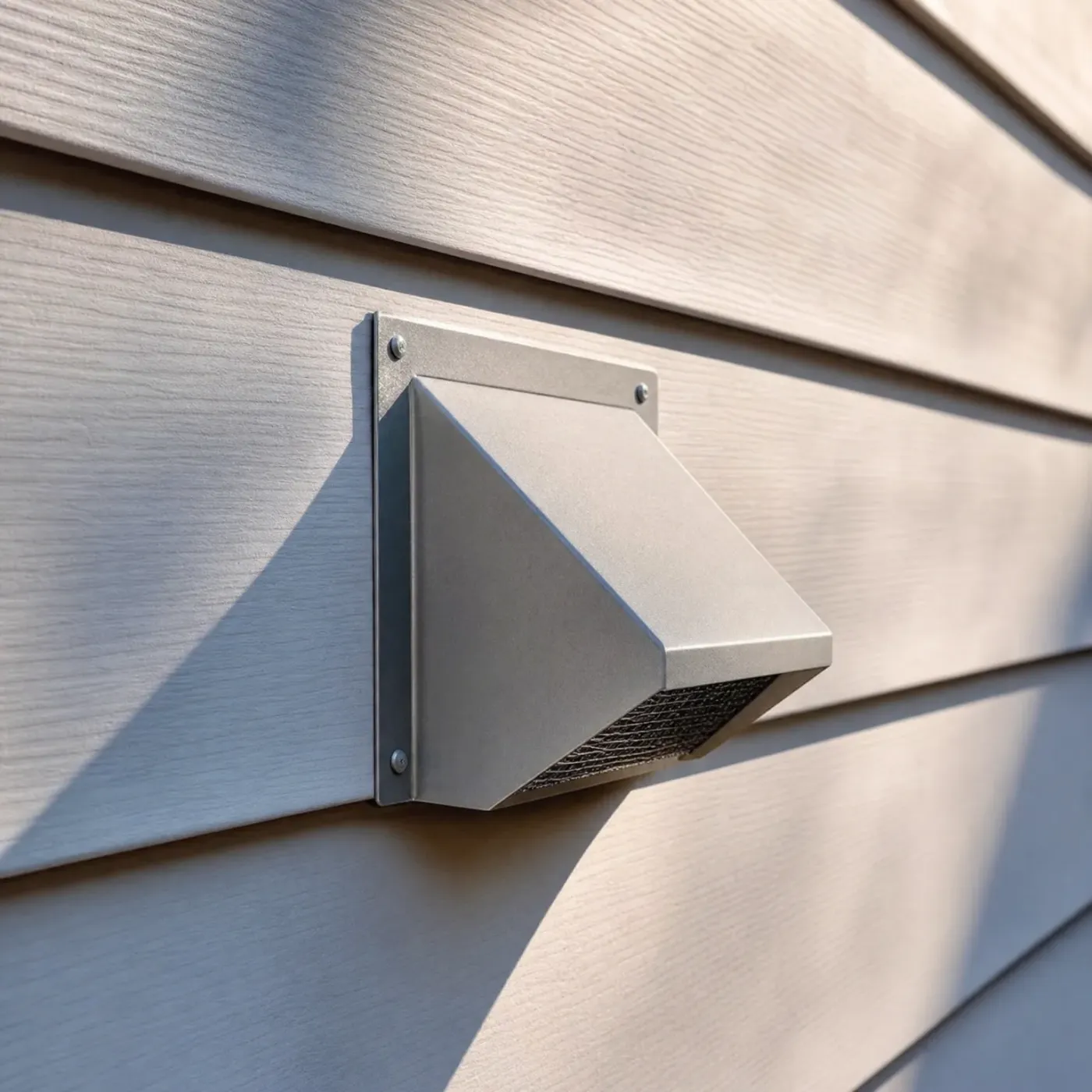
A metal hooded exterior vent cover with a screened downward opening, screwed to light gray horizontal lap siding in sunlight.

It's off your list after this

Skip calling around

Explain the job once and skip repeating it on every call.

There's no charge for the request.