




Is a clogged dryer vent a fire risk in Georgia

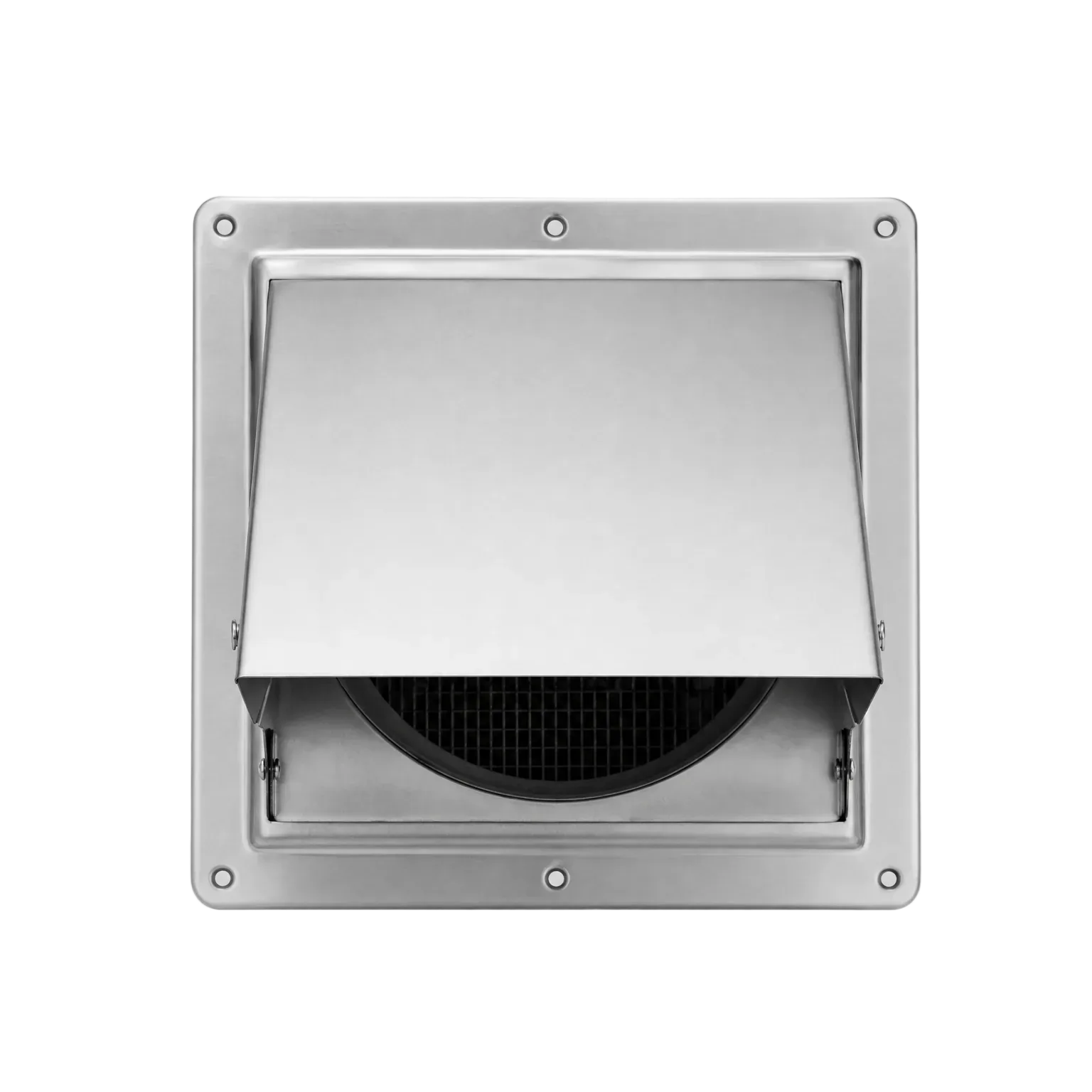
A square stainless steel wall vent hood with a hinged flap cover and a round mesh-screened duct opening, shown centered against a plain light gray background.
Get matched

Is a clogged dryer vent a fire risk in Georgia

You run the dryer most of the week, especially with the humidity here keeping clothes damp longer, and you've noticed it's taking longer to dry a load than it used to. Someone mentioned lint buildup can actually start a fire, not just slow the machine down. You want to know if that's a real risk in your house or just something people say.

Yes, a clogged dryer vent is a real fire risk

Lint is paper thin and it burns fast. When a vent is blocked, the dryer still produces heat but the hot air has nowhere to go, so it backs up into the machine instead of venting outside. That trapped heat can ignite lint sitting right at the heating element. Georgia's humidity makes this worse, since damp clothes already ask more of the dryer, and a dryer running hotter and longer to compensate pushes more lint loose and keeps the heating element working harder. A vent that's clogged isn't just a dry-time problem. It's a dryer running hot with no way to let that heat out.

A metal hooded dryer or exhaust vent mounted with screws on gray horizontal lap siding, beside a plain off-white wall surface.

Why lint catches the way it does

Lint is dry fiber, and it builds up inside the vent pipe every time you run a load. The dryer pushes hot air through that pipe with every cycle, and heat plus a pile of fiber is what starts a fire. A clean vent lets that hot air escape outside. A choked one holds the heat inside the duct, right where the lint sits.

A white metal hooded exterior vent screwed to a square backing plate on light gray horizontal lap siding, with a blank off-white wall filling the left half of the frame.

What a longer dry time tells you

When a load that used to take forty minutes now takes over an hour, the dryer is working harder to push air through a narrowing pipe. That extra strain heats the dryer itself, not just the air inside the duct. The motor runs longer, the heating element stays on longer, and both sit closer to the lint than they should.

A man in a dark blue shirt stands in an open front doorway of a stucco and wood-clad house, facing a blond woman seen from behind in the foreground on a stone walkway.

What a slow-drying load is telling you

A load that used to take forty minutes and now takes an hour isn't a worn-out dryer. It's a vent that can't move the air it used to. With Georgia humidity already making clothes hold water longer, a partly blocked vent adds heat and moisture on top of that, and the dryer runs longer to finish the same load. That's wear on the heating element and the motor, and it's a longer stretch of hot air sitting in a pipe packed with lint.

You don't need to know how long it's been since that vent was cleaned to decide it's worth checking. Someone who inspects vents for a living can tell you in minutes whether yours is actually restricted or just needs a reset on the lint screen. Once you request that, the job of finding the right person for your vent setup is off your plate. You'll hear from a contractor directly, and you can go back to running the dryer without wondering about it.

Interior corner of a dining room with a round wooden table, a ceramic vase holding olive branches, a dark spindle-back chair near a curtained window, and a sideboard with a lamp against beige walls.
A metal hooded dryer vent with a louvered opening mounted on beige horizontal lap siding above a concrete foundation wall.

Clear vent

This is what a dryer vent should look like. Air moves straight out through the flap with every cycle, and the cap stays clean because nothing is slowing the exhaust down. A load finishes in the time it's supposed to, and no heat builds up where it shouldn't.


A white hooded dryer vent mounted on horizontal lap siding, with a thick mass of gray lint clogging the opening beneath the hood.

Clogged vent

Lint has packed in behind the flap until it props the cover open on its own. The dryer is still pushing hot air into that pipe every time you run it, with nowhere for it to go. That's a pile of fiber sitting against a heat source, which is how these fires start.

An older man with gray hair, a dark coat and scarf dusted with snow stands in a warmly lit entryway with an open wooden door, a table lamp, framed pictures, and a plant in a vase.
An older man with gray hair and a beard wearing a dark snow-dusted coat stands in a home entryway, with a lamp-lit living room and a wooden staircase behind him.
An older man with gray hair and a beard, wearing a dark snow-dusted coat, stands in a warmly lit home entryway with a hallway, console table with lamp, patterned rug, and living room visible behind him.
A gray-haired bearded man in a dark snow-dusted coat and scarf stands inside a dimly lit home entryway, with a hallway, framed picture, lit table lamp and staircase behind him.

Matched to your dryer vent job

You've read what the lint is doing and what the slow drying means. The part left is what happens next in your house. A clogged vent doesn't announce itself beyond a longer cycle and a hotter laundry room, and that's exactly why it gets put off. Nobody schedules around a problem that just seems like an inconvenience. But the heat building up behind that blockage doesn't wait for a convenient week, and running the dryer again tonight runs it through the same clogged pipe as last night. Getting someone out to clear it is a straightforward job, not a project, and once you send the request you're not the one tracking down who's available or calling around for quotes. That part moves off your plate. You still get to decide if the timing works once a contractor reaches out. In the meantime, every load is passing hot air through a vent you already know isn't clear.

How the heat actually backs up

  • The dryer's heating element or gas burner cycles on and off, controlled by a thermostat that reads the air temperature inside the duct.
  • When lint blocks the vent, hot air backs up instead of leaving the house, and that thermostat reads a hotter duct than the room really is.
  • A thermal fuse is the backup: it's built to cut power to the heating element once the air around it gets too hot to be safe.
  • That fuse is meant to trip once in the dryer's life, and a lot of owners don't know it's there until it already has.
  • Lint doesn't need a flame to catch. It's a dry, loose fiber sitting a few inches from a heating element already working harder than it should.
  • Most vent fires start at the back of the dryer or inside the wall, not in the open, which is why nobody smells it until smoke is already coming through a vent cover or an outlet.

A dryer doesn't run the heating element nonstop. A thermostat inside the duct checks the air temperature and switches the element on and off to keep it in range. That thermostat has no way of knowing whether it's reading hot air that's about to leave the house or hot air that's stuck there because the vent is packed with lint. Either way, it reads a number, and it reacts to that number.

When the vent is clogged, the air has nowhere to go, so it sits in the duct and keeps climbing past what the thermostat was ever designed to see. The thermal fuse is the part that's supposed to catch that. It's a one-time safety switch wired to cut power to the element once the air around it crosses a temperature nobody wants reached. Most owners never know the fuse is there until it's already tripped and the dryer suddenly won't heat.

None of this needs an open flame to go wrong. Lint is dry, loose, and sitting right next to an element that's working harder than it should to reach a temperature the thermostat still thinks is too low. And because the buildup is usually behind the dryer or inside the wall cavity, it's not something you'd see or smell early. By the time smoke shows up at a vent cover or an outlet, the problem has been building for a while.

Power costs 14.74 cents per kilowatt-hour statewide

At 14.74 cents a kilowatt-hour, a dryer running longer because of a blocked vent shows up on your bill, but the bigger cost is the heat that buildup traps with every load you run.

EIA-861 2025 statewide residential average

A load that runs its normal cycle and shuts off on time means the vent is clear and the air has somewhere to go.

A load that keeps tumbling past the time it should have stopped means the vent is already restricting that air, and every extra minute is heat with nowhere to go but back into the duct.

A woman wrapped in a thick cream knit blanket sits in an armchair beside a lit table lamp, with an open book in the foreground and a frost-covered window behind her.
A woman in a cream knit sweater sits in an armchair with her eyes closed near a window showing yellow autumn foliage, with a mug on a round wooden side table beside her.

A clogged dryer vent is a real fire risk, and the signs are ones you can check yourself. Longer dry times, a hot laundry room, a cap outside that barely moves when the dryer runs. None of that is normal wear. It's lint narrowing the path that hot air needs to get out of your house. Georgia's humidity already makes the dryer work harder to finish a load, so a blocked vent on top of that means more heat staying in the duct for longer stretches, cycle after cycle. The fix isn't complicated, but it does mean getting the vent actually cleared, not just the lint trap. Once you send the form, you're done with the part that's hard to do alone, finding someone who knows how to clear a vent properly and get out to your house to do it. The rest is off your plate.

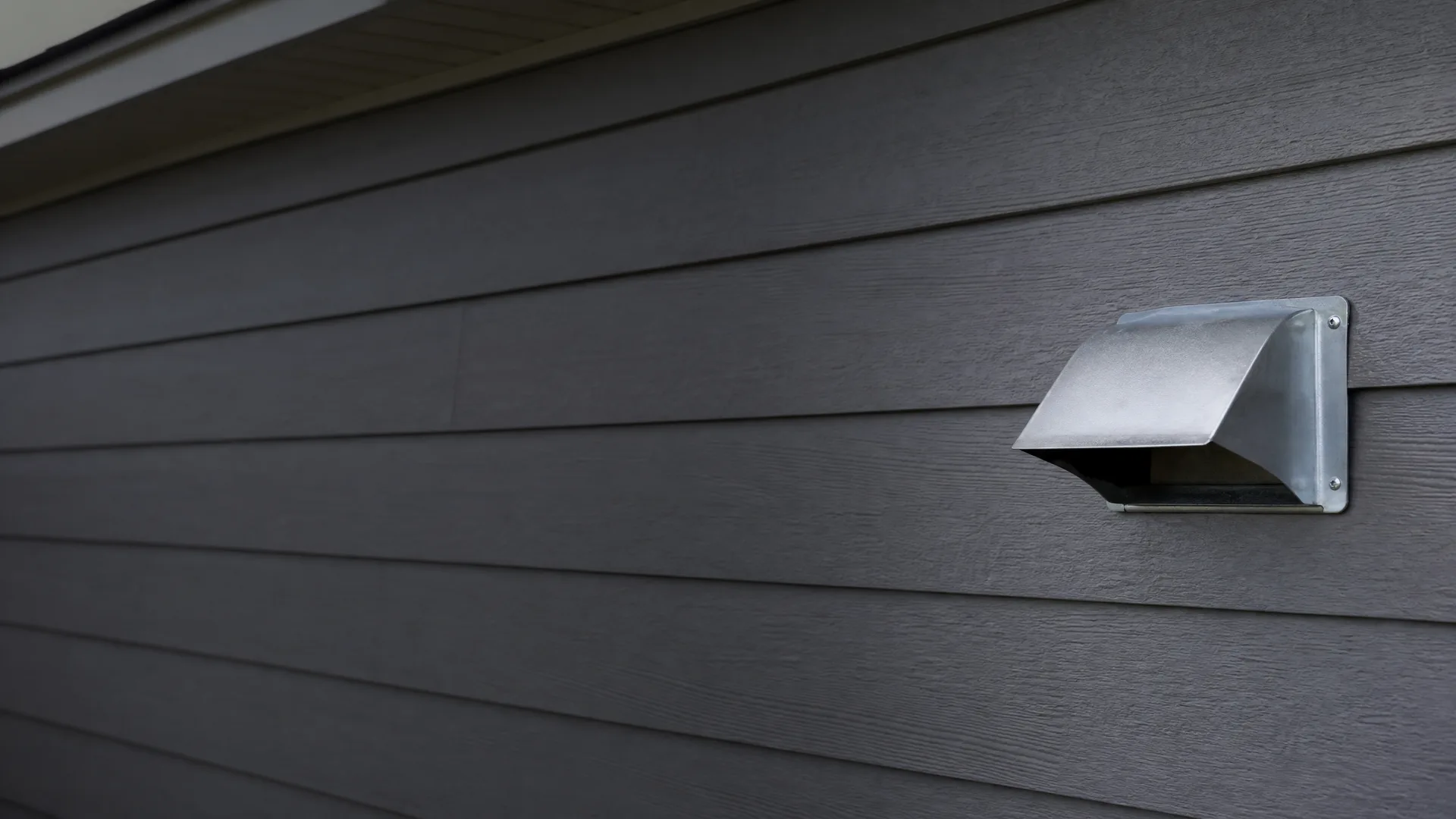
A metal hooded exterior vent cover mounted on dark gray horizontal lap siding, photographed at an angle along the wall.

A dryer vent pro near you

Send it once and finding someone is no longer on you.

Duct and vent cleaningGeorgia
Step 1 of 3

What kind of equipment?