

The vent doing its job
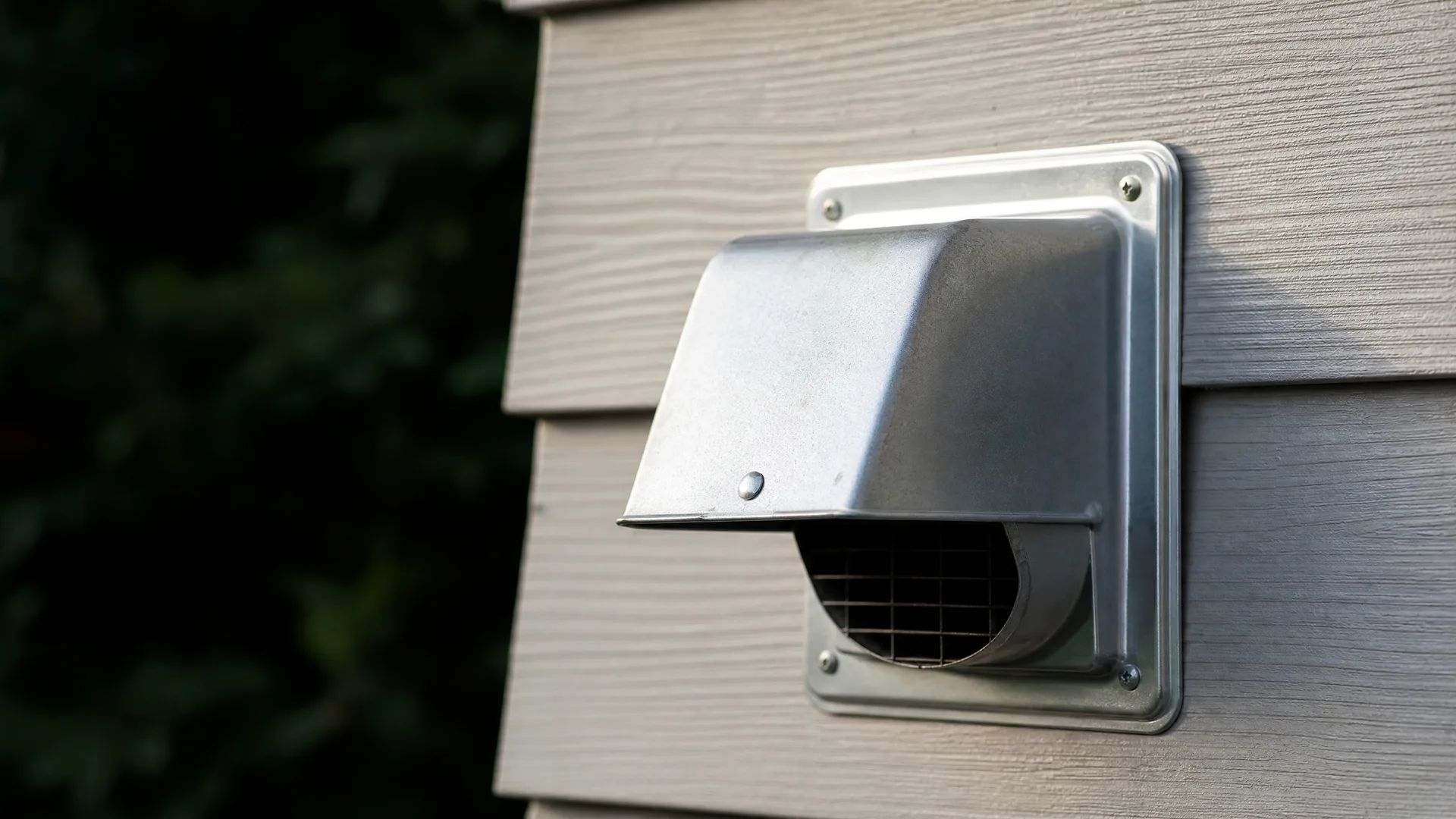
This is what a clear vent looks like from outside. The hood sits flush against the siding and the flap hangs loose, ready to swing open the moment the dryer starts pushing air. Nothing blocks the opening.
One request and the search for a pro is handled.
Hand off the searchYou load the dryer, run a full cycle, and pull out clothes that are still damp. So you run it again, and maybe a third time, just to get a load dry that used to take one pass. It's not your imagination, and it's not always the dryer itself. Something is slowing it down, and once you know what to look at, it's usually easy to tell the difference between a quick fix and a bigger problem.
A dryer works by pushing hot, wet air out through the vent while pulling in fresh air to heat. When the vent is packed with lint, that air has nowhere to go, so the drum stays full of moisture and heat that should have left the house. The dryer senses the clothes are still wet and keeps running, which is why one cycle turns into two or three. Summers in Peachtree Corners run long and muggy, and that extra humidity in the air you're pulling in makes a partly blocked vent work even harder to push moisture out. A full cleaning clears the line so air moves the way it's supposed to again.

A lint trap catches most of the lint, but not all of it. What gets past the trap moves down the vent and sticks to the inside of the duct, especially at bends. Over time that buildup narrows the path the air has to travel. The dryer still runs, the drum still turns, but less air gets through, so the moisture that should leave with the exhaust stays in the clothes.

A dryer vent in a house like the ones around Peachtree Corners often runs farther than the straight shot from the laundry room to the nearest wall suggests. It may run through a wall cavity, turn at least once, and exit somewhere on the exterior. Every turn and every foot of duct is a place lint can catch. The more turns, the harder the dryer has to push air to clear the same load.
2.98 people per household on average
A household here runs 2.98 people on average, which means more laundry loads a week and a vent that has to clear lint more often to keep up.
Half the homes here were built by 1996
Half the homes in Gwinnett County were built in 1996 or earlier, old enough that the vent run was likely set up for a shorter, straighter duct than many dryers need today.
Power here costs 14.13 cents per kilowatt-hour
At 14.13 cents per kilowatt-hour, power here runs about average, so a dryer running two or three cycles to finish one load adds up without you seeing it as a repair problem.
ACS 2020-2024 · EIA-861 2025
A dryer doesn't dry clothes with heat alone. The drum tumbles them through warm air, and that air has to carry the moisture it picks up straight out through the vent to the outside. The whole cycle depends on that air actually leaving the house. When the vent is clear, moist air goes out and fresh heated air keeps coming in behind it. When something narrows that path, the air that should be leaving stays in the drum, and the dryer is left reheating the same damp air instead of pulling in new heat. The thermostat inside only checks temperature, not whether clothes are actually losing moisture, so it reads warm air as a working cycle and keeps running well past when the load should have finished.
The outside hood is where this usually shows itself first. It has a flapper that's supposed to swing open under airflow and close when the dryer shuts off, keeping pests and weather out. If you watch it while the dryer runs and it barely lifts, or you can see lint caked around the edges, that's airflow telling you it's struggling somewhere upstream. The duct itself matters too. Rigid metal duct gives air a smooth, straight path. Flexible foil or plastic duct sags between its supports, and every low point in that sag is a place for lint to settle and build rather than blow through, which narrows the vent from the inside without anyone seeing it.


You open the door and the clothes are hot but not dry, and the drum feels more humid than it should. The outside cap barely moves when the dryer runs, where it used to flap steady. A load that used to finish in one cycle now needs two or three, and the laundry room picks up a warm, damp smell partway through. You might notice the top of the dryer is warmer than usual to the touch. Left alone, a vent that can't clear air keeps the dryer running longer than it should on every load, and that heat and moisture have to go somewhere if they aren't going outside.




You clean the lint trap every load and figure that's enough, so a slow dryer has to be the machine wearing out and due for replacement.
The trap only catches what's in front of it. The vent running from the dryer to the outside wall is a separate path, and it clogs on its own schedule.


You've already run the load twice and checked the lint trap both times. That's not where this one gets solved. A vent cleaning clears the duct itself, the part you can't see and can't reach, so the air coming off the heating element actually makes it outside instead of backing up into the drum. Someone local who handles these vents all summer, when loads pile up and the air outside is already thick with its own moisture, knows what a choked vent looks like versus a dryer that's simply worn out, and can tell you which one you've got. Your request goes to one contractor who works in Peachtree Corners, not a handful competing for your callback. Get that cap moving again before another damp load costs you another hour.

This is what a clear vent looks like from outside. The hood sits flush against the siding and the flap hangs loose, ready to swing open the moment the dryer starts pushing air. Nothing blocks the opening.

Here the hood is packed with lint and the flap has stopped closing all the way. Air that should shoot out in a steady stream is backing up into the duct instead, which is why the dryer upstairs can't shake the dampness.
With close to three people in the average home here, that's more loads through the dryer each week than a single person or a couple would run. More loads means more lint moving through the vent, and a vent clearing that much more often is a vent that clogs sooner.
ACS 2020-2024


A tech runs a rotating brush through the vent from both ends.
The brush knocks years of packed lint loose from the duct walls.
A vacuum pulls the loosened lint out of the line as it goes.
The tech checks the outside hood to confirm the flap swings freely.

The hood sits flush against the siding, and the flap hangs loose behind it. Air comes straight out as soon as the dryer starts, carrying the heat and moisture with it. Nothing slows it down on the way out.

Lint has packed in around the hood and over the mesh screen, narrowing the opening the air has to pass through. The dryer still runs the same cycle, but now it's pushing against a blocked path instead of an open one.
A dryer that needs two or three passes to finish one load has a blocked vent, not a dying machine. Clear the duct and the hot, moist air has a straight path outside again, and the dryer goes back to doing in one cycle what it's been struggling through three times to do. Someone who services this equipment every season in Gwinnett County has seen what a packed vent looks like at both ends and knows how much buildup it takes to choke a hood shut. You'll be matched with one licensed local contractor for this, not a handful of companies competing for your callback, so you're dealing with a single person who already knows what they're walking into before they get to your house. That's where you stand: the problem has a name, the fix is straightforward, and the next step is getting someone out to clear the line.
Send one request and you're done looking