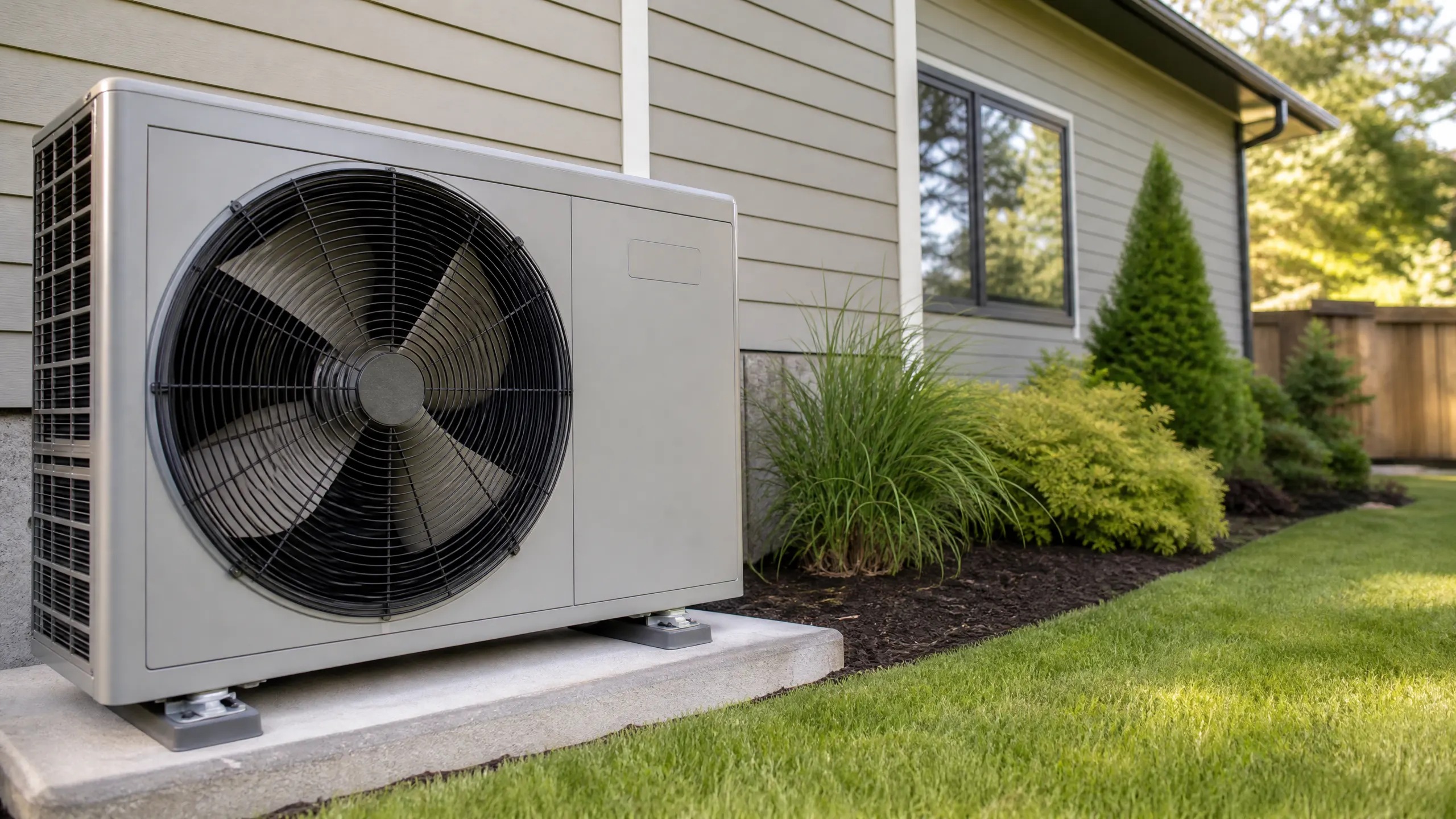
Heat Pump Repair in Douglasville, GA
Homes here need heat from November through April and cooling from May through September. If your system quits, tell us what it's doing and a licensed contractor who covers Douglas County will get in touch.
Tell us about the job
It takes about a minute.
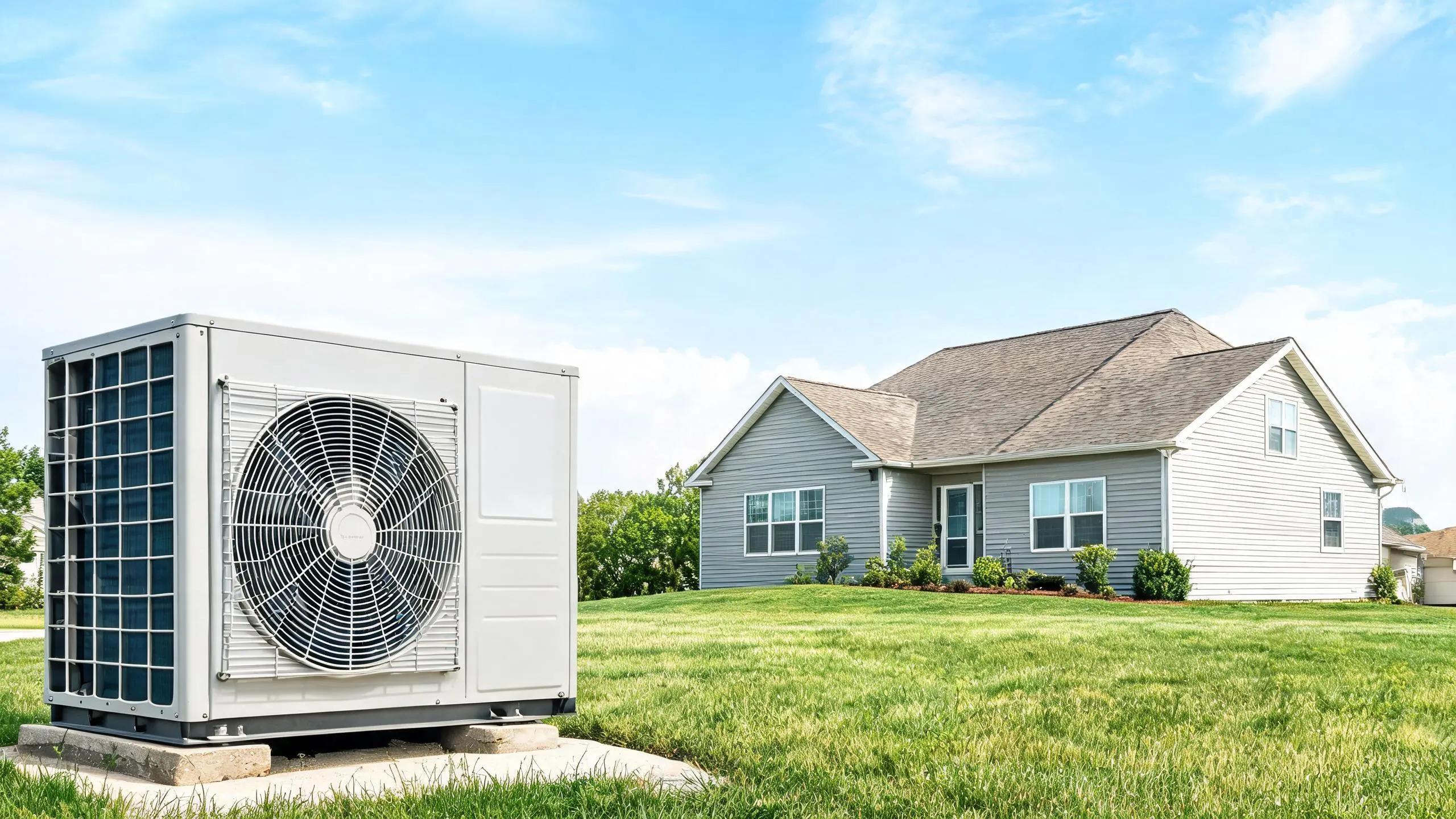
Your heat pump works almost the whole year here
In Douglas County your heat pump runs from November through April to keep the house warm, then switches over and runs May through September to keep it cool. That is 11 months of the year with barely a break, so the parts that start and stop the system, and the parts that reverse it between heat and cooling, get worked hard on both ends.
Winter nights averaging 34°F mean the heat pump is pulling warmth from cold outside air for hours at a time, and the reversing valve that switches it between modes takes the strain each time the season turns. Summer afternoons near 88°F push it the other way, running the compressor long hours to keep up. With 122 damaging wind events recorded here over the past ten years, outdoor units also take a beating sitting outside, and a knocked-loose connection or bent fan blade after a storm is a common reason one stops responding.
- 6 months
- November through April, your system heats
- 5 months
- May through September, it cools
- 34°F
- the average winter night it heats against
- 88°F
- the average summer afternoon it cools against
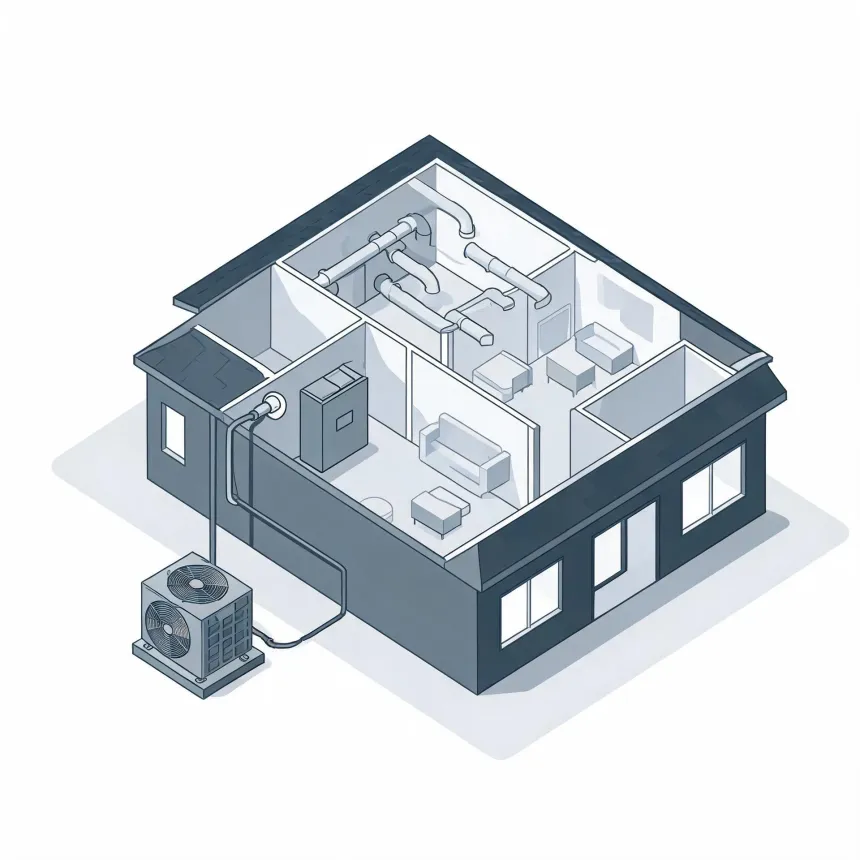
NOAA nClimDiv, 1991–2020 normals
Georgia requires HVAC contractors to hold a state license.
The State Construction Industry Licensing Board is the body that tested this contractor and keeps the record of that license. It is issued to the contractor, not to each job, so the same license covers this repair as covers any other heat pump or furnace work they take on in Douglas County.
Because this is a heat pump repair, the refrigerant side of the system is likely part of the job. Anyone opening that side, in Georgia or any other state, has to hold EPA Section 608 certification. That is a federal requirement separate from the state license, and it exists specifically for work on refrigerant.
Source: Georgia Secretary of State
- Why is my heat pump blowing cold air?
- In heating mode, a heat pump puts out air that feels cool next to your skin even when it's working right, because the air coming out is warm compared to outside but still cooler than your body. If the air is actually cold, not just cool, check that your thermostat is set to heat and not fan only. If it's set right and still blowing cold, the system may have lost refrigerant or the reversing valve that switches it between heating and cooling has failed. Either one calls for a licensed contractor to look at it.
- Why is there ice on my heat pump?
- Some frost on the outdoor unit in cold weather is normal, and your heat pump should clear it on its own by briefly reversing into cooling mode to melt it off. If the ice is thick, covers the whole coil, or never seems to go away, airflow is blocked somewhere, either by a dirty filter, a coil that needs cleaning, or a fan that isn't turning. Low refrigerant can cause the same heavy icing. Running it iced over can damage the compressor, so it's worth having a contractor check it before the next cold stretch, especially with winter lows here averaging 34°F.
- Why is my heat pump running but not cooling?
- If the outdoor unit and indoor blower are both running but the air isn't cool, the most common cause is refrigerant that has leaked out. It can also mean the compressor itself has failed, or the filter is so clogged that barely any air is moving past the coil. With afternoons here reaching 88°F in summer, it's worth having a contractor check it soon rather than let the house sit at a higher temperature.