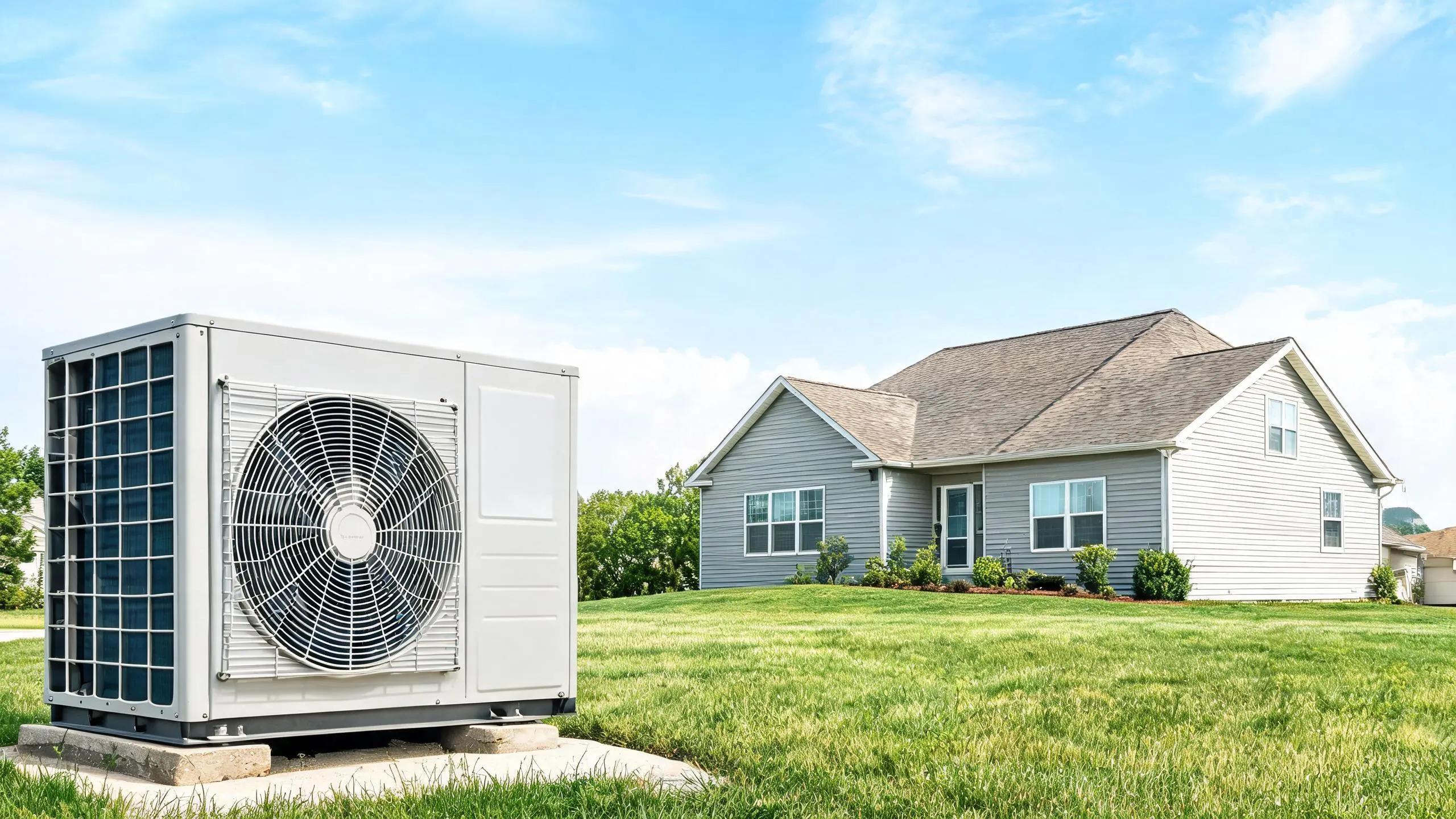
Heat Pump Repair in Carrollton, GA
Homes here need heat from October through April and cooling from May through September. If your system quits, tell us what it's doing and a licensed contractor who covers Carroll County will get in touch.
Tell us about the job
It takes about a minute.
Carrollton runs a heat pump almost year round
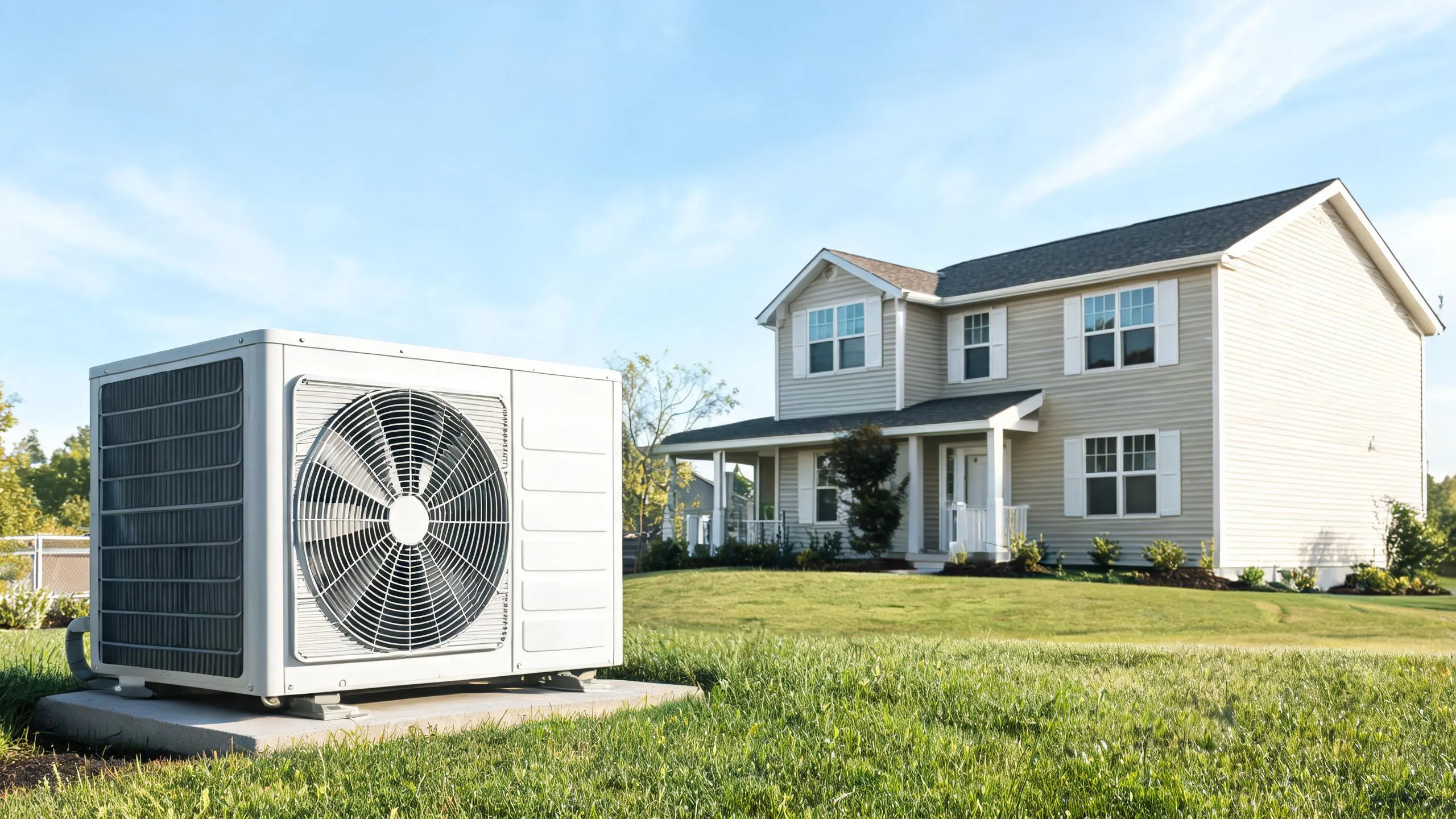
Your heat pump works twelve months a year here. Heat from October through April, cooling from May through September, with no real break in between. Winter nights average 34°F, mild enough that the system leans on the compressor and reversing valve instead of switching to backup heat, and summer afternoons average 88°F, pushing that same compressor hard from the other direction. That much runtime wears on the compressor and the reversing valve before it wears on anything else.
58% of homes here heat with electricity, and for many of them the heat pump is the only source of heat in the house. Carroll County has seen 87 damaging wind events over the past ten years, and statewide, 31% of households lost power for at least a day in 2024. A heat pump that loses power and comes back on wrong, or one already worn from running all year, tends to show it first as air that is not as warm or as cool as it should be, or a system that runs constantly without catching up.
- 7 months
- October through April, your system heats
- 5 months
- May through September, it cools
- 34°F
- the average winter night it heats against
- 88°F
- the average summer afternoon it cools against
NOAA nClimDiv, 1991–2020 normals
Georgia requires HVAC contractors to hold a state license.
Georgia's State Construction Industry Licensing Board tests contractors before it issues a license. The license belongs to the contractor, not to any single job, so the same license that covers a new installation also covers a repair like this one.
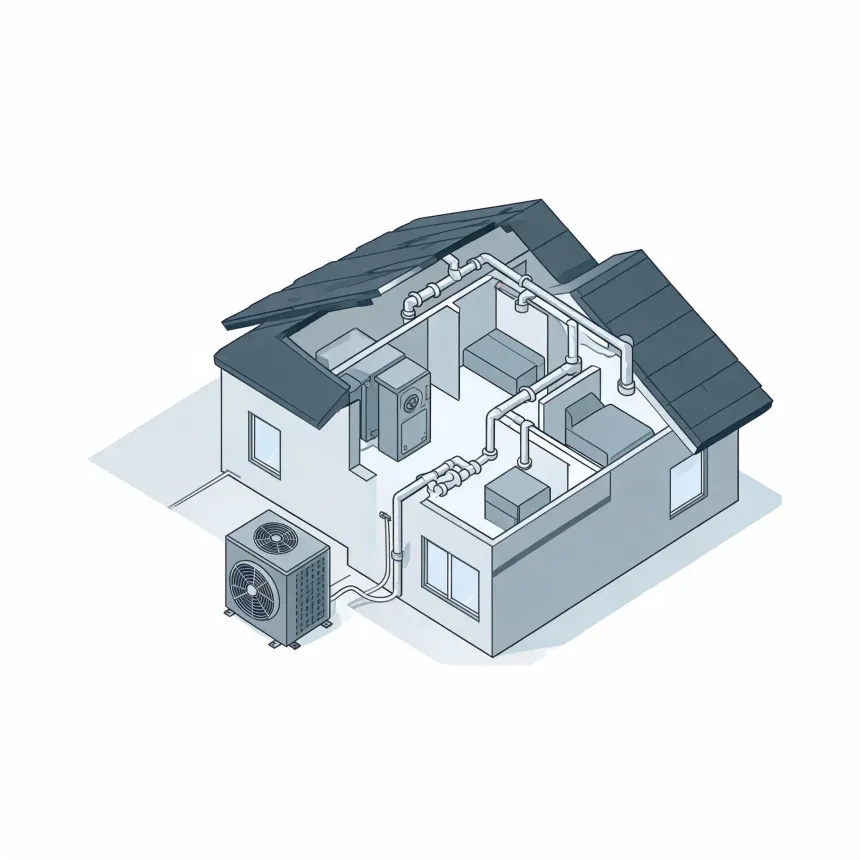
A heat pump repair means working on the refrigerant side of the system. Federal law covers that part in every state, and the technician has to hold EPA Section 608 certification to open those lines and handle the refrigerant. For this job, the contractor's state license and the technician's federal certification are both in place.
Source: Georgia Secretary of State
- Why is my heat pump blowing cold air?
- In winter, a heat pump moves heat from the outdoor air into your house, so the air coming out of the vents is warm compared to outside but still cooler than your skin. That can feel like cold air even when the system is working right. If the air actually feels cold, not just cool, check the thermostat is set to heat and not fan only. A dirty filter or a low refrigerant charge can also keep the coil from pulling in enough heat, and either one needs a contractor to check it.
- Why is there ice on my heat pump?
- Some frost on the outdoor unit in winter is normal. Your heat pump runs a defrost cycle on its own to melt it off, usually switching to a burner-like reverse mode for a few minutes every so often. If the ice is thick, covers the coil heavily, or never seems to clear, the defrost control, a sensor, or the reversing valve may not be working. With winter lows here averaging 34°F, this happens more in the coldest stretches of December through February, and it is worth having a contractor look at the unit rather than letting the ice build up.
- Why is my heat pump running but not cooling?
- If the outdoor unit and indoor fan are both running but the air is not cold, the system likely is not moving enough refrigerant or heat. A dirty outdoor coil, a failing compressor, or a refrigerant leak can all cause this. Check first that the outdoor unit is not blocked by leaves, dirt, or grass clippings, since summer afternoons here reach 88°F and the unit works hardest right when it needs to breathe. Refrigerant work has to be done by a technician with EPA Section 608 certification, so beyond clearing debris this is a job for a licensed contractor.