Heat Pump Installation in Douglasville, GA
A new system here will heat from November through April and cool from May through September every year. Tell us about the house, and a licensed contractor who covers Douglas County will get in touch.
Tell us about the job
It takes about a minute.
Eleven months of work for one system
A heat pump in Douglasville works most of the year. Winter nights average 34°F from December through February, and homes here need heat November through April. Summer afternoons average 88°F, and cooling runs May through September. Between the two seasons, the system is heating or cooling the house 11 months out of the year.
Any split-system heat pump installed new today has to meet 14.3 SEER2 for cooling and 7.5 HSPF2 for heating, the federal minimum since January 2023. With this much of the year riding on the equipment, sizing it to the house and getting the installation right matters as much as the rating on the label.
- 6 months
- November through April, your system heats
- 5 months
- May through September, it cools
- 34°F
- the average winter night it heats against
- 88°F
- the average summer afternoon it cools against
NOAA nClimDiv, 1991–2020 normals
Georgia requires HVAC contractors to hold a state license.
The State Construction Industry Licensing Board issues that license, and it covers the contractor rather than the individual job. That means the person or company doing the work has passed the state's exam and carries a license number tied to their name, not just a permission slip attached to this one installation.
For a heat pump install in Douglas County, that license is what stands behind the work, but the county still has its own role. Most cities and counties in Georgia require a permit before a furnace, air conditioner, heat pump or water heater is replaced, and an inspection once the work is finished. The license tells you the contractor was tested by the state. The permit and inspection are how the installation itself gets checked once it is in your home.
Source: Georgia Secretary of State
- Is a heat pump better than a furnace?
- It depends on what you're weighing. A heat pump handles both heating and cooling from one system, and it moves heat instead of burning fuel to make it, so it costs less to run in most cases. A gas furnace can push out hotter air on the coldest nights, but winter lows here only average around 34°F, so that edge matters less than it would somewhere colder. Just over half the homes in this area still heat with gas, and those furnaces are doing the job fine. A contractor can look at your ductwork and your current setup and tell you which makes more sense for your house.
- What's the difference between a heat pump and an air conditioner?
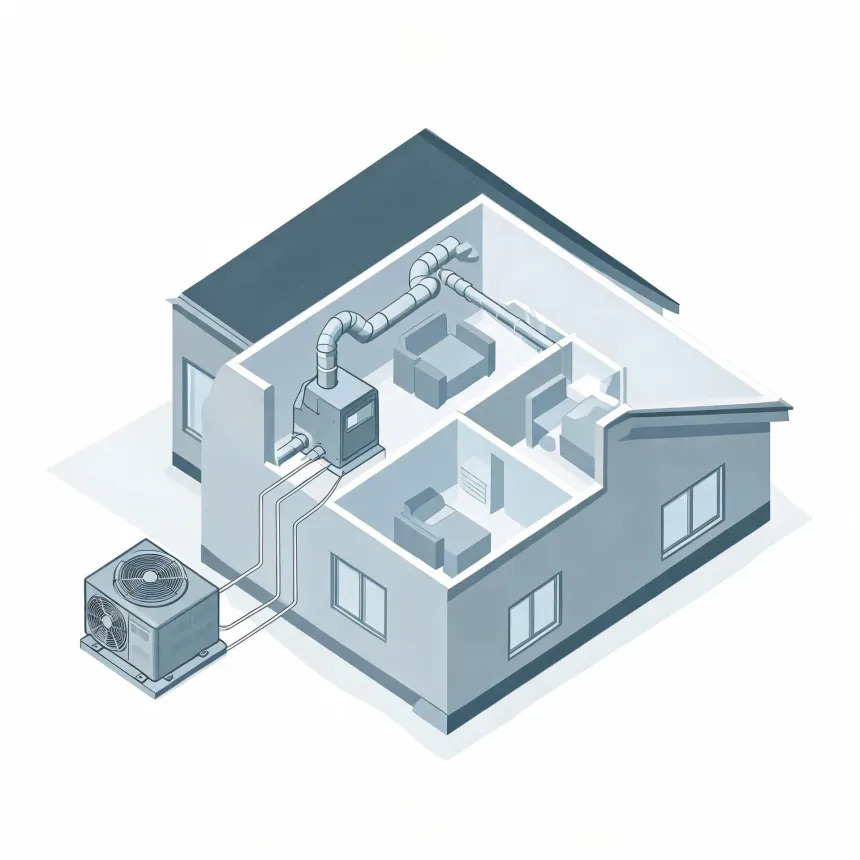
- An air conditioner only cools. A heat pump cools the same way in summer, using a compressor and refrigerant to pull heat out of your house, but it can also run in reverse. In winter it pulls heat from the outside air and moves it inside, so one system covers both jobs instead of just one.
- Does a heat pump work in cold weather?
- Yes, it keeps working, it just works harder as the air outside gets colder. Winter nights here average around 34°F, which is well within what a properly sized heat pump handles without strain. New units sold now have to meet a federal minimum of 7.5 HSPF2 for heating, so cold weather performance is built into the equipment itself. A contractor can size the system to your home so it keeps up on the coldest nights you actually get here.