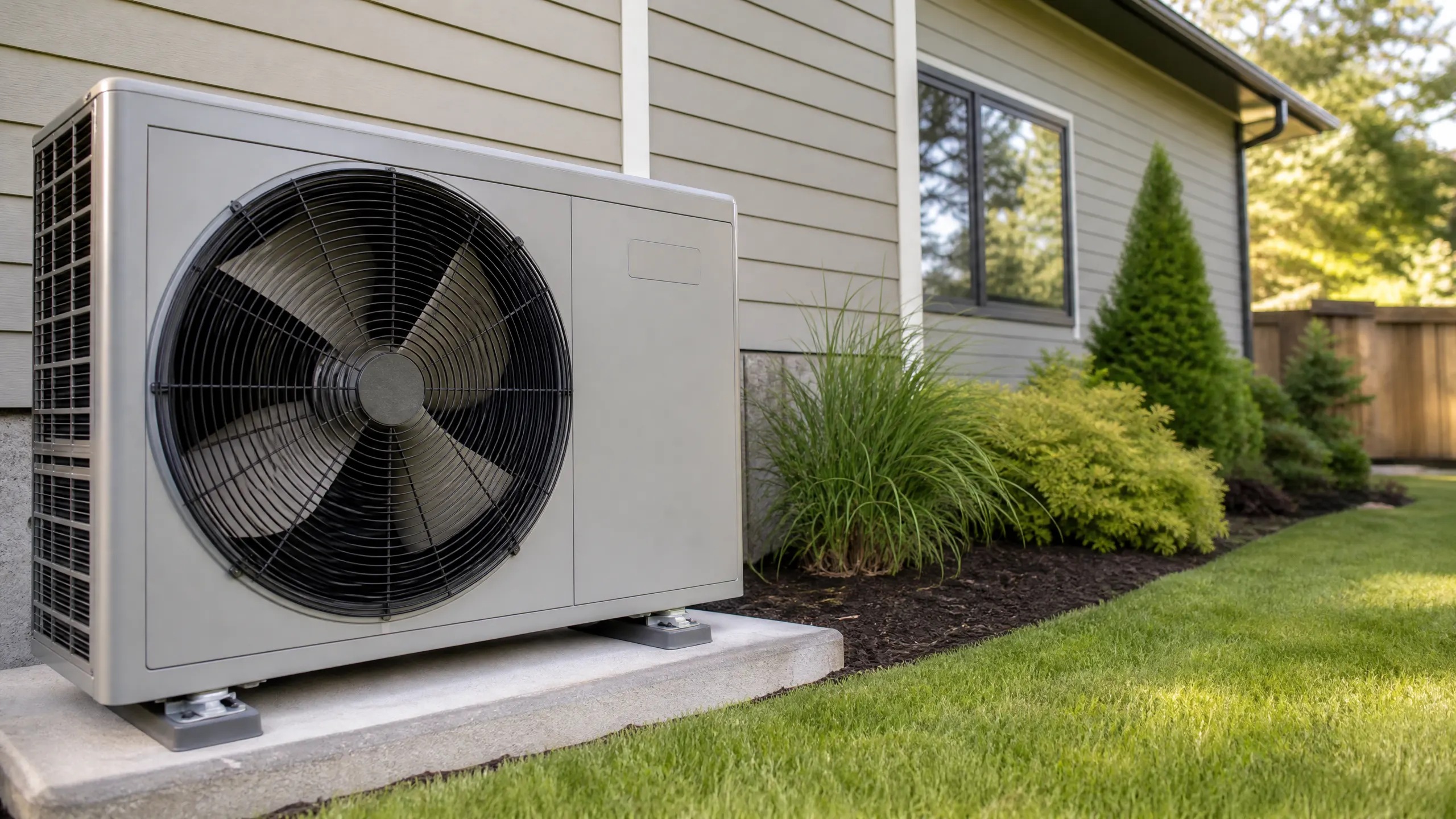
Heat Pump Installation in Carrollton, GA
A new system here will heat from October through April and cool from May through September every year. Tell us about the house, and a licensed contractor who covers Carroll County will get in touch.
Tell us about the job
It takes about a minute.
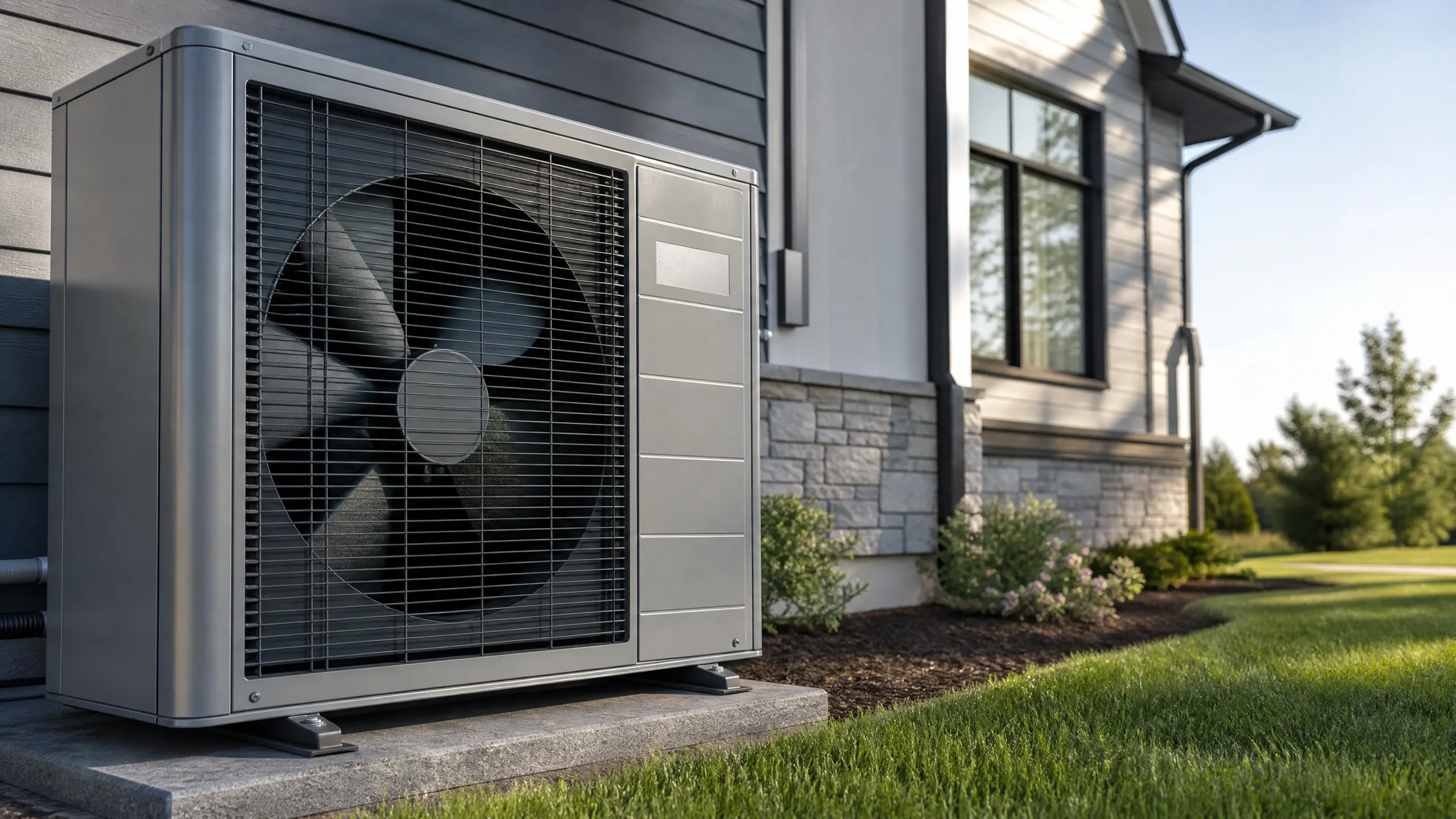
What a heat pump in Carrollton has to work with
Your heat pump runs all year here. It carries the house through winter nights that average 34°F from December through February, then switches over and carries it through summer afternoons near 88°F. Seven months of heat, five months of cooling, and no real break between them.
If it was manufactured this year or later, it has to meet 14.3 SEER2 for cooling and 7.5 HSPF2 for heating. Those are federal minimums, not a ceiling, but any unit going in now has to clear them. Worth knowing too that Carroll County sees its share of damaging wind, 87 events over the last ten years, and with most homes here heating on electricity, a heat pump that keeps running when the power is unstable matters more than it would somewhere else.
- 7 months
- October through April, your system heats
- 5 months
- May through September, it cools
- 34°F
- the average winter night it heats against
- 88°F
- the average summer afternoon it cools against
NOAA nClimDiv, 1991–2020 normals
Georgia requires HVAC contractors to hold a state license.
The license sits with the contractor, not the job. Georgia's State Construction Industry Licensing Board tested that contractor and keeps a record of them before they ever touch your heat pump, and that record follows them from one job to the next rather than resetting each time.
For this installation, the license tells you the contractor was vetted. The permit is what covers the work itself. In most cities and counties in Georgia, installing a heat pump needs a permit from the local building office, and the job gets inspected once it's done. That inspection is what checks the refrigerant lines, the electrical connections, and the way the unit is set, separately from whatever the license already says about the person doing it.
Source: Georgia Secretary of State
- Is a heat pump better than a furnace?
- It depends on what you're comparing it to and what you value. A heat pump moves heat instead of burning fuel to make it, so it can provide both heating and cooling from one system, which a furnace alone cannot do. Winter nights around Carrollton average 34°F, well within the range where a modern heat pump keeps working. Some homeowners pair a heat pump with a furnace or backup heat strips for the coldest nights, and a contractor can walk through which setup fits your house.
- What's the difference between a heat pump and an air conditioner?
- An air conditioner only cools. A heat pump does the same job in summer, but it can also run in reverse and pull heat from outside air to warm your home in winter. The outdoor units look similar and both use refrigerant to move heat, but the heat pump has a reversing valve that lets it switch directions. That's what lets one system cover both your summer cooling and your October through April heating.
- Does a heat pump work in cold weather?
- Yes, a heat pump pulls heat from outside air even when it's cold, since air still holds usable heat well below freezing. Its output drops as the temperature drops, so it works hardest on the coldest nights. Around Carrollton, winter lows average 34°F, which is mild enough that a properly sized heat pump handles most of the season on its own. Some systems add electric backup heat for the rare night that dips further, and a contractor can size the system and backup around what your home needs.