Georgia HVAC Service

Birds nesting in a dryer vent in Georgia

Send the request and finding a pro stops being your problem.

Duct and vent cleaningGeorgia
Step 1 of 3

What kind of equipment?

A bird in your dryer vent usually means a nest built behind the flap, most often from a house sparrow or wren looking for a tight, sheltered spot during spring and early summer. The flap on the outside hood opens a crack when warm air pushes through, and a bird can wedge it open further and carry in twigs and lint. Once that nest sits in the duct, your dryer still pushes air out, but it has to push against blocked space, so drying runs take longer and the motor works harder. In Georgia's humidity, wet lint and nest material sitting in a warm vent can grow mold and give off a sour smell. There's also a fire risk, since lint is the easiest thing in your house to ignite and a packed vent holds heat against it. The fix isn't just pulling the nest out. The duct needs to be cleared end to end and the vent hood checked so it closes properly again.

A smiling bearded man in a dark green hooded jacket and blue t-shirt sits on a couch in a living room with shelves, a potted plant, and a bowl of popcorn on a wooden table.
A smiling man in a green long-sleeved shirt sits on a beige sofa in a living room, with a bowl of popcorn in the foreground, a large potted plant and shelving behind him.
A smiling man in a dark blue T-shirt sits on a couch in a dimly lit living room with a bowl of popcorn and a remote on a wooden table, a lit floor lamp and bookshelves behind him, and windows showing greenery.
A smiling bearded man in a dark green long-sleeved shirt sits on a leather couch in a living room, with a bowl of popcorn and a remote control on a wooden table in the foreground.
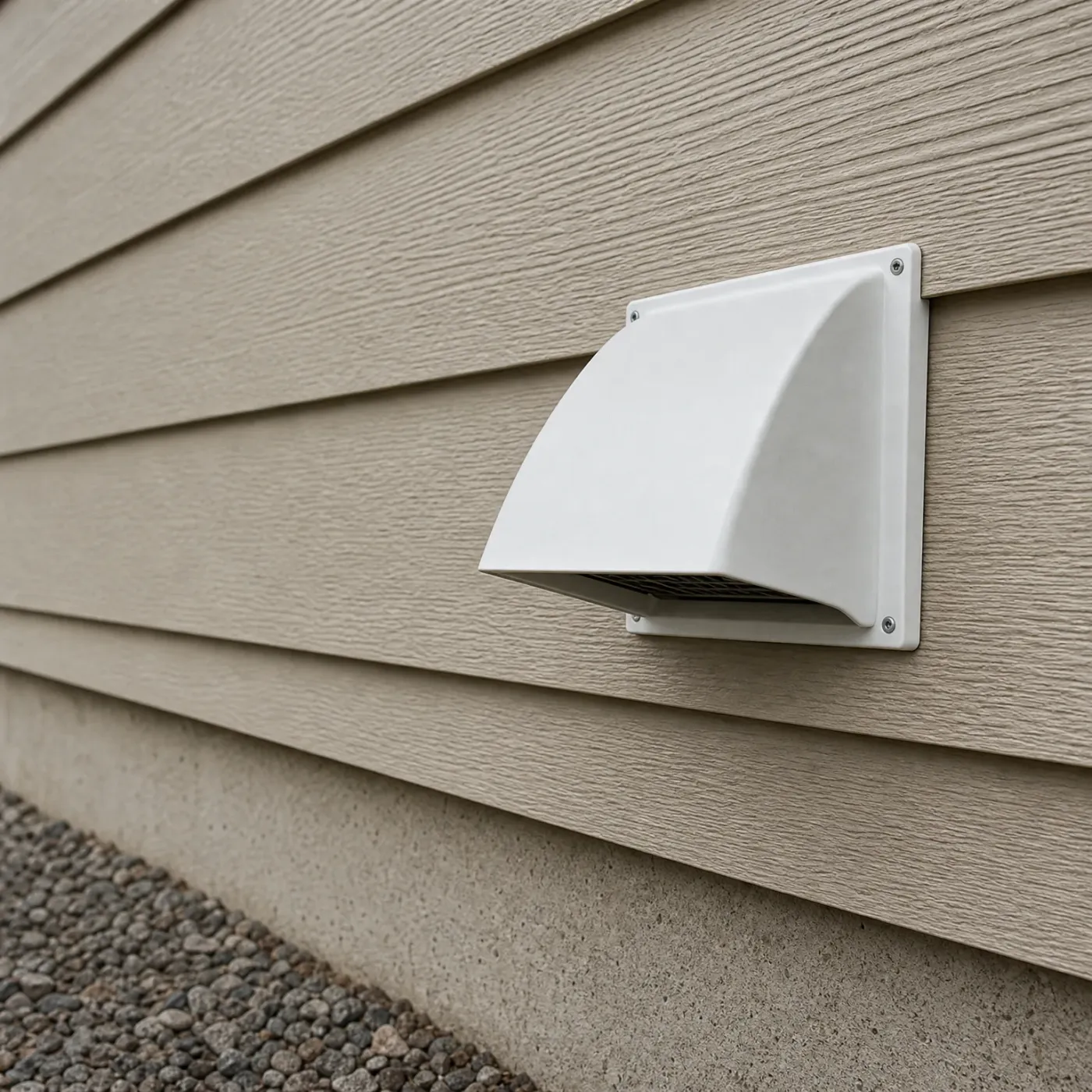
A white hooded dryer vent with a square screwed-on flange mounted on gray horizontal lap siding, above a concrete foundation wall edged with gravel stones.
The flap sits closed against the hood, free to swing open the moment the dryer kicks on and push air straight outside.
A lint-clogged hooded dryer vent mounted on light gray horizontal lap siding above a concrete foundation wall.
Lint has packed the hood solid and the flap hangs open, which is exactly the gap a bird looks for.
  1. A sparrow or wren slips past the loose flap and starts building.

  2. Twigs and grass pile up behind the hood until the vent narrows.

  3. The dryer keeps pushing heat and moisture into a half-blocked pipe.

  4. Lint catches in the nest material and collects faster than normal.

Why won't the bird just leave on its own?

You'd think the bird would just fly back out the way it got in, especially once the dryer starts running and the vent gets loud and hot. But the nest is still there the next time you check, and you're wondering what's actually keeping it in place.

A nest is built to stay, not to be walked away from

A sparrow or wren doesn't build a nest to pass through once. It picks that spot behind the flap because it's tight and sheltered, and once eggs or chicks are in there, the bird keeps coming back no matter how many times the dryer runs. The heat and noise don't drive it off because the nest is the point, not a detour. Meanwhile the twigs and grass packed into the vent don't move on their own either. They stay wedged against the hood, narrowing the pipe further every time more material gets added. The only way the vent clears is if the nest is physically removed, which means pulling the hood off or reaching the blockage from inside the duct.

A white hooded louvered vent mounted on beige horizontal lap siding above a stucco foundation wall bordered by river rock gravel.

Vent clear and working

The hood sits flush against the siding and the flap hangs loose, ready to swing open. Air moves straight out every time the dryer runs. Nothing nests here because there's no still, dark pocket behind the flap for a bird to use, and no lint built up to hold a nest together.

A white plastic hooded dryer vent with a lint-covered screened opening mounted on beige horizontal vinyl siding above a concrete foundation.

Vent blocked and nested

The screen behind this hood is caked with lint, and the flap no longer sits flush. That gap is enough for a sparrow or wren to get behind it and start building. Once lint catches in the twigs, the opening narrows further, and the dryer is pushing heat into a pipe that can't clear itself.

Clear It Yourself Or Call A Pro

Clear it yourself

  • You can pull the outside hood off and reach in with a gloved hand if the nest is close enough to grab.
  • Spring and early summer is when you'll find eggs or chicks inside, and removing a nest with live birds in it can be against state and federal law.
  • A shop vac reaches a foot or two into the pipe, but twigs and packed grass further back usually stay put.
  • Without a brush sized to the duct, you can't tell if lint behind the nest has packed the rest of the run.
  • The dryer keeps venting into a blocked pipe while you work, which pushes moist heat back into the room instead of outside.

Have it cleaned

  • A tech who works on vents all season knows the difference between a fresh nest and old lint buildup, and checks for both.
  • The hood comes off, the full duct run gets brushed out, and the flap gets checked to see it swings shut on its own again.
  • A local, licensed contractor handles the job himself, so you're not fielding calls from three different companies after one form.
  • Clearing the nest now, before chicks hatch, avoids the legal problem of disturbing an active one later in the season.
  • Once the duct is open end to end, the dryer vents properly again and the hot, damp air stops building up inside.
A woman in a cream knit sweater reclines on a beige couch with eyes closed and a slight smile, a gray hardcover book resting open on a textured blanket over her lap, with a lit table lamp and a leafy plant in the dim background.
A smiling middle-aged man in a dark green sweater sits at a candlelit table with a glass of red wine and a bowl of salad in the foreground.
A white hooded exterior vent cover with a screened opening mounted on beige lap siding above a concrete foundation and gravel strip.

Send one request and you're done looking

The pro who reaches out is licensed in Georgia.

After this form, you can stop searching for a dryer vent pro.

Send my request

Sending the form costs nothing.

What are you noticing with your own dryer right now

Clothes that used to dry in one cycle now need two. The dryer runs hotter than it should, and the room around it feels warmer than usual. You might hear a scratching or chirping sound from the vent, especially in the morning. Step outside and look at the hood. If the flap stays propped open on its own, or you see grass and twigs poking out from underneath it, that's your answer. A blocked vent keeps heat and moisture from leaving the house the way it's supposed to, and that moisture has to go somewhere. Left long enough, it's a dryer working harder than it should and a vent that isn't doing its one job.

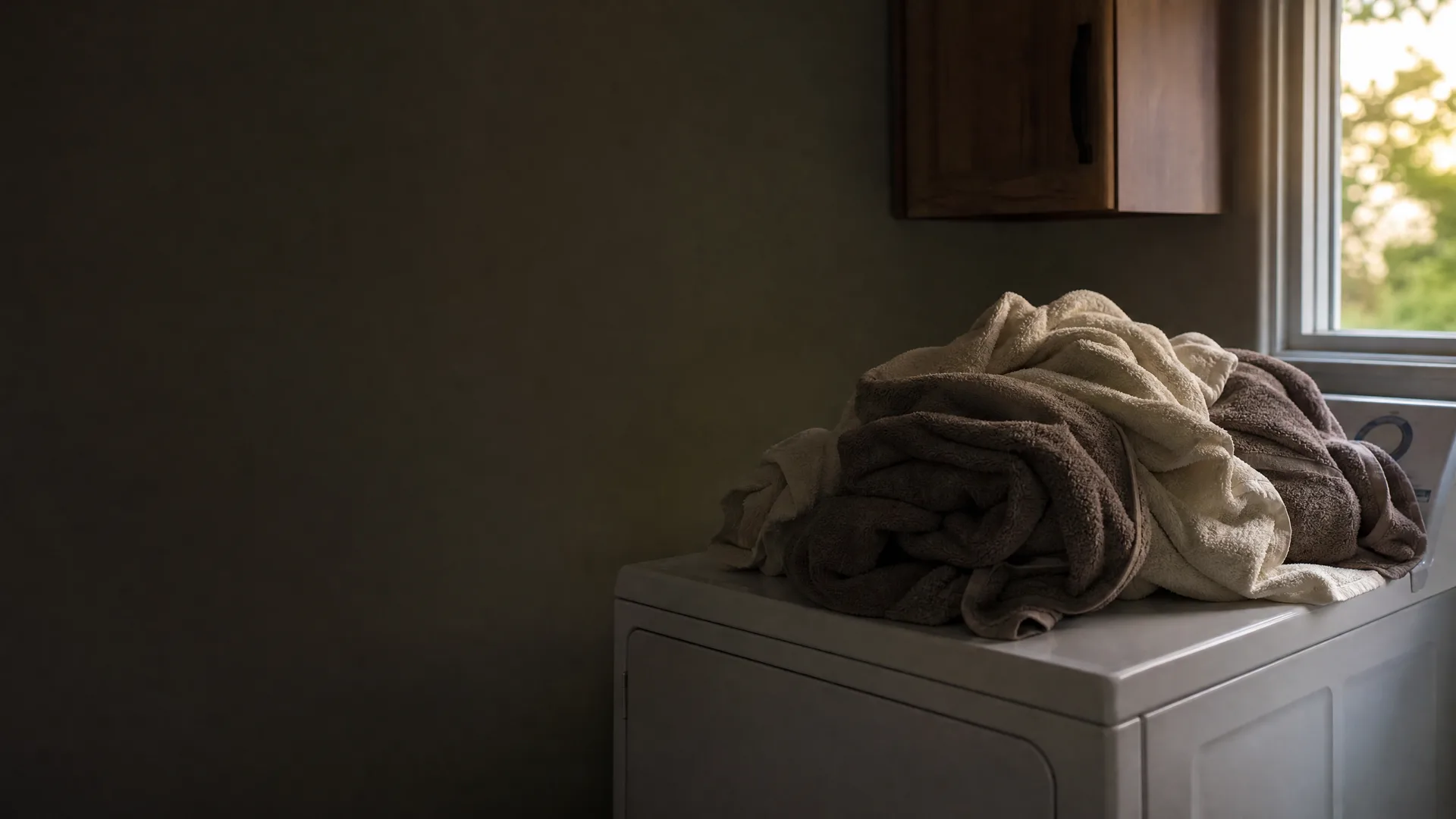
A pile of brown and cream towels sits on top of a white dryer in a dim room, with a wooden wall cabinet and a bright window at right.

It's almost nine and you're still in the laundry room. Georgia summer has the air heavy even with the AC running, and this load has been through twice already. You pull the door open expecting warm, dry towels and get the same damp heap you started with, heavier now and smelling faintly scorched at the edges. The dryer ticks as it cools behind you. You press a palm to the top panel and it's hot, hotter than it should be after two full cycles. Somewhere behind the wall, past the vent line, you catch that scratching again, quick and small, then gone. You leave the towels piled on the lid and go find your phone instead.

Power costs 14.74 cents per kilowatt-hour statewide

At 14.74 cents per kilowatt-hour, running a dryer twice to get one load finished isn't free. A nest blocking the vent makes the dryer work harder and longer every time you use it, and that shows up on your bill before you ever spot the twigs.

EIA-861 2025 statewide residential average

Clearing the Vent for Good

  • A nest behind the flap blocks airflow, and clearing the vent is what fixes the long dry times and the heat in the laundry room.
  • A contractor licensed in Georgia can remove the nest and check whether state or federal rules apply before anything gets disturbed.
  • Someone who works on vents all spring knows which birds nest where you are and how far back the material usually goes.
  • One contractor takes the job, so you're not fielding calls from three different companies while you're trying to get a load of laundry done.
  • Once the vent runs clear again, the dryer goes back to one cycle instead of two and the room stops running hot.
  • A local contractor has likely pulled nests out of hoods like yours before and knows what's usually built up behind that flap by early summer.

The problem is a nest behind the flap, and the fix is getting it out along with whatever lint and twigs packed in around it. Once that pipe is clear, the dryer stops working double time and the laundry room stops running hot. That's the whole answer.

Getting there means someone who knows what they're dealing with. Spring and early summer in Georgia, a contractor who handles vent cleaning sees this same setup over and over, sparrows and wrens picking the same kind of gap behind the same kind of hood. They know how far back the material usually goes before they even pull the cover off, and they know whether what's inside needs to be checked against state or federal rules before it's touched. That's not guesswork on their part. It's the fifth or sixth time this season they've opened up a vent and found exactly this.

You're also not handing this job to a crowd. One licensed contractor takes it on, which means one visit, one person who knows what they found and what they did about it, not three different companies calling to schedule around each other while you're still waiting on dry towels. That matters when the thing you want is the vent working again, not a week of phone tag.

Clothes drying in one cycle, a laundry room that doesn't feel like a sauna, a vent with nothing living in it. That's where this ends once it's handled.

A lit ceramic table lamp with a linen shade sits on a round wooden side table with a small vase of greenery and a dark shallow bowl, beside a beige upholstered sofa with a cushion and knit throw, below a framed artwork on a pale wall.
Corner of a beige linen sofa with a large woven cushion and a fringed knit throw, beside a potted leafy tree in a woven basket against a neutral wall.
Sunlit interior corner with a wood-framed armchair with beige cushions and a striped pillow, a leafy plant in a tall ceramic pot, a window with wood sill showing green foliage outside, and dark wood flooring.
A lit black path light beside a stone walkway leading to a dark front door of a white clapboard house, with shrubs and flowering plants in the bed at dusk.
A covered porch at dusk with a wooden front door, a lit lantern wall sconce on gray horizontal siding, a black rocking chair with a cream throw, a potted white flowering plant, a coir doormat, and a window showing a lit interior lamp.

Finding a pro stops being your job

Only one pro gets your request, so you hear from one company.

Get a licensed local pro

You're not committing to anything by asking.