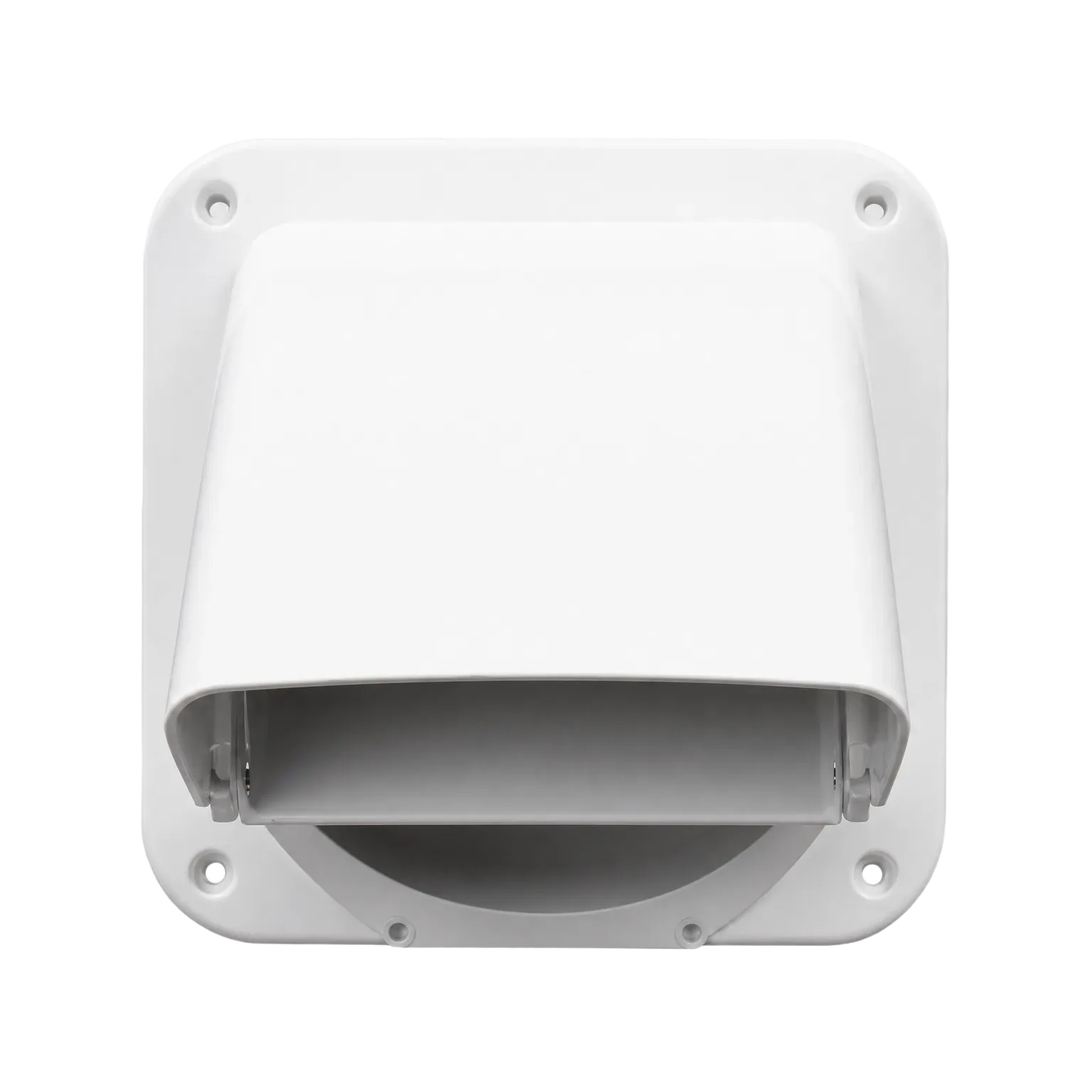
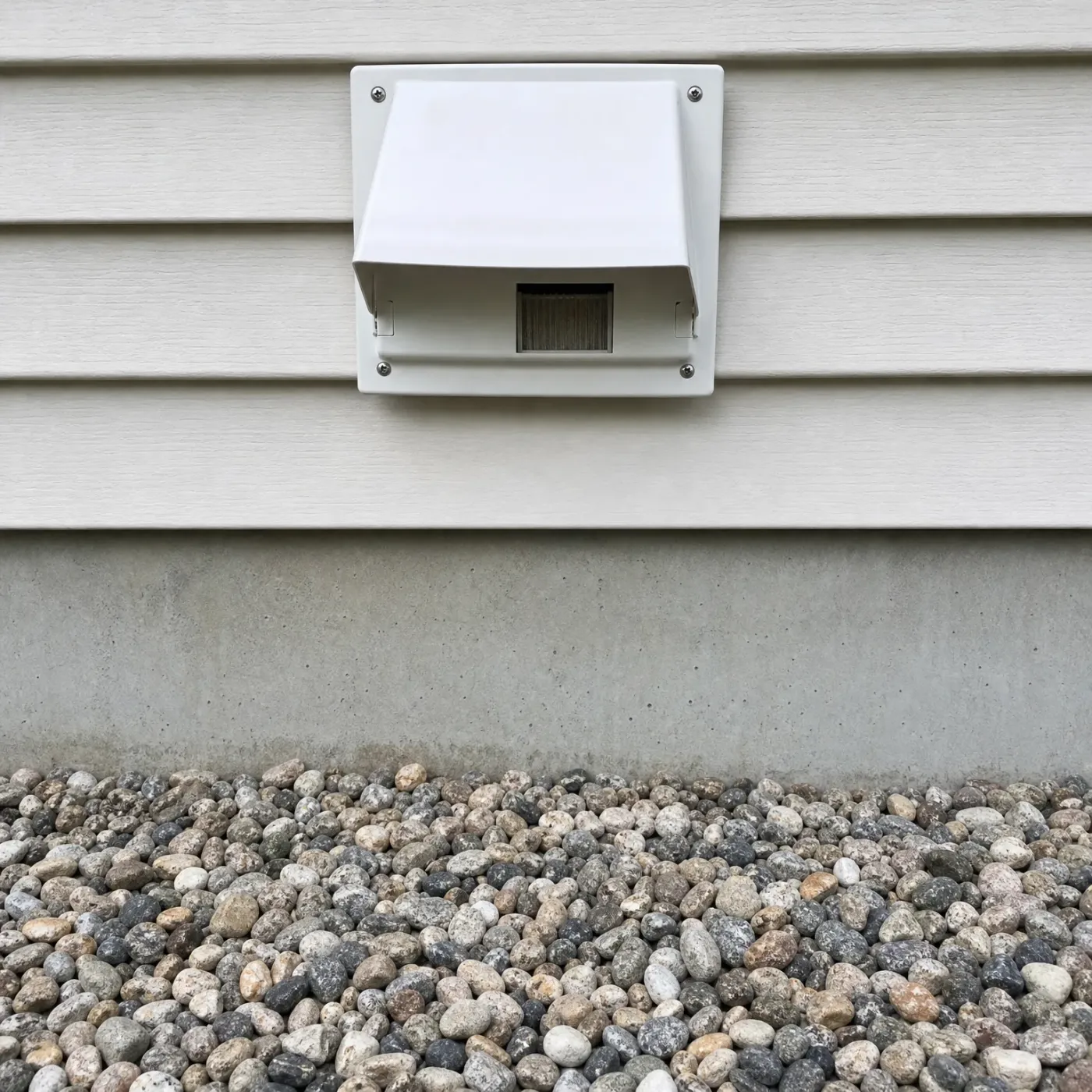
The vent cap doing its job
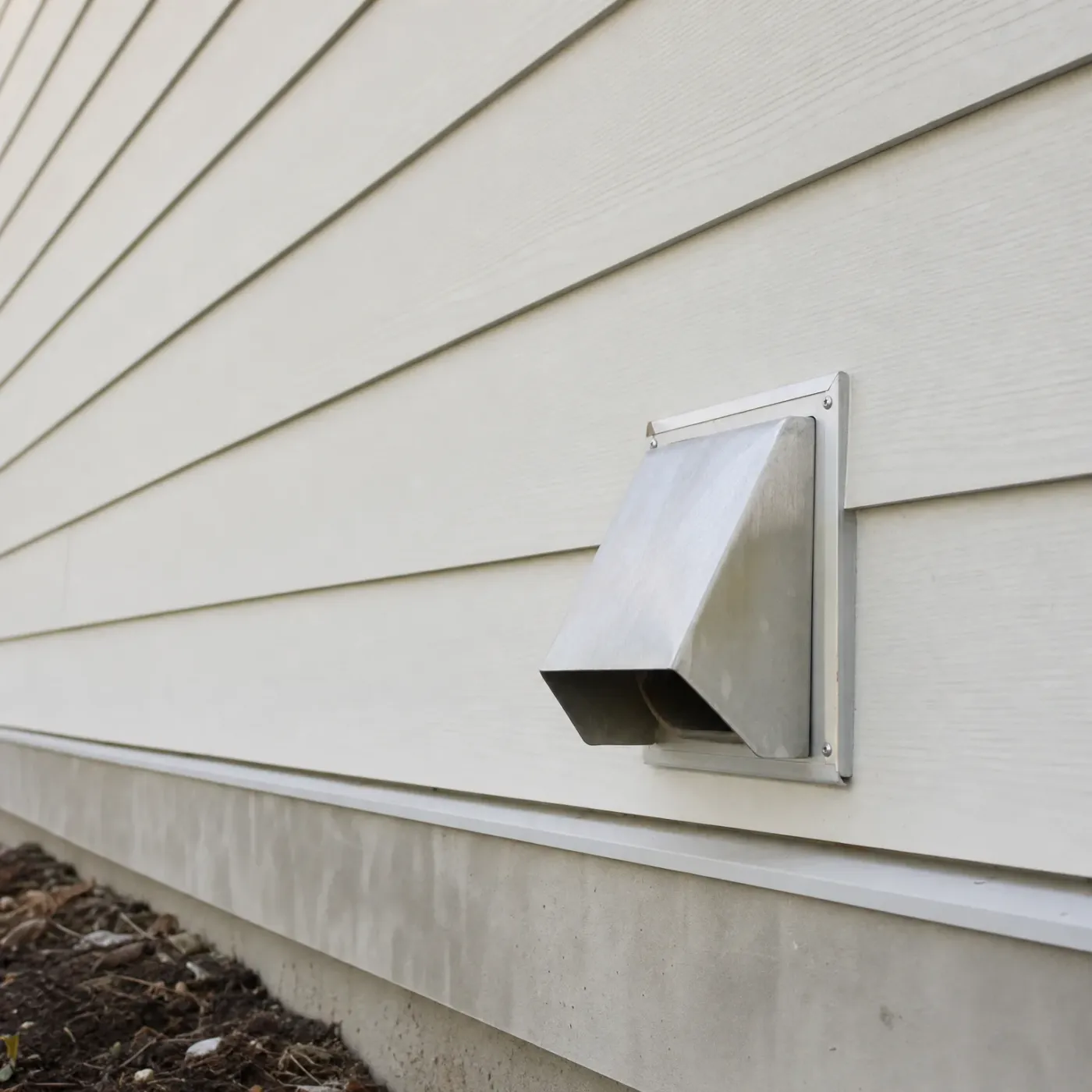
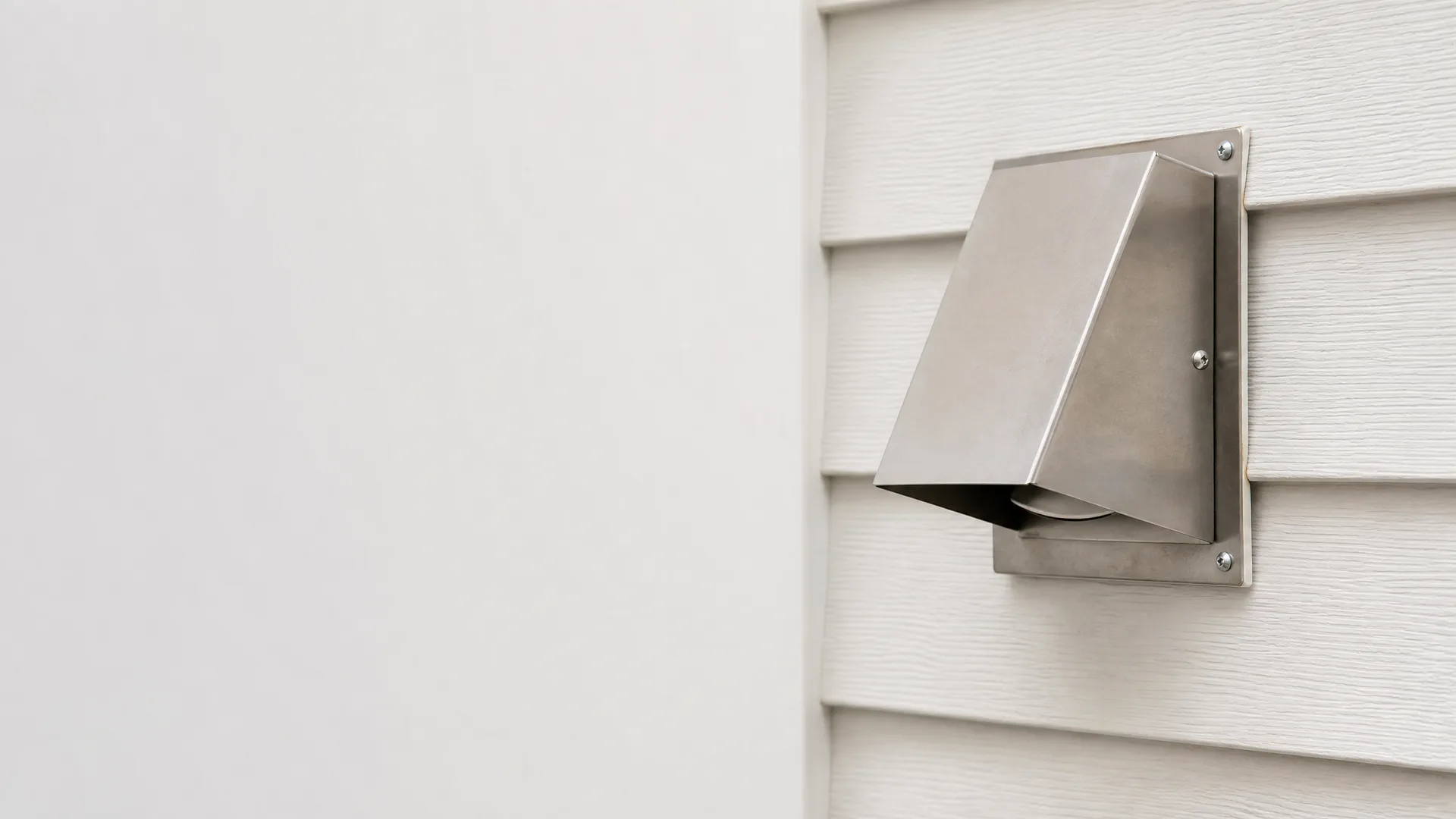
The flap sits closed against the hood when the dryer is off. Run a load and it swings open just enough to let air out, then falls shut again. Nothing nests here because there's nothing to grip and no gap to squeeze into.
You went outside to check the dryer vent and heard chirping, or you noticed the flap won't close all the way anymore. Maybe your clothes are taking longer to dry than they used to. In Savannah and around Chatham County, this happens often enough that it has a simple explanation, and it usually means a bird has already built a nest inside the duct.
Dryer vents are an easy target because they lead to a dark, sheltered tube that stays warmer than the outside air every time the dryer runs. If the flap on the vent hood is bent, stuck open, or missing its spring, a bird can push through in minutes. Carolina wrens and house sparrows are common nest builders in vents around this area, and they will pack in twigs, leaves and grass right at the opening or further back in the duct. Once that happens, lint has nowhere to go. It backs up against the nest, the dryer runs hotter and longer, and the blockage raises the risk of a dryer fire. A vent that's nested in needs to be cleared and the hood checked before the dryer runs again.
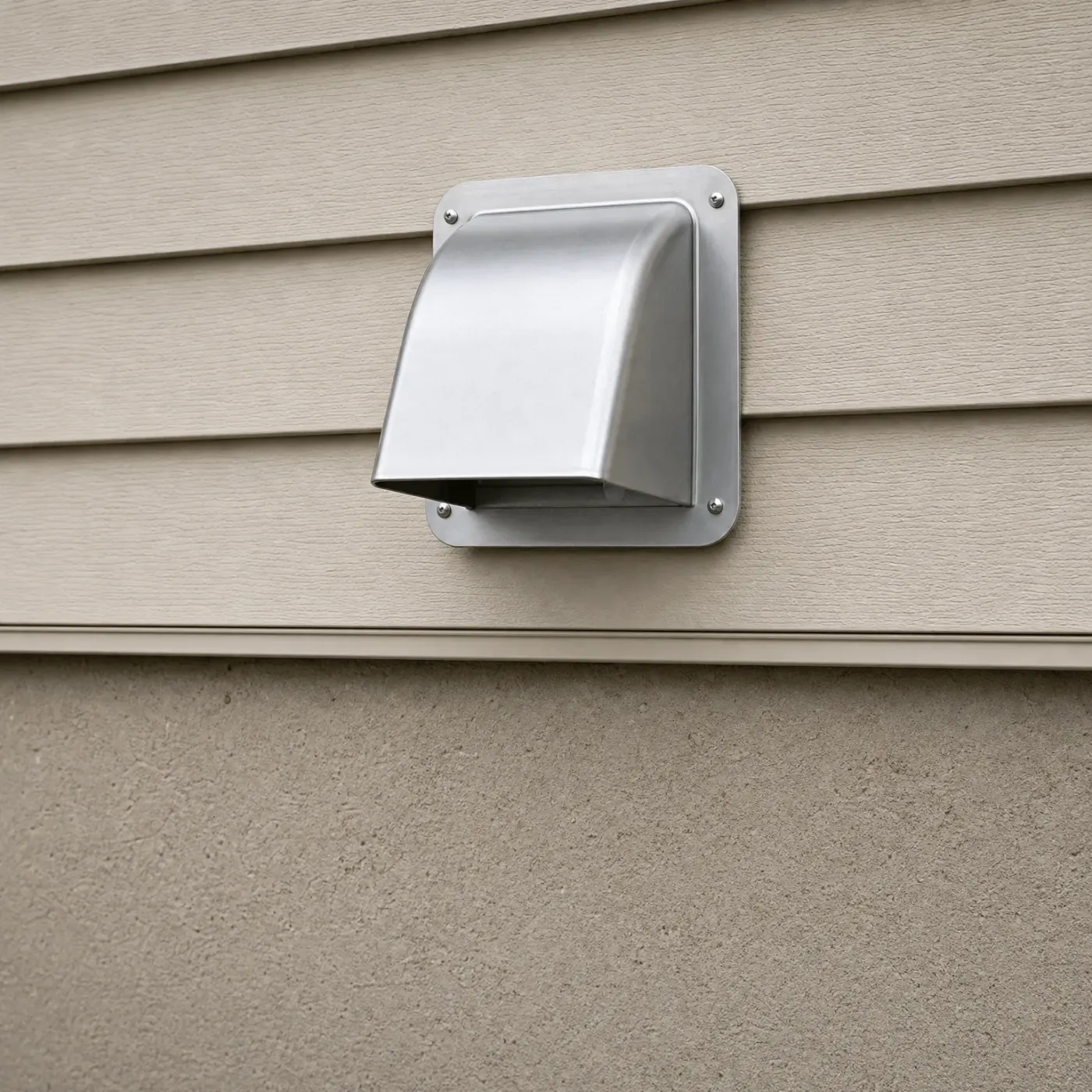
The flap sits closed against the hood when the dryer is off. Run a load and it swings open just enough to let air out, then falls shut again. Nothing nests here because there's nothing to grip and no gap to squeeze into.
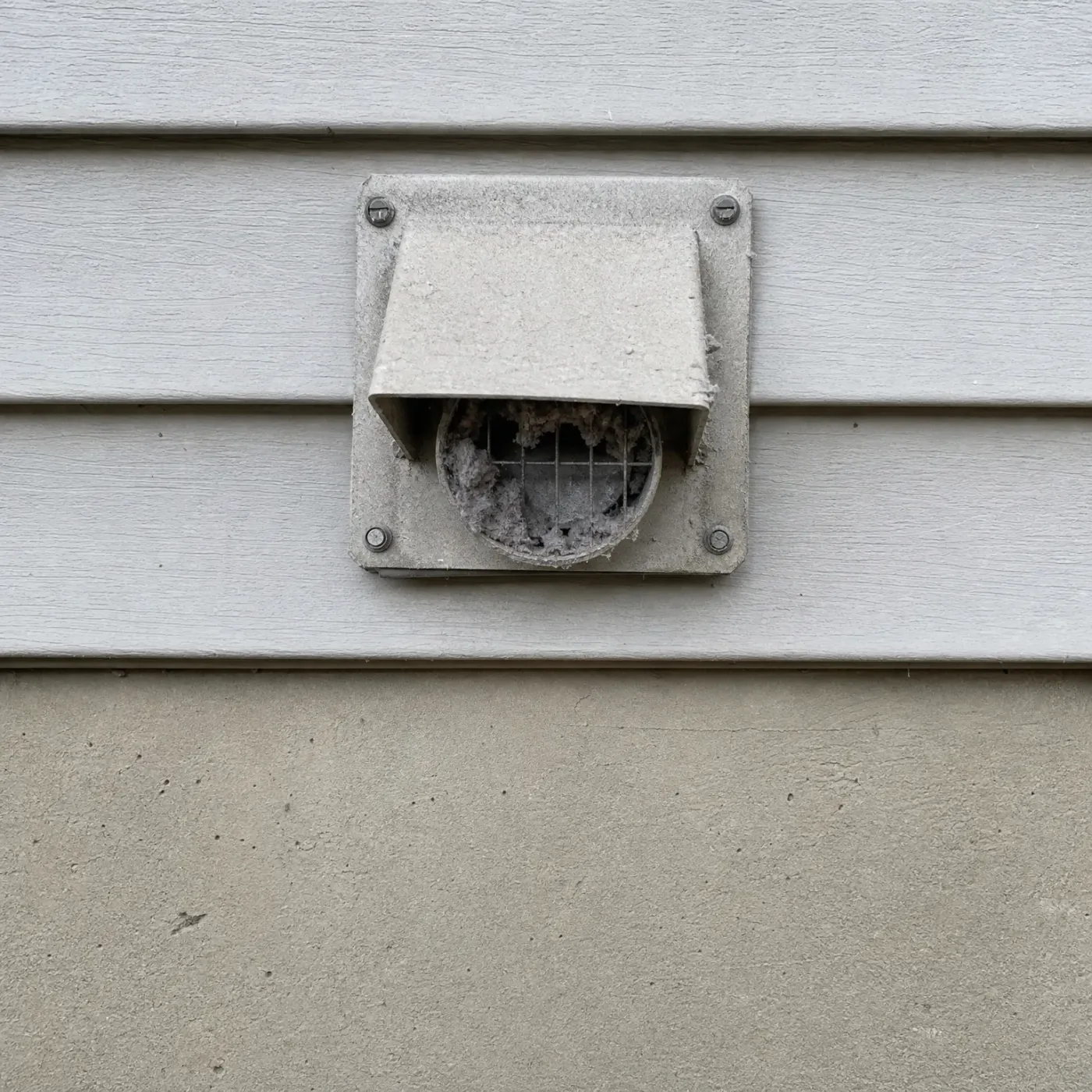
Twigs and grass poke through the mesh, and lint has packed in around them until the opening is nearly sealed. Air from the dryer has nowhere to go, so it backs up into the duct instead of outside.
2.4 people per household on average
With 2.40 people in the average Chatham County household, that dryer is running most days of the week, and every load pushes warm, lint-heavy air out through the same hood birds have already found.
Half the homes here were built by 1986
Half the homes in Chatham County were built in 1986 or earlier, and older vent hoods are more likely to have a bent or missing flap, which is exactly the kind of gap a bird can get through.
Power here costs 16.10 cents per kilowatt-hour
Power here runs 16.10 cents per kilowatt-hour, and a vent packed with a nest makes the dryer run longer to dry the same load, so the blockage shows up on the bill as well as the chirping.
ACS 2020-2024 · EIA-861 2025
A dryer vent is only four inches wide. A bird builds a nest by bringing in twigs and grass a few pieces at a time until the duct is packed solid. It doesn't take much before the path is blocked enough that hot air has nowhere to go. That air carries the moisture out of every load, so once it's trapped, clothes stay damp no matter how long the cycle runs. The lint already sitting in the duct is dry and sits right next to that same hot air, which is why a blocked vent is treated as a fire risk and not just a drying problem.
Birds look for a sheltered spot to build in when they're nesting, and a dryer hood that's gone quiet for a few days looks like any other cavity to them. Chatham County's mild winters mean some homes run the dryer less in the cooler months, which gives birds a longer stretch to move in undisturbed before the vent gets used again. Once the weather warms and the dryer runs more, that's often when the nest gets discovered, either by the chirping or by a load that won't dry.
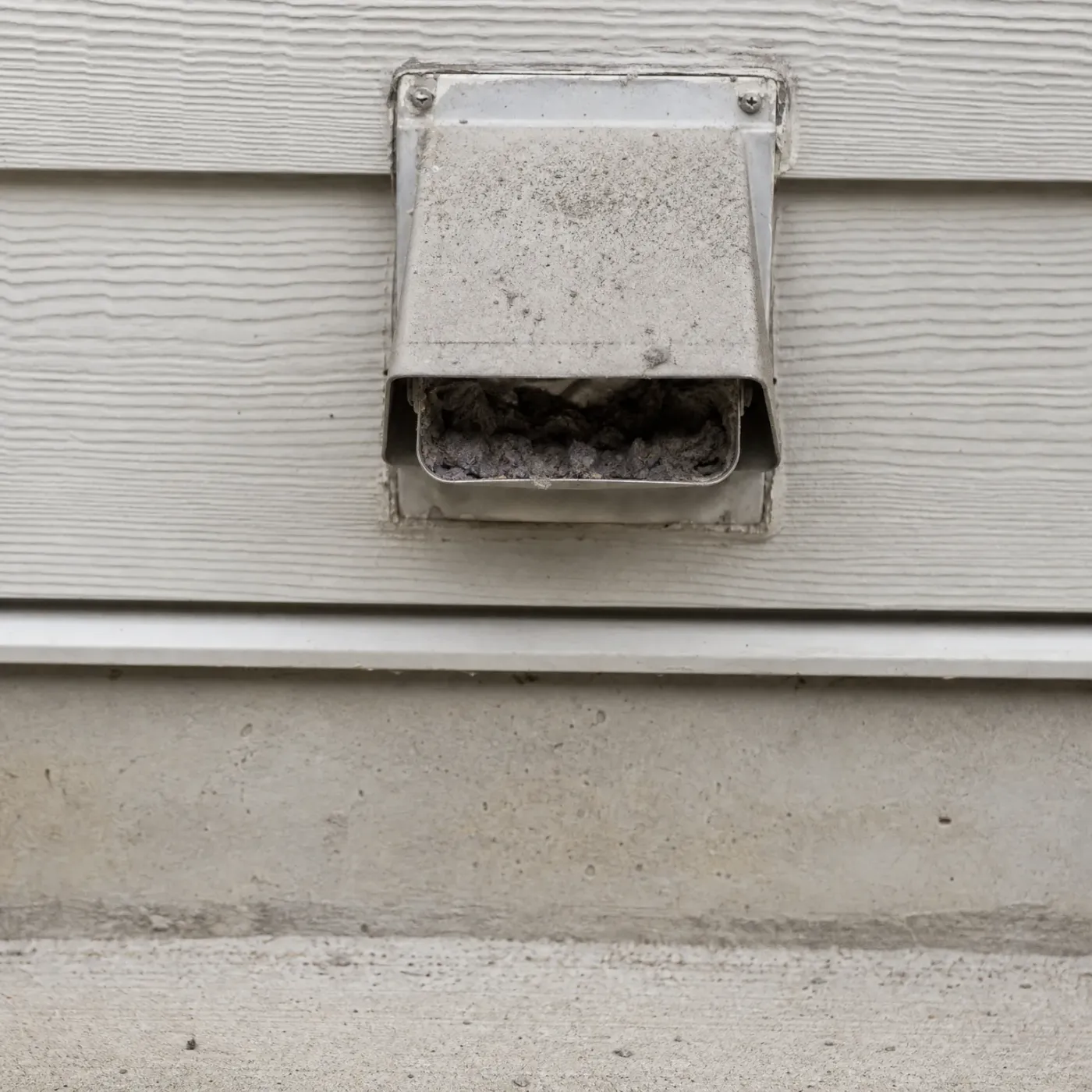
A bird doesn't fill the vent in one trip. It brings twigs and grass a few pieces at a time, so the duct still lets some air through while the nest is being built. That's why the dryer can seem to work fine for a few days before it suddenly doesn't. Once the nest is in place, the real problem starts. Lint from every load drifts down the duct and catches on the sticks and grass the same way it catches on the lint screen, except there's no screen to pull it out down there. The buildup packs in tighter with each cycle. Warm air that can't escape has to go somewhere, so it backs up into the drum, and the dryer runs hotter than it should. Birds pick dryer vents over a plain length of pipe outside because the warm air pushed out during a cycle makes the spot feel like shelter already built for them. If eggs get laid before anyone notices, a contractor can't just clear the nest out. Most native birds are protected, so the vent has to wait until the birds have raised their young and moved on before it can be cleaned. In the meantime, the nesting material sits in the duct holding moisture against the metal, and that damp environment is exactly what mold needs to start growing inside the vent.




The pro who gets in touch is licensed in Georgia and works in Chatham County.
One request and the dryer vent cleaning stops waiting on you.
It costs nothing to send, and you don't have to hire anyone.

Heat has to go somewhere. With a nest packed into the duct, that heat backs up into the drum, and the dryer runs longer to finish the same load. You'll notice the outside of the dryer warmer than usual, or the laundry room holding heat it didn't used to. Keep running loads against a full blockage and the heating element or the thermal fuse is doing more work than it was built for, on every cycle, for as long as the nest sits there.
Power in Chatham County isn't cheap, and a dryer fighting a blocked vent pulls current the whole time it's heating, not just a few extra minutes. A load that should take forty minutes stretching to an hour or more adds up across a week of laundry for your household. You end up paying for the nest twice: once in the extra time the dryer runs, and again in whatever it takes to keep a motor and heating element running against that much resistance.
At 2.4 people, most Chatham County households run a load of laundry close to daily, not once a week. That's a lot of chances for warm air to hit a blocked vent before anyone notices the dryer running long or the nest already built.
ACS 2020-2024
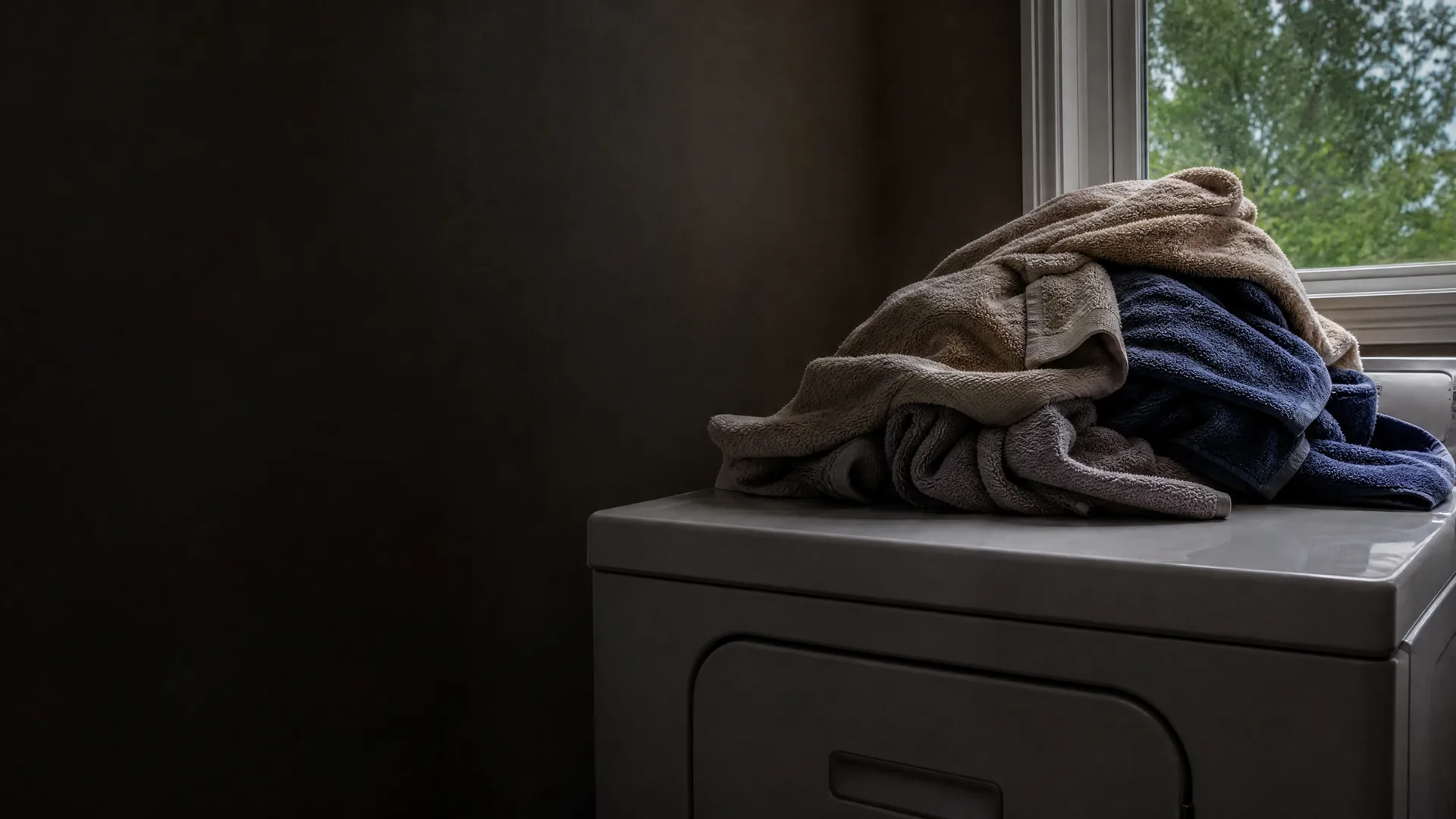
It's a little past seven and you're still in your work clothes, pulling a load out of the dryer before you start dinner. The towels on top are still damp, the kind of damp that means they went through a full cycle and didn't get there. You press a hand against the front panel and it's warmer than it should be. Through the wall you can hear the hum of the drum still turning on the next load, slower than usual, air barely moving behind it. Outside, past the kitchen window, the vent hood sits on the siding where it always has, and somewhere behind it, quiet for now, is the reason none of this is drying.
A nest in the vent means hot, damp air with nowhere to go, and that's why the dryer runs long and the laundry room feels warmer than it should. Clearing the duct and fitting a cap the birds can't get into fixes both at once. A local contractor who works on vents all over Chatham County has pulled this exact kind of nest out of plenty of hoods before and knows how far the clog usually runs and what cap actually keeps the next one out. You'll be matched with one licensed contractor for the job, not a handful of companies competing for your callback, so there's one name to expect and one visit to schedule. Once you send the request, finding someone to clear it is off your plate.

Finding a pro stops being your job



