 Find my pro
Birds nesting in a dryer vent in Mableton, GA
Get matched with a pro who works on dryer vents in Cobb County.
Birds like to build in a dryer vent. It is dark, sheltered, and warm when the dryer runs, and the hood flap looks a lot like a knothole once there is a nest wedged against it. Once that happens, the vent cannot push air and lint out the way it should. You may notice the dryer taking longer to dry a load, a burning smell, or the flap that stopped lying flat.
A blocked vent is not just a dryer problem. Lint that cannot escape sits in the duct, and that duct runs behind a wall in your house. Birds add sticks and grass to the mix, which block it further and give any lint a place to catch.
Finding out whether it is a nest, how far it sits down the line, and whether the vent cap or guard needs to be replaced so it does not happen again next spring takes a look inside the duct, not a guess from the dryer hood. That is a job for someone who can get a camera or a brush down the line and clear it without tearing up your wall.
You could call around Cobb County, explain the bird problem to three different companies, wait on quotes, and sort out which one actually deals with vent cleaning rather than just duct work. Or you can skip that part. Tell us what is going on with your vent, and you will be matched with a contractor who takes on jobs like this one in Mableton, who will reach out to you directly to talk through what they see and what it takes to clear it.
From there, it is a conversation with someone who already knows the situation, not another round of explaining it from scratch.
A bird builds a nest in a dryer vent because the hood looks like a hollow in a tree, and once spring nesting starts in Cobb County, a vent that sits unused for even a few days can get claimed. The flap keeps the weather out, but it also hides what's behind it, so a bird can wedge in grass and twigs without anything stopping it until the nest blocks the duct. From there the dryer has nowhere to push hot, damp air, so clothes take longer to dry and the dryer runs hotter than it should. That heat against a nest full of dry material is a fire risk, not just an inconvenience. If your dryer is taking two or three cycles to dry a load, or you can see or hear movement at the vent hood outside, the nest is likely already blocking the vent and needs to come out before the dryer runs again.
Why does a blocked vent cost more to run here?
2.59 people per household on average
A household of 2.59 people runs a dryer often, and every load pushing against a blocked vent burns power without drying the clothes any faster.
Half the homes here were built by 1990
Half the homes in Cobb County were built in 1990 or earlier, and a vent that old has more seams and joints where a nest can catch and hold.
Power here costs 13.94 cents per kilowatt-hour
At 13.94 cents per kilowatt-hour, a dryer fighting a blocked vent runs longer per load, and that extra run time shows up on the bill.
ACS 2020-2024 · EIA-861 2025
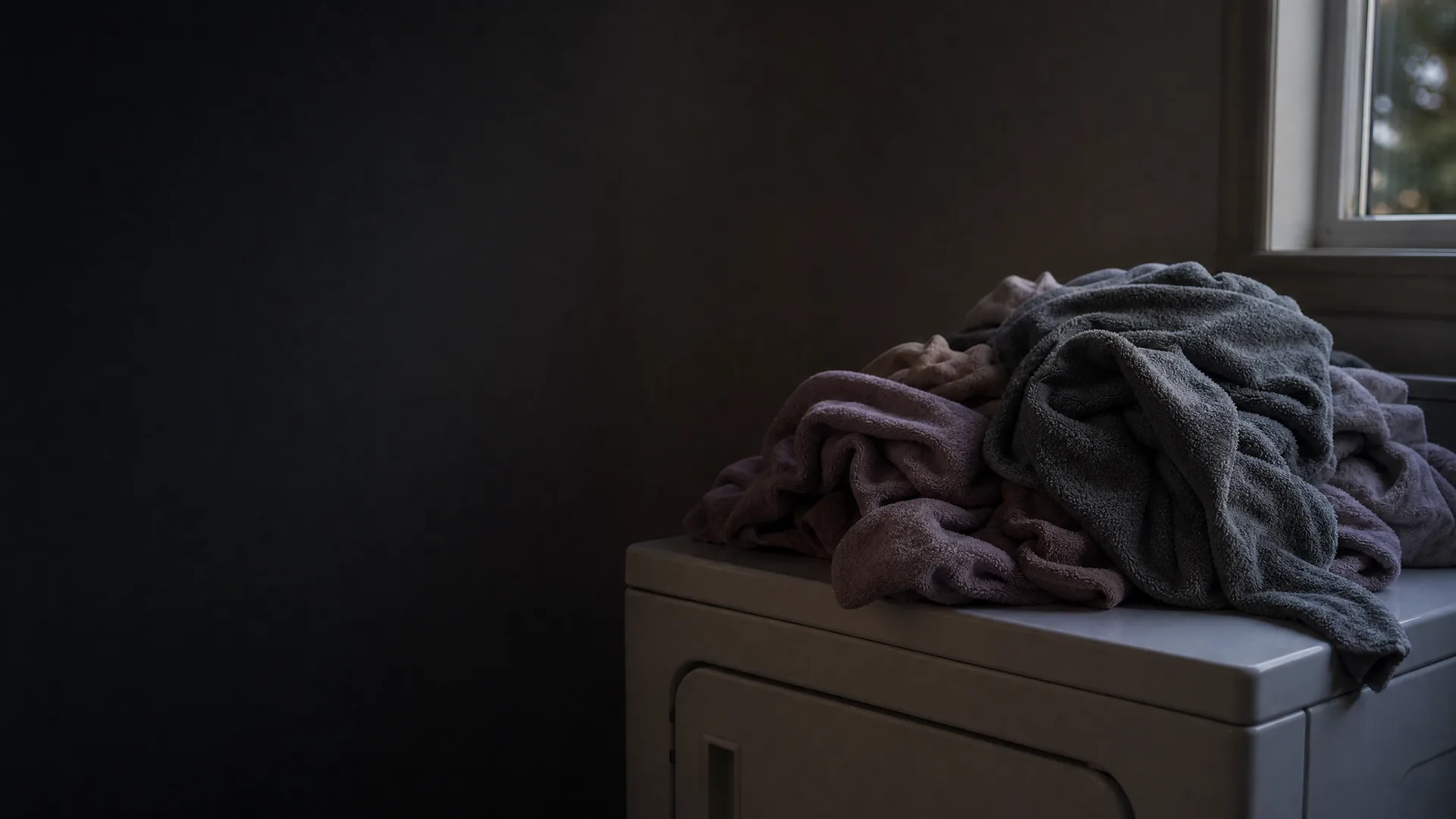
You pull the last load at 8 on a Tuesday and the towels are still damp, heavier than they should be after a full cycle. You run it again. Forty more minutes and they come out warm but not dry, that same thick, used-too-long smell clinging to them. You pile them on top of the dryer and go check the vent hood outside. Something is wedged against the flap, twigs poking past the edge. You leave the towels where they are and go find your phone, because this isn't something you want to pull apart yourself, and you'd rather have someone who does this look at it and tell you what else, if anything, it's doing to the dryer.
The right pro for this job

Answer a few questions instead of calling shop after shop.
You only hire the pro if you want to.
You run the dryer and the vent stays clear, because nothing's nesting in it right now. You keep using it, so it never sits idle long enough for a bird to settle in and start building.
You leave town for a week, or the dryer sits unused while you're between loads of laundry, and that's the opening a bird needs. A vent that goes quiet for a few days in spring can have a nest in it before you ever run another load.


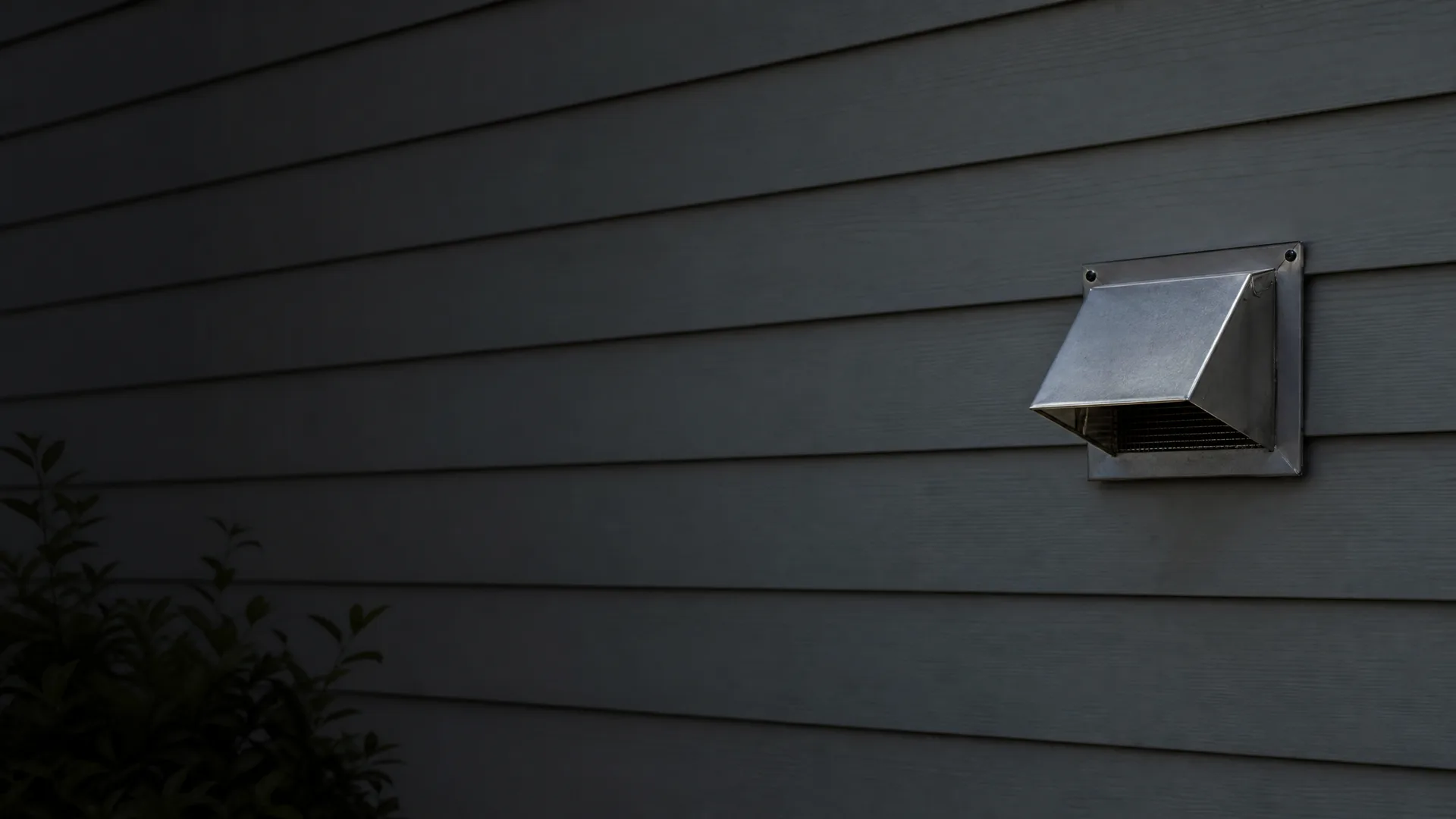
The hood on your dryer vent has a flap, and that flap only has one job. It swings open when the dryer runs and pushes air out, then it's supposed to fall shut. Birds don't see a flap. They see a ledge with cover from rain and from hawks, and once a sparrow or a wren starts wedging twigs through the gap, the flap stops closing all the way. From there it just sits propped open, dryer running or not. Every load you run after that pushes lint down the duct the same as always, except now it hits a tangle of twigs instead of open air, and it catches there instead of blowing clear. Enough of that and the flap can't open at all anymore, so the dryer is pushing against a packed wall of nest and lint with nowhere for the air to go. Pull the nest out and that's often not the end of it. House sparrows and wrens will try again in the same spot if nothing's done to stop them.
How a nest actually forms
- A dryer vent hood has a flap that's supposed to swing open only when the dryer is running and pushing air out.
- Birds land on the hood, find the flap gives them cover from rain and hawks, and start wedging twigs through the opening.
- Once the nest is built, the flap can't close all the way, so it stays propped open even when the dryer sits idle.
- Lint keeps moving through the duct every time you run a load, and it catches on the nest material instead of blowing clear outside.
- A nest packed tight enough can stop the flap from opening at all, so the dryer is pushing air against a wall of twigs and lint.
- House sparrows and wrens are the two birds most likely to build in a vent this size, and both nest again if the first attempt gets pulled out.






2.59 people per household on average
With 2.59 people in the average Cobb County household, most dryers here run several loads a week. That's a lot of warm, damp air pushed through the vent, exactly what a nesting bird is drawn to if the hood sits still for even a few days between loads.
ACS 2020-2024
Clean it out yourself
You can pull the hood cover off and clear a nest with your own hands if you can reach it safely from a ladder. A pair of gloves and a shop vac handle the twigs and lint near the opening. What you can't see is how far back the blockage goes. Vent runs often bend through a wall and travel several feet before they reach outside air, and a nest built against the flap usually means loose material further down the line too. Clearing the visible part gets the flap moving again, but it doesn't tell you whether the duct behind it is still packed tight or whether the birds left droppings and debris you can't reach from outside.
Have the full run cleaned
A contractor who cleans dryer vents runs a brush or rod the full length of the duct, not just the hood end, and checks that the flap seats and swings the way it should when the job is done. That matters because a vent that looks clear at the opening can still be choked further in, and a dryer pushing against resistance it can't clear on its own keeps running hotter and longer than it needs to. It also means you are not left guessing whether the nest was fully removed or whether something built further back during the time it sat unused.



A blocked vent won't clear itself
A dryer vent with a nest in it stays blocked until something pulls that nest out, twigs, lint, and all. The dryer will keep running anyway, pushing damp air against a wall of debris instead of outside, for as long as you let it. That's where you stand if your towels are coming out warm instead of dry.
Getting it cleared out doesn't have to mean climbing a ladder or guessing how far back the blockage runs. It means getting matched with a contractor near Mableton who handles this kind of job regularly, who can tell you what's actually built up in there and clear it properly. No searching, no calling around to find someone who answers, no explaining the same problem to three different companies before you get a quote you trust.

Matched to your dryer vent job
Describe your dryer vent job once, to one pro.