
Leave it alone
The dryer keeps running long cycles, the power to heat each one twice, and lint keeps building against that bend in the vent until the problem is worse than it is today.
One request and it's handed off
A load that used to take an hour now runs through two or three cycles and still comes out damp. That usually points to the vent, not the dryer itself, especially with Georgia's humidity working against you all summer. This page gets into what a clogged vent does to drying time and what cleaning it involves. Send the form and the search for someone qualified is off your plate.
Hand it offA dryer that runs long is usually pushing air through a vent that's partly blocked. Lint builds up inside the duct over time, and once it narrows the path, the hot wet air from each load has nowhere to go. The dryer keeps heating, the drum keeps turning, but the moisture just isn't leaving the house the way it should. In Georgia, summer humidity makes this worse, because the air coming in to replace what the dryer exhausts is already heavy with moisture, so there's less margin for a slow vent to work with. Most homes here heat with electricity, which means a clogged vent doesn't just cost you time. It means that electric dryer is running longer every single load to do the same job. A vent cleaning clears the duct so air moves the way it's supposed to again, and your dryer goes back to drying a load in one cycle instead of three.

Lint doesn't settle evenly through the vent. It catches where the duct turns, at the elbow behind the dryer or wherever the line bends to reach outside. Each load leaves a little more behind, and the buildup narrows that one spot faster than the rest of the run. A vent with two or three bends clogs faster than a straight shot to the outside wall, and most dryers aren't lined up a straight shot to anywhere.

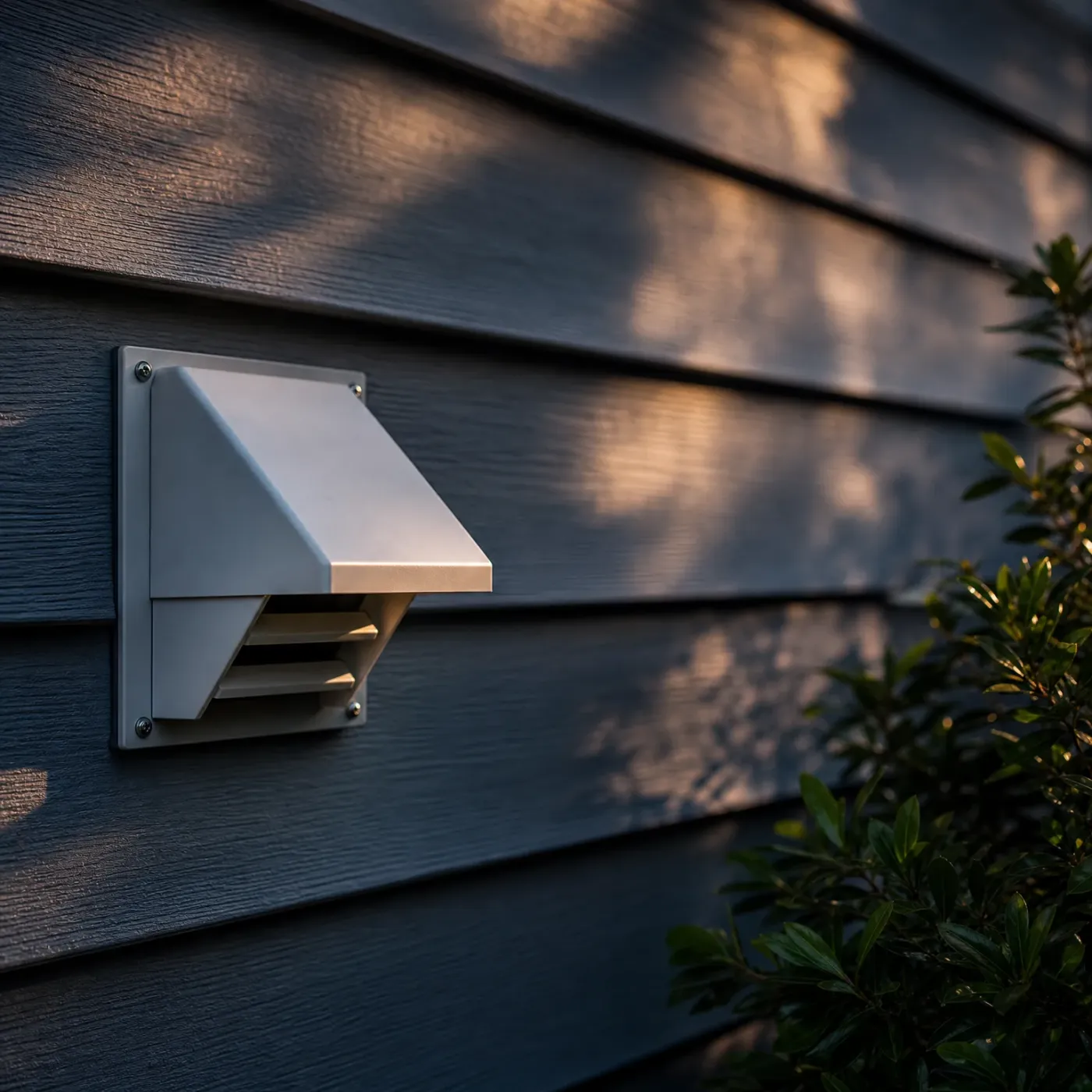
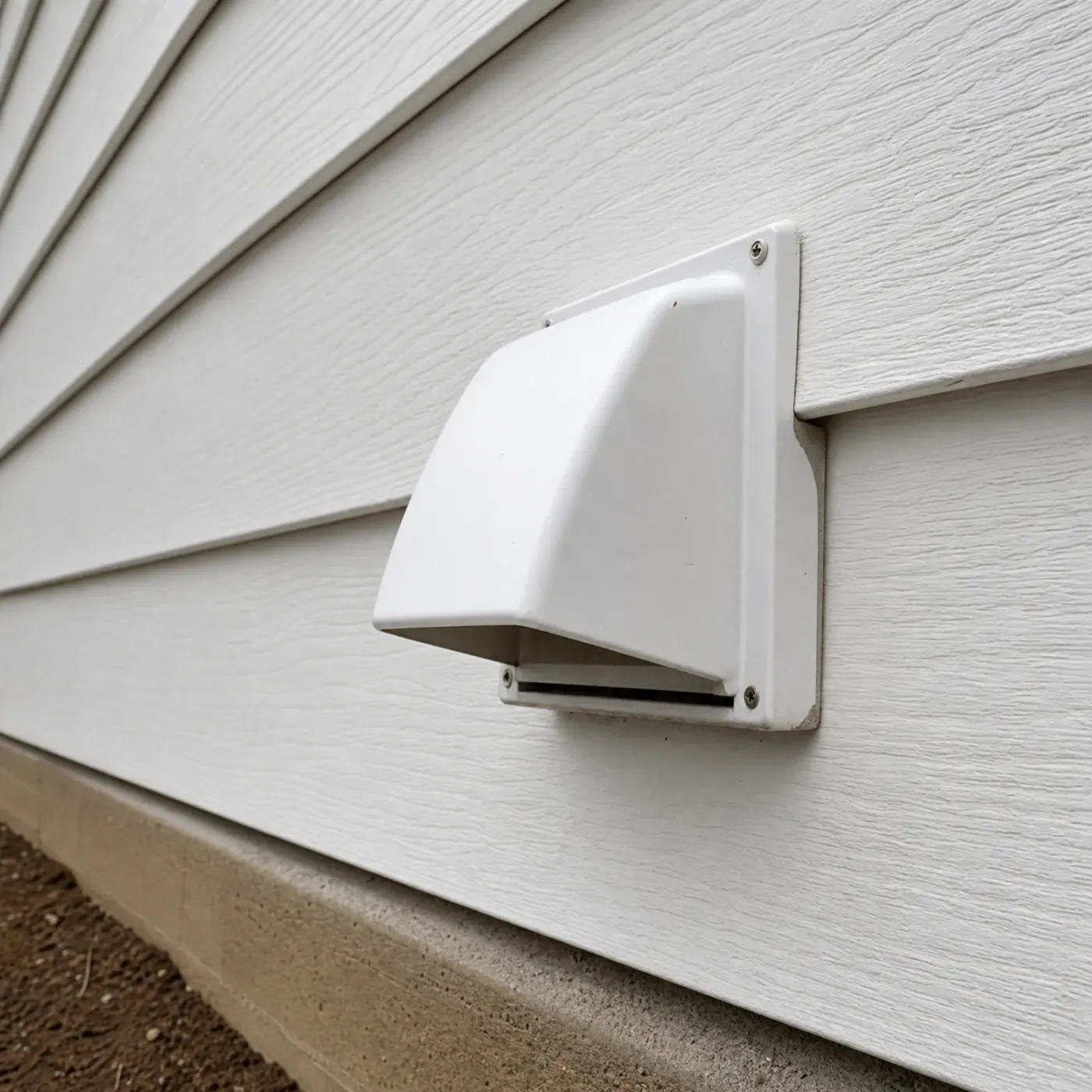
Step outside while a load is running and check the vent hood. The flap should swing open and you should feel warm air pushing out steady. Weak airflow, or air that feels cooler than it should, usually means the duct is restricted somewhere between the dryer and that hood. In Georgia's humid air, weak airflow outside means the moisture from the load is settling back into the duct instead of leaving the house.
Lint builds up inside the duct with every load you run.
Buildup narrows the vent until air barely moves through it.
Hot, wet air has nowhere to go and stays in the drum.
The dryer keeps heating and tumbling to push air out.
You reach into the drum and the clothes are still warm but not dry, so you run it again. The top of the dryer feels hotter than it used to, and the laundry room picks up a warm, damp smell that wasn't there before. Check the outside hood while a load is running. If you feel only a weak puff of air instead of a strong flow, the vent is the problem. Left alone, that trapped heat and moisture sit in the duct after every load, and with summer humidity already working against you, a blocked vent gives it nowhere dry to go.


Answer a few questions about the dryer vent cleaning and skip the search.
Send the form and finding a dryer vent cleaner is handled.
No fee to send it, and nothing to sign.

Every extra cycle is electric heat run twice to finish one load of laundry. In Georgia that heat is also fighting the humidity already in the air outside, so the dryer works harder than it would somewhere dry. With power priced the same as anywhere else here, that second and third cycle just adds up on the bill month after month.
There's a safety side too. Lint is what catches fire, and a blocked vent means more of it sitting in the duct instead of blowing out through the hood. You already know not to let small things like this ride. Finding someone to check a vent usually means searching around, calling a few places, explaining the same problem twice, then sorting through quotes that don't quite match. Send the form here and that part is off your plate.



The dryer keeps running long cycles, the power to heat each one twice, and lint keeps building against that bend in the vent until the problem is worse than it is today.
Someone clears the duct from the dryer to the outside hood. You stop hunting for a contractor yourself and stop waiting on hold to get someone out.
At 14.74 cents a kilowatt-hour, every extra cycle shows up on your bill. A dryer running two or three times to finish one load isn't a small add either; it's that rate charged again for heat that should have worked the first time.
EIA-861 2025 statewide residential average
A dryer that needs two or three runs to finish one load is telling you something. It almost never means the machine itself is failing. It means the vent can't move air the way it's supposed to. Lint catches wherever the duct bends, at the elbow behind the dryer or further along the line, and each load leaves a bit more behind until the path is too narrow to do its job. The hot, wet air from your clothes has nowhere to go, so it sits in the drum while the dryer keeps heating and tumbling to try to push it out. Georgia's humidity makes this worse. Air that's already heavy with moisture outside gives a partly blocked vent even less room to work with, so the slowdown shows up sooner here than it would somewhere dry. None of this fixes itself. Left alone, the lint keeps building and the cycles keep stretching, and every extra run is electric heat you're paying for a second time on a load that should have dried the first time through. Clearing the duct from the dryer to the outside hood is what opens that path back up. Once air can move through it again, drying times go back to normal, because the dryer isn't fighting trapped heat and moisture anymore. That's the whole problem, and it's a straightforward one to fix.




Stop chasing a dryer vent pro
Describe your dryer vent job once, to one pro.
