





Signs of a clogged dryer vent in Atlanta, GA

Send the request and finding a pro stops being your problem.

I'm done searching

A dryer that takes two or three cycles to dry a load, runs hot to the touch, or leaves clothes smelling faintly of exhaust is telling you the vent is clogged. Check the outside hood too: if the flap barely moves or stays shut while the dryer runs, lint has built up somewhere in the line between the dryer and the wall. This matters more in Fulton County because summers here get sticky and run long, and a dryer already fighting humid air has less room to also fight a blocked vent. A clogged vent traps heat in the dryer itself, which wears out the heating element and the thermal fuse faster than normal use would. It also pushes warm, damp exhaust back into the laundry area instead of outside. Left alone, lint built up in the duct is a fire risk, since it sits right next to the heat source every time you run a load. If your dryer is doing any of this, the vent is worth checking before the part itself gets replaced.

A pile of gray and blue towels sits on top of a white dryer in a dim room with a wall cabinet above and a window to the right.

You pull the towels out after the second run tonight and they're still damp at the folds, heavier than they should be. The dryer's hot on top, hotter than you remember it getting. It's a weeknight in Fulton County and you've got work tomorrow, so you start a third cycle and go back to the kitchen. Twenty minutes later you come back and the laundry room smells faintly like exhaust. The towels sit in a heap on top of the machine while it runs again, and you're standing there doing the math on how late this is going to go before anything comes out dry.

Why does a clogged vent hit your laundry routine so hard?

  • 2.26 people per household on average

    With 2.26 people in the average Fulton County household, laundry runs often. A vent that's even partly blocked turns every one of those loads into a longer job.

  • Half the homes here were built by 1993

    Half the homes in Fulton County were built in 1993 or earlier. A vent run that old has had decades to collect lint in bends and joints you can't see.

  • Power here costs 14.99 cents per kilowatt-hour

    At 14.99 cents per kilowatt-hour, a dryer forcing hot air through a clogged vent runs those extra cycles on power you're already paying for.

ACS 2020-2024 · EIA-861 2025

Running a load now versus waiting

If you run a load tonight with a clogged vent, the dryer will push hot, damp air back into the drum instead of outside. The heating element works longer to make up for it, and you'll likely pull the clothes out still damp, needing a second or third cycle. Nothing dangerous happens in that one run, but the lint stays packed in the vent either way, and the dryer keeps working harder than it should. You get your laundry done, eventually, at the cost of extra time standing by the machine and a higher bill at the end of the month.

Having the vent cleared first

If the vent gets cleared before you run another load, the dryer pulls air straight through and out the hood like it's supposed to. A full load dries in one cycle, the way it did when the vent was new. The outside hood flap will open and close properly while it runs, which you can check yourself. The dryer won't run as hot to the touch, and it won't be working against a block of packed lint every time you turn it on. The laundry still takes the same amount of your evening to start, but it finishes when you expect it to.

A smiling bearded man in a dark blue henley shirt sits leaning back on a light grey sofa in a living room, with a bowl of popcorn on a wooden coffee table and a large window behind him.
A bearded man in a dark quarter-zip sweater sits smiling on a brown sofa in a dimly lit living room, with a bowl of popcorn and a mug on a table in the foreground and a potted plant near a window behind him.
A smiling man with graying dark hair and a beard, wearing an olive sweater, sits on a sofa in a living room beside a bowl of popcorn on a wooden table.
A smiling man in a dark green henley shirt sits on a gray sofa in a living room with a lit table lamp, wooden shelving unit, and a bowl of popcorn in the foreground.

Let someone else find the pro

You already know the signs. The question now is whether to keep running loads through a vent that's choked or get someone out to clear it. A tech who cleans vents around Fulton County every week has seen what a season of lint buildup looks like in homes like yours, from the hood flap that won't open to the duct run packed solid behind the wall. That's the kind of problem that's hard to judge from the laundry room, since most of the blockage sits out of sight in the line itself. Send the request and it goes to one local contractor who handles this kind of job regularly, not a handful of companies competing for your callback. That means no sorting through quotes or explaining the problem five times over. With a dryer that's already working too hard and clothes coming out damp twice in a row, getting someone to look at the vent is worth doing before it runs another full cycle on tonight's load.

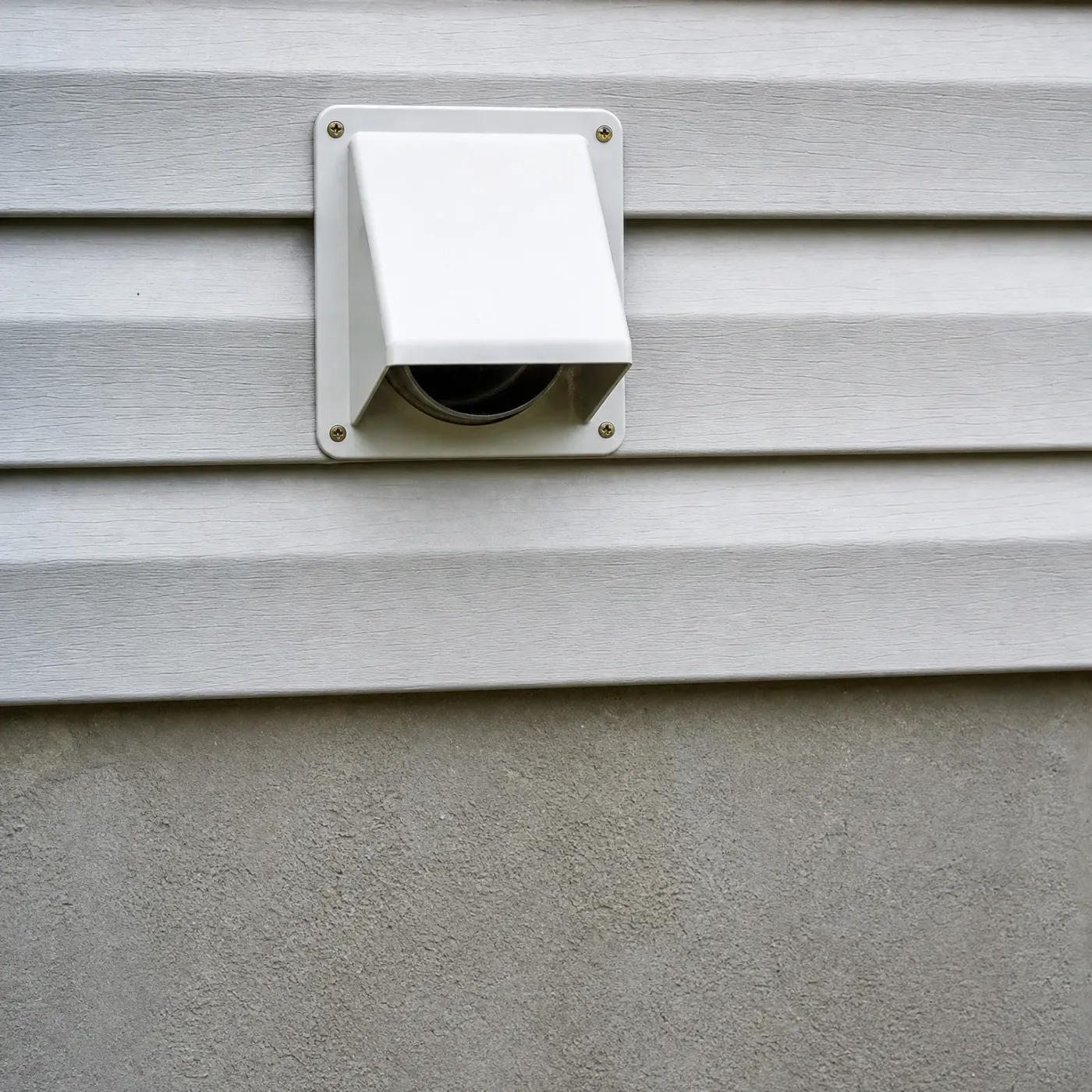
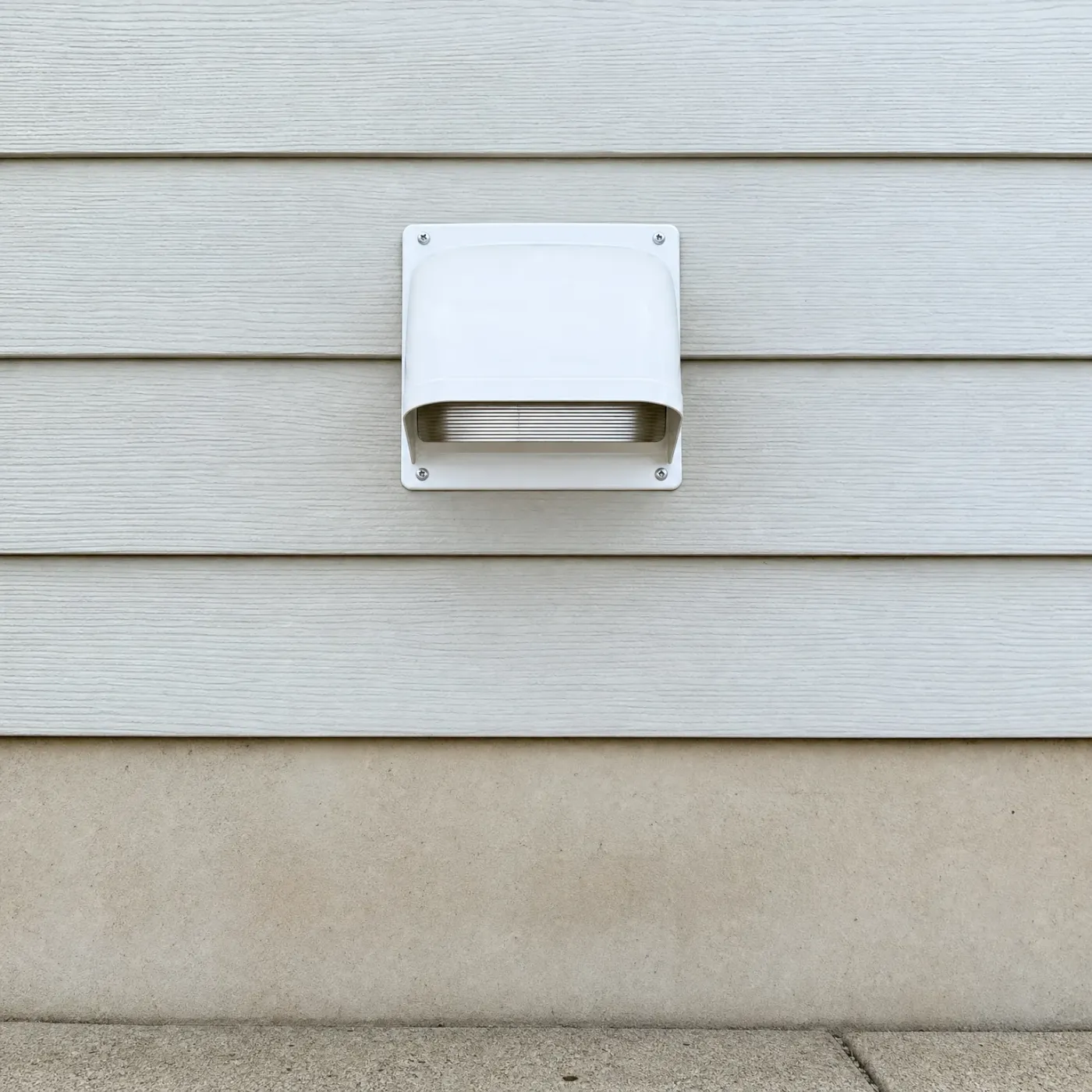
A white hooded dryer vent with a louvered opening mounted on light beige horizontal lap siding above a concrete foundation and sidewalk.

Vent clear

This is what a working vent looks like. The hood sits flush against the siding and the flap swings open easily when the dryer kicks on, closing again once the cycle ends. Air and lint pass straight through and out, so the dryer runs its normal cycle and shuts off on schedule.
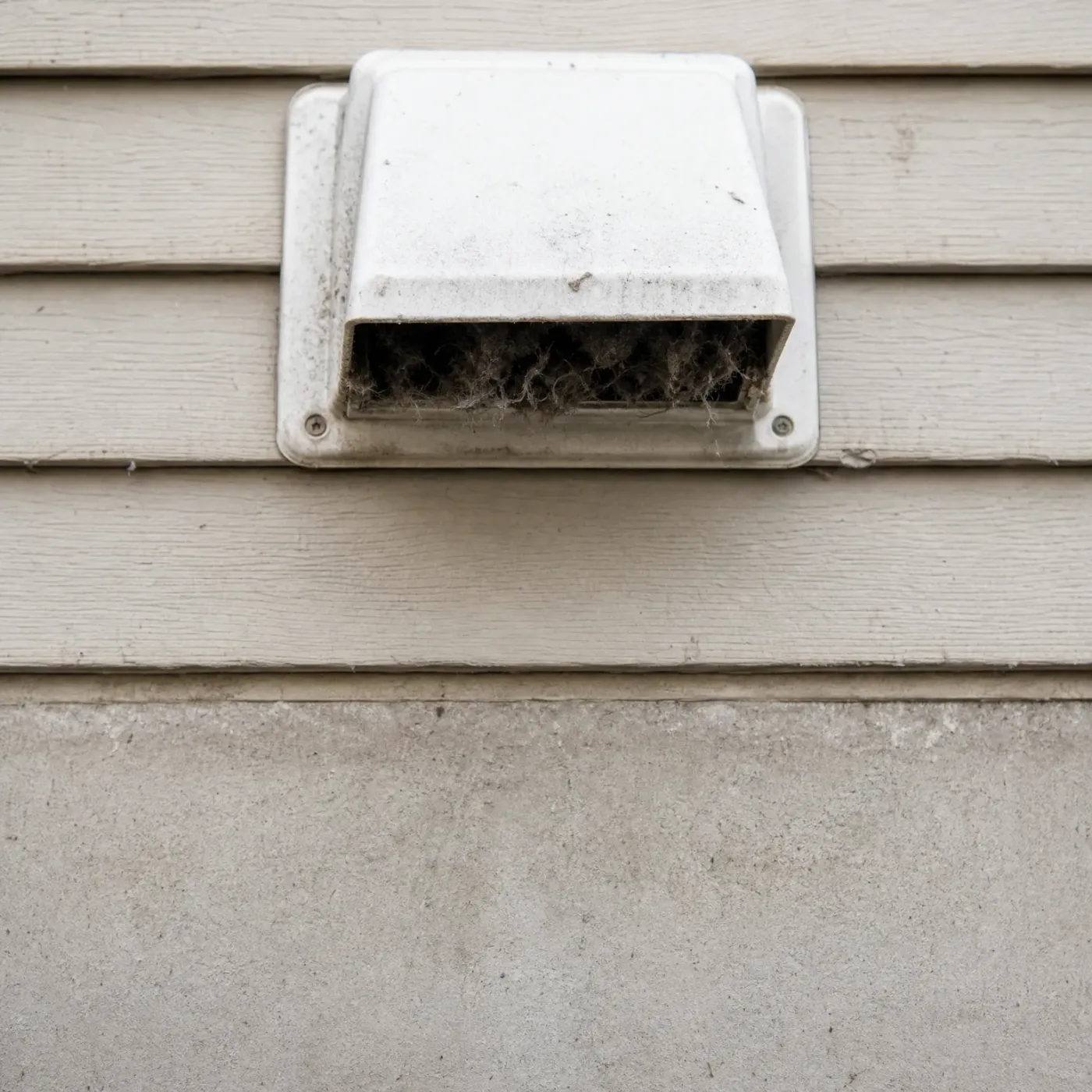

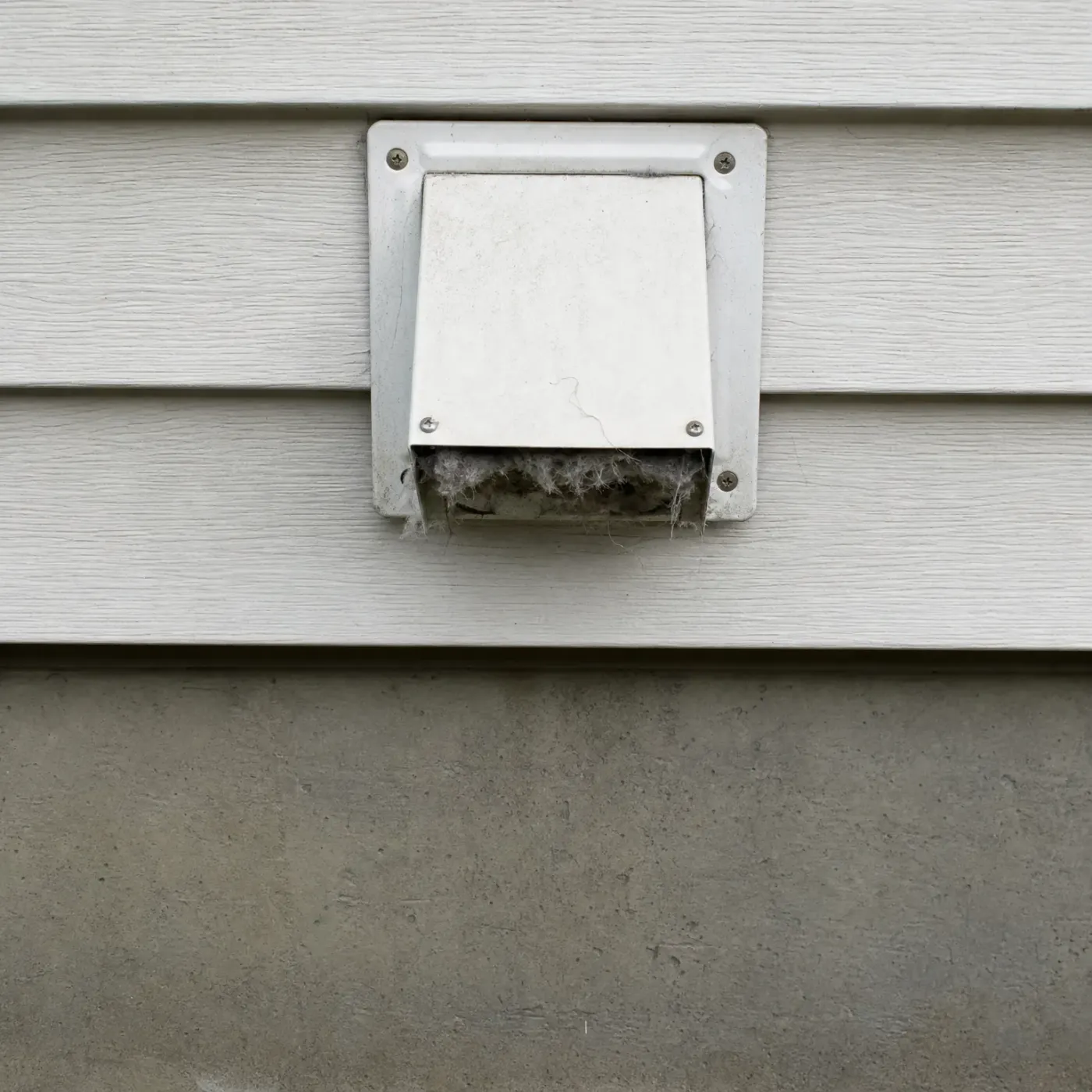
A white plastic dryer vent hood clogged with grey lint, mounted on beige horizontal lap siding above a concrete foundation wall.

Vent clogged

Here the opening is packed with gray lint, built up layer on layer until there's barely a gap left for air to escape. The flap can't swing against that much buildup, so it sits open or barely moves. Heat and moisture have nowhere to go but back into the drum.

Why does laundry day feel harder than it used to?

You notice it most on the nights you're already running behind. The dryer buzzer goes off and the clothes are still cool and damp in the middle of the load. You run it again, and the room gets warm in a way it didn't used to, sometimes with a burnt-dust smell drifting out from the back of the machine. Lint turns up in places it shouldn't, on top of the dryer, behind it, in the lint trap faster than a single load would explain. None of this is the dryer wearing out. It's air that has nowhere to go, and every extra cycle is heat and moisture sitting inside your house instead of venting outside, which over time is how lint fires start.

  1. Lint builds up inside the vent duct over many loads.

  2. Airflow slows, so damp air stops leaving through the vent.

  3. Heat and moisture collect inside the dryer drum.

  4. The dryer runs longer and hotter to finish each load.

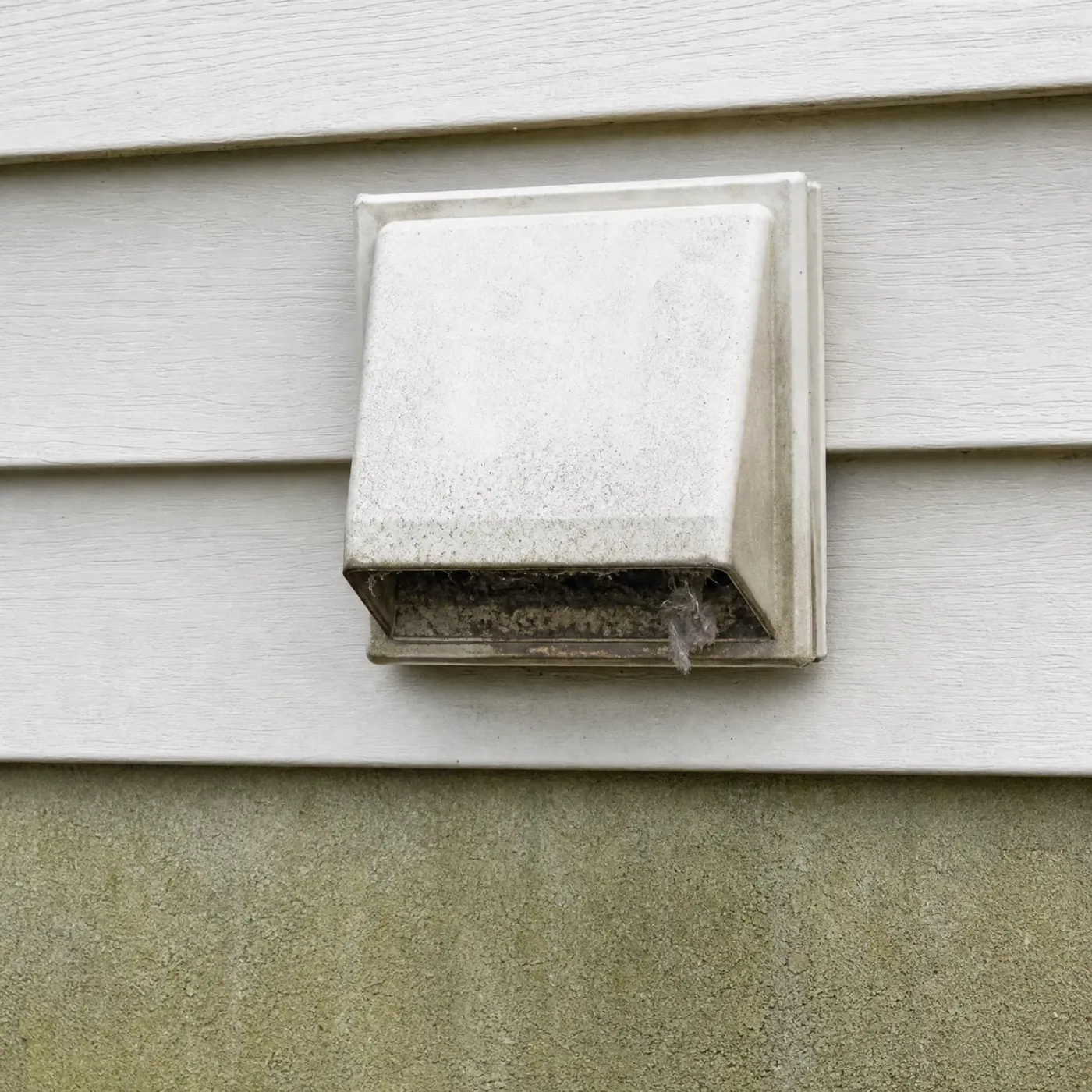
A white plastic dryer vent hood mounted on light-colored horizontal lap siding, with lint caught in its lower opening and a green-stained foundation wall below.
Before you get your dryer vent cleaning
A white hooded dryer vent with a square mounting plate screwed onto light gray horizontal vinyl siding, above a gray stucco-textured lower wall.
After you get your dryer vent cleaning

A clogged vent doesn't just slow the dryer down. It traps heat the dryer was built to send outside, and that heat has nowhere to go but back into the drum and the room around it.

That's why the laundry room runs warm and the dryer keeps running past when a load should be done. Clearing the vent gives that heat a way out again, and the dryer goes back to drying a load once.

2.26 people per household on average

At 2.26 people, most Fulton County households aren't doing wash for a crowd. If you're still running two or three cycles to get a small load dry, that's not your family's laundry pile talking. It's the vent.

ACS 2020-2024

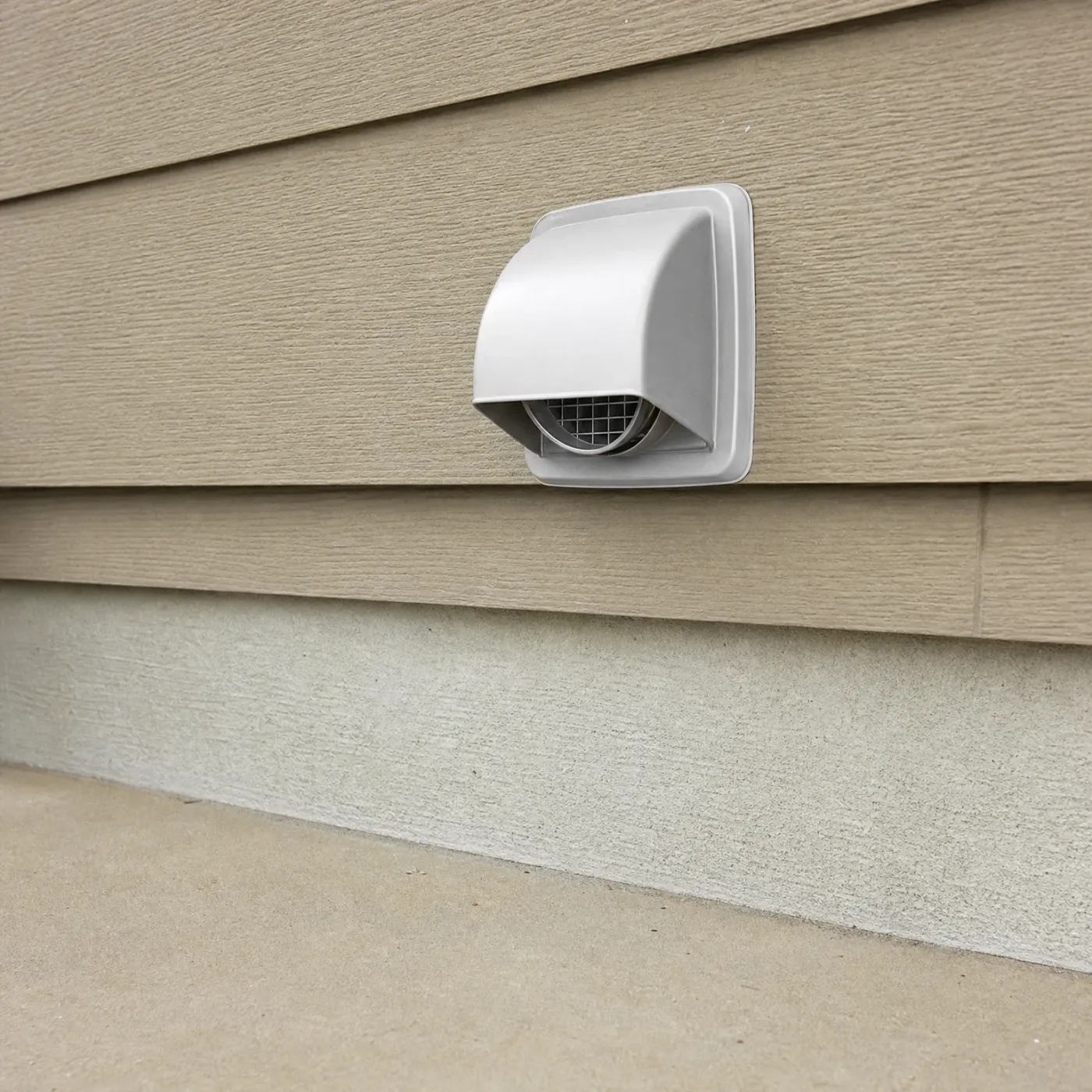
A white hooded dryer vent with a grille mounted on tan horizontal lap siding above a concrete slab.
This hood sits flush against the siding, and the flap hangs loose enough to swing open the moment the dryer starts pushing air.
A white plastic dryer vent hood with a hinged flap mounted on light grey horizontal lap siding, with lint clogging the opening beneath the flap and a concrete foundation wall below.
Here the flap stays propped open by the lint packed behind it, which means it's not closing between loads either.
A woman in a cream knit sweater reclines on a sofa with her eyes closed and a slight smile, a closed dark book resting on a blanket in the foreground and a lit lamp and small potted plant behind her.
A smiling bearded man in a dark green sweater sits at a dinner table with a glass of red wine, a bowl of salad and a lit candle in the foreground, in a dimly lit room with a framed picture, lamp and potted plants behind him.

What Your Dryer Has Been Telling You

  • Damp clothes after two cycles, a hot dryer top, and a hood flap that won't swing open all point to the same clogged vent.
  • Once you clear it, the signs go the other way: one cycle dries the load, the dryer runs warm instead of hot, and the flap opens and closes on its own.
  • A tech who clears vents around Fulton County all season knows which hood styles tend to stick and which duct runs pack with lint fastest.
  • Sending one request means one licensed local contractor calls, not a handful of companies competing for the job.
  • The vent either moves air or it doesn't, and your dryer's been telling you which one is true for a while now.

Everything in this comes back to the same few things. A load that takes two cycles instead of one. A dryer top that's too hot to rest your hand on. A hood flap outside that sits stuck or barely moves. Any one of those is the vent trying to tell you airflow isn't getting through. Put two or three together and there's not much left to wonder about.

Once the duct is clear, you'll see it reverse. One cycle gets clothes dry. The dryer runs warm, not hot. The flap swings open when the dryer starts and falls shut again once it's done, the way it's supposed to. That's the whole difference, and it shows up the next time you do a load.

A tech who spends the season clearing vents around Fulton County has gone through enough of these to know which hood styles tend to stick shut and which duct runs fill with lint faster than others. That's not guesswork from a stranger. It's someone who's seen this exact setup before, more than once, in homes like yours.

Sending in one request gets you one licensed contractor local to the area, not a string of callbacks from companies you didn't ask to hear from. Just the person who'll actually do the work.

Your dryer isn't guessing about any of this. It's been running hot and taking too long for a reason, and that reason is sitting in the vent right now, either moving air or not.

A dark gray hooded exterior vent cover with a louvered opening mounted on dark horizontal lap siding, viewed at a steep angle.

One request and it's handed off

A licensed pro who works in Fulton County gets your request.

Duct and vent cleaningFulton County, GA
Step 1 of 3

What kind of equipment?