Air pushes out the way it should
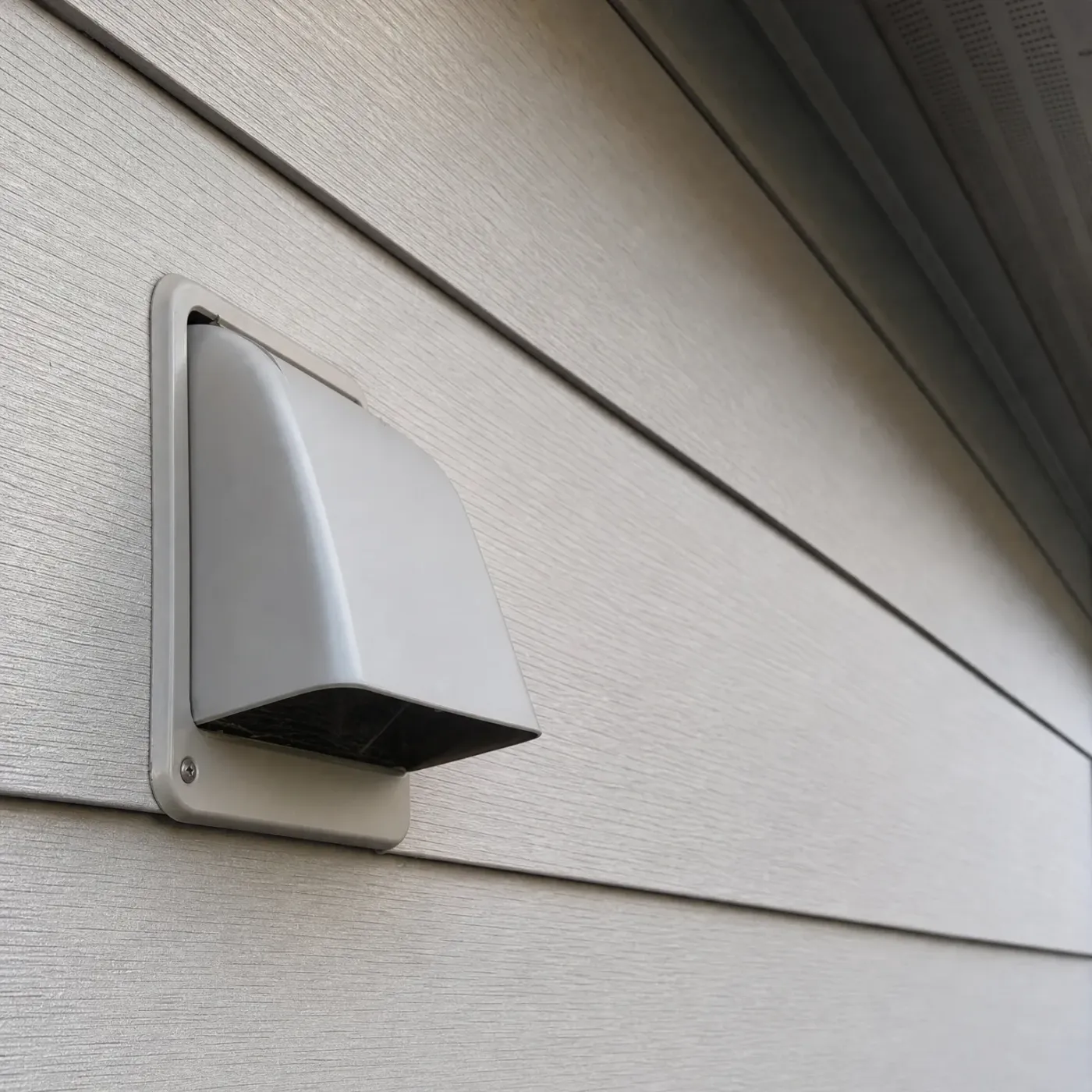
The flap swings open on its hinge every time the dryer kicks on. The screen behind it stays clear enough to see through. Air and lint leave the house instead of building up behind the wall.

A clogged dryer vent shows up first as clothes that take two or three cycles to dry when one used to do it. The dryer itself may run hotter than normal, and you might smell a faint burning smell or notice the top of the machine is hot to the touch. Check the outside vent hood while the dryer runs. If the flap barely moves or no air comes out, lint is blocking the line somewhere between the drum and the outside wall. In Georgia's humidity, lint that collects in the vent holds moisture longer than it would somewhere dry, so it packs down and blocks airflow faster than you'd expect. A blocked vent also means the hot, damp air the dryer pushes out has nowhere to go, which raises the risk of a dryer fire and strains the heating element with every load. If drying times keep stretching out, the vent needs a look, not just the lint trap.


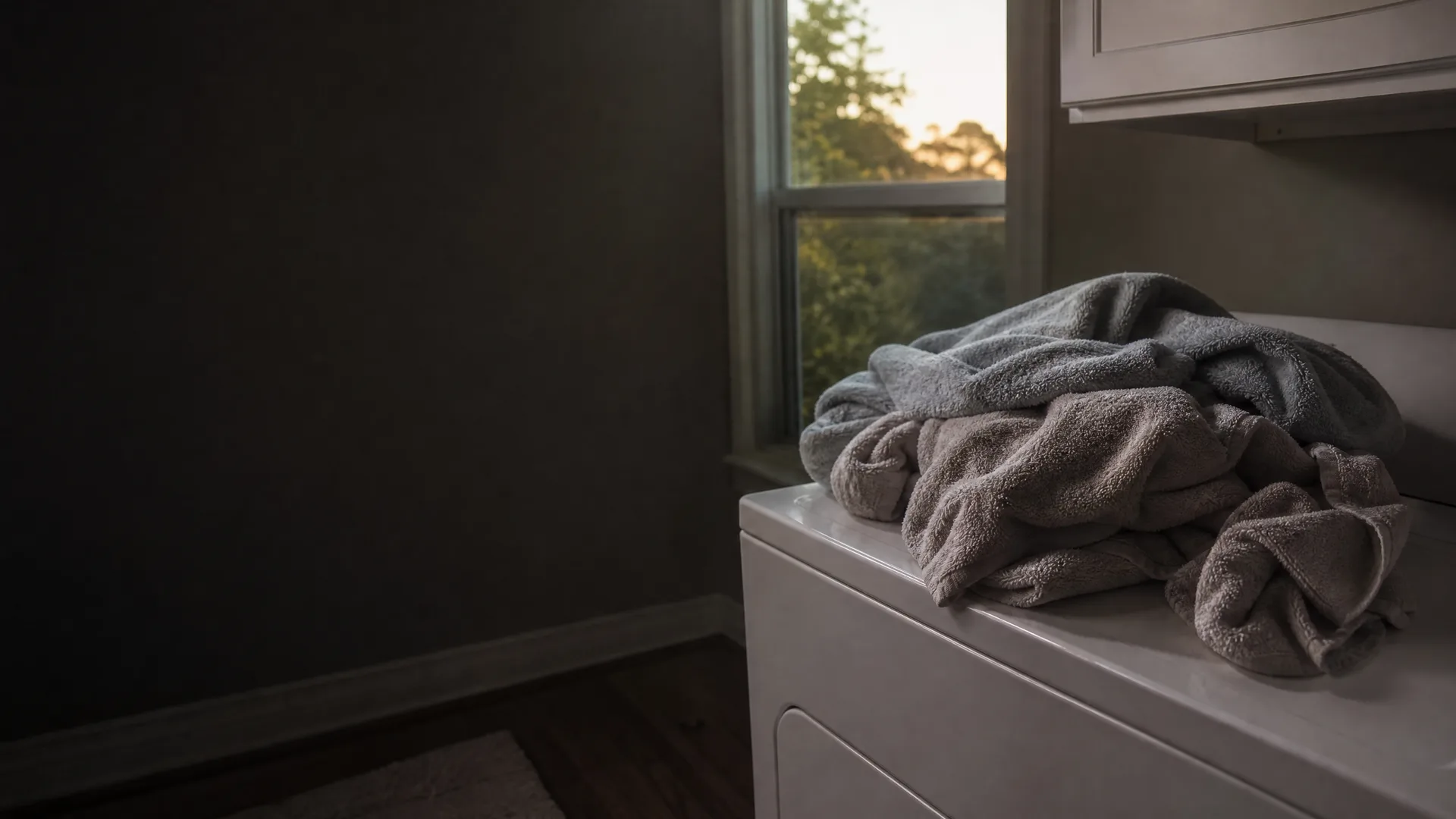
You start the dryer after dinner and go back to it an hour later expecting warm, dry towels. Instead they're still damp, heavy in your hands, and the air coming off them barely feels warm at all. You run it again. Georgia nights in the summer are muggy enough without adding a laundry room full of wet heat, and now the dryer's been going for two straight cycles. You press your palm to the top panel and it's warmer than it should be. The towels end up draped over the washer and the chair by the door, waiting for a third try that might not work either.

The flap swings open on its hinge every time the dryer kicks on. The screen behind it stays clear enough to see through. Air and lint leave the house instead of building up behind the wall.

Lint has packed into the grid until the openings are nearly solid. The flap barely lifts, so air backs up into the duct instead of venting outside. From the yard it just looks dusty. Inside, it's why the dryer's working so hard.


You've probably already tried the easy fixes. Clean the lint trap every load, check the hood outside, maybe run a longer dry cycle and hope that solves it. None of that clears a duct packed with lint between the wall and the vent hood. That part takes someone who can get into the line with the right equipment and pull out what's built up over years of drying clothes. Finding that person usually means searching around, calling a few places, explaining the same thing about your dryer running hot and your clothes coming out damp, then weighing quotes that don't tell you much against each other. Submitting your information here hands that off. A contractor who works on dryer vents in your area gets your request and follows up with you directly, so you're not the one tracking down who's available and who isn't. Georgia summers are already muggy enough without a dryer adding more heat and moisture to the house every time you run a load that should've finished the first time.
Most dryer ducts in Georgia homes run several feet before they reach outside, often with at least one turn where the vent passes through a wall or joist bay. Lint catches at every bend, and the longer the run, the more surface there is for it to grab onto. A straight, short duct clears itself fairly well on its own. A duct with turns traps lint a few inches at a time until the airflow drops low enough that you notice it in the laundry room. By the time clothes are coming out damp, the buildup usually isn't just at the hood. It's further back, where you can't reach it by hand.
A dryer is built to push hot, moist air out through the duct as fast as it heats it. When lint narrows that path, the air has nowhere to go, so it backs up into the drum and the machine runs hotter than it's designed to. The thermal cutoff switch is there to shut the dryer down if it overheats, and a consistently clogged vent is what trips it, sometimes more than once. Each time that happens, the cycle ends before your clothes are dry, which is part of why it's taking two or three runs instead of one.




You can pull the lint trap, wipe it down, and stand outside while the dryer runs to see if the hood flap moves. That tells you whether air is pushing out at the very end of the line. It won't tell you what the duct looks like at the bend behind the wall or in the joist bay, and that's usually where lint packs in first. You can watch drying times and feel the hood for warm air, but you can't see inside the run itself, and guessing at it from the outside only goes so far.
A contractor who does this brings equipment made to run the full length of the duct, through the turns and into the wall or joist bay where lint actually collects. That clears what you can't reach by hand and can't see from the hood. It also saves you the work of sorting through who in your area does this kind of cleaning, calling a few, explaining the same drying problem each time, and comparing what they quote. Getting matched with someone who handles this skips that part, and they reach out to you directly.


At 14.74 cents per kilowatt-hour, a dryer that's forced to run two or three cycles to finish one load isn't just slower. It's pulling that rate two or three times over for the same basket of towels. A vent that pushes air out in one pass is the difference.
EIA-861 2025 statewide residential average

Everything on this page points to the same place. Clothes that stay damp after a full cycle, a machine that runs hot, a hood flap that barely moves. They're all the duct telling you it's packed with lint and can't push air out anymore. Once you know what to check, it doesn't take long to see which side of that you're on.
Clearing the duct itself means getting into the wall or joist bay where the lint has settled, not just the hood you can reach from outside. That's a different job than wiping the lint trap, and it's not one most people want to take on themselves. If you'd rather not spend your weekend calling around Georgia for someone who does this work, describe what your dryer's been doing and you'll be matched with a contractor who handles vent cleaning, and they'll reach out to you directly.

Skip calling around for someone who cleans dryer vents.
You only hire the pro if you want to.