
Dryer Vent Cleaning in Peachtree Corners, GA
Tell us about your home, and a licensed contractor who covers Gwinnett County will get in touch.
Tell us about the job
It takes about a minute.

Cold nights turn dryer lint into a wall of buildup
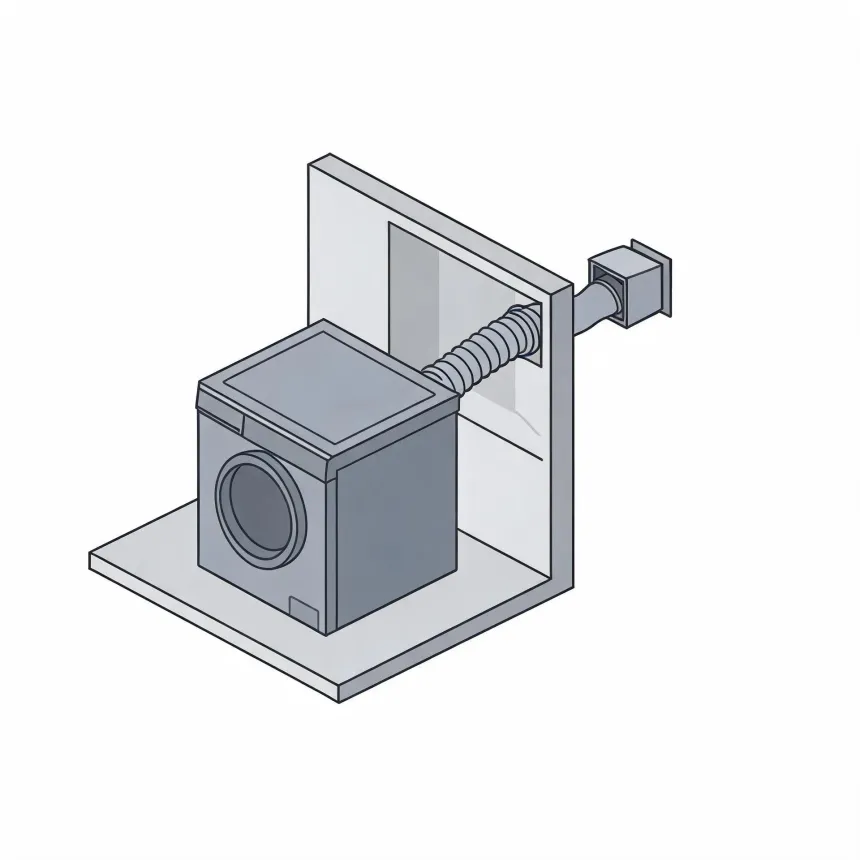
Your dryer pushes out warm, damp air every time it runs. From November through April, that air is moving through a vent that sits in cold space, with winter nights here averaging 34°F. The warm air cools fast against the cold walls of the vent, and the moisture it's carrying has somewhere to go. Lint sticks to a damp surface far more than a dry one, so it builds up along the vent walls instead of blowing straight out.
Once lint packs into the vent, the dryer has to push exhaust through a narrower path. Moist, lint-heavy air moving slower through a tighter vent means more of it condenses and more lint sticks, and the buildup feeds on itself over the six months a year your home needs heat.
- 34°F
- the average winter night, and cold vents catch damp lint
- 6 months
- November through April, the vent stays cold
NOAA nClimDiv, 1991–2020 normals
- How often should a dryer vent be cleaned?
- Once a year is the standard most contractors go by. Lint builds up inside the duct even when you clean the lint trap every load, and it collects faster where the duct has bends or runs a long distance to the outside. If your dryer has started taking two cycles to dry what used to take one, that is the vent telling you it needs attention before the year is up.
- Can I clean my dryer vent myself?
- You can clean the first few feet, but most of the duct is out of reach without the right tools. A vent brush kit from a hardware store will pull lint out near the dryer itself. If the run is long, has more than one bend, or goes up through a roof cap, a contractor with a proper brush and vacuum setup can clean the whole length and check that the cap outside opens and closes the way it should.
- What are the signs of a clogged dryer vent?
- Clothes that need a second cycle to dry, a dryer that runs hot on the outside, and a burning smell during a cycle are the main signs. You might also notice the vent hood outside barely moves when the dryer is running, or lint gathering around it. Any of these means air is not moving through the duct the way it should, and the full run is worth having checked, not just the trap.