


Signs your air ducts need cleaning in Georgia

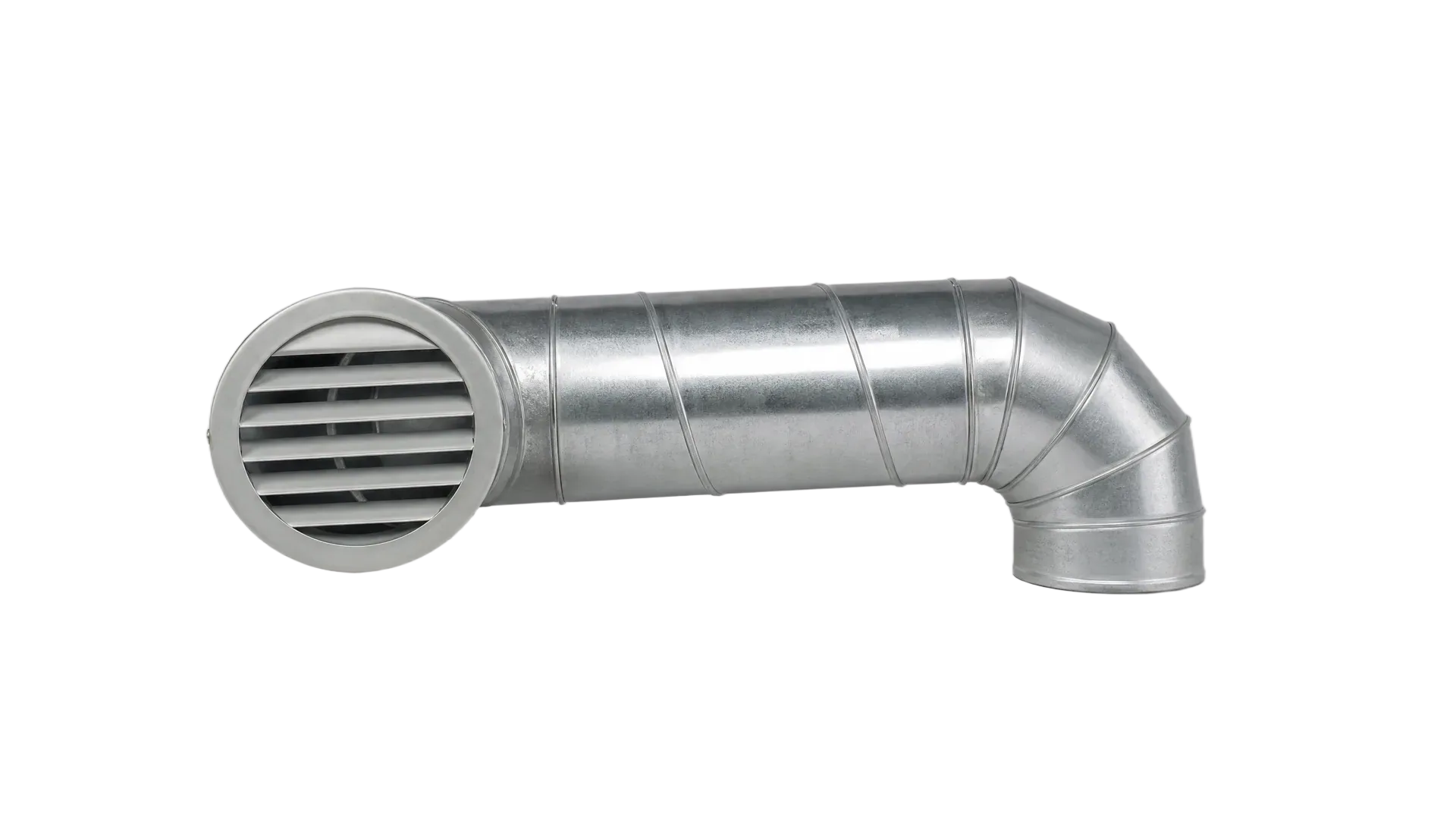
A galvanized steel round duct section with a 90-degree elbow at one end and a louvered vent grille at the other, photographed against a plain gray background.
I'm done searching

Dust building up around your vents, a musty smell when the air kicks on, or rooms that stay stuffy no matter how long the AC runs are the usual signs your ducts need cleaning. In Georgia, summers stay muggy for months, and that humidity gives mold and dust a place to collect inside the ductwork, especially if the system also handles a lot of pollen from spring through fall. Once that buildup sits in the ducts, every cycle pushes it back into the rooms you're trying to cool. Some homes also show it as a fine layer of dust that returns within days of cleaning a room, or allergy symptoms that ease up when you leave the house. If you're noticing any of this, the ducts are worth a look before it gets worse.

Power costs 14.74 cents per kilowatt-hour statewide

At 14.74 cents per kilowatt-hour, your electric bill already tracks every extra minute your AC runs. Clogged ducts force the system to push harder to cool the same rooms, and that strain shows up on the next bill before it shows up anywhere else.

EIA-861 2025 statewide residential average

Unfinished basement interior with exposed wooden floor joists, galvanized rectangular and round sheet-metal ducts, a gray furnace unit at left, and a large blank light-colored wall at right.

What a quick look tells you

Pull a vent cover off and look inside with a flashlight. Gray dust coating the metal a few inches in is normal and not a reason to call anyone. What's worth noting is dark spots, a buildup thick enough to block airflow, or anything that looks wet or matted. If two or three vents around the house show the same thing, that's a pattern worth acting on, not just one room needing a wipe-down.

Galvanized sheet metal ductwork with elbows and a vent grille running beneath an exposed wood joist and OSB ceiling, next to a blank white wall.

When it's more than dust

Some signs don't wait for you to go looking. A musty smell every time the AC cycles on, family members with allergies acting up more indoors than out, or a layer of dust that returns within days of cleaning a vent all point to something building up inside the ducts themselves. In a state where the AC runs for months at a stretch, that's air passing through the problem over and over, not just sitting near it.

Does this sound like what's going on in your house?

You notice it most when the AC has been running for an hour and the back bedroom still feels thick. Or you walk past a vent and catch that musty smell, the one that's stronger right when the system kicks on. Maybe someone in the house has been sneezing more since spring, or you've dusted the shelves twice this week and they're already gray again. A vent cover might be rattling loose, or the airflow out of one room feels weaker than the rest of the house. On its own, any one of these could be nothing. Together, in a Georgia summer where the air outside is already heavy with moisture, they point to ducts holding onto dust and mold rather than moving clean air through.

Unfinished basement with galvanized sheet-metal rectangular and round ductwork running along a wood-joist ceiling, two steel support columns, a small window, and a furnace unit against the far right wall.

Ducts doing their job

This is what clean ductwork looks like behind the scenes: metal runs carrying air straight from the furnace to each room, joists and pipes doing their own separate work. Air moves through without resistance, and every vent gets its share.


An unfinished basement with bare concrete walls and floor, showing exposed wooden floor joists, pipes, wiring, and metal HVAC ducts with a vent grille overhead.

Ducts under strain

Same kind of basement, same metal runs, but these ducts are working against buildup inside them. The branch lines off the plenum are carrying less air than they should, so the system runs longer to reach the same temperature.

A smiling man in a blue denim shirt over a white tee sits at a light stone kitchen counter with a grey mug and a bowl of oranges and bananas, with pendant lights and shelving behind him.
A smiling bearded man in a grey long-sleeved shirt sits at a kitchen counter with a dark mug, with a dining table, pendant light and glass doors onto greenery behind him.
A bearded man in a dark green knit sweater smiles and looks off to the side while standing at a kitchen counter with a white mug of coffee, with open shelving, a potted tree, and a dining table near large windows behind him.
A man with dark curly hair in a dark green sweater stands smiling and looking to the side in a kitchen with white cabinets, a potted plant, a stone countertop with a ceramic mug, and a dining area with framed art in the background.
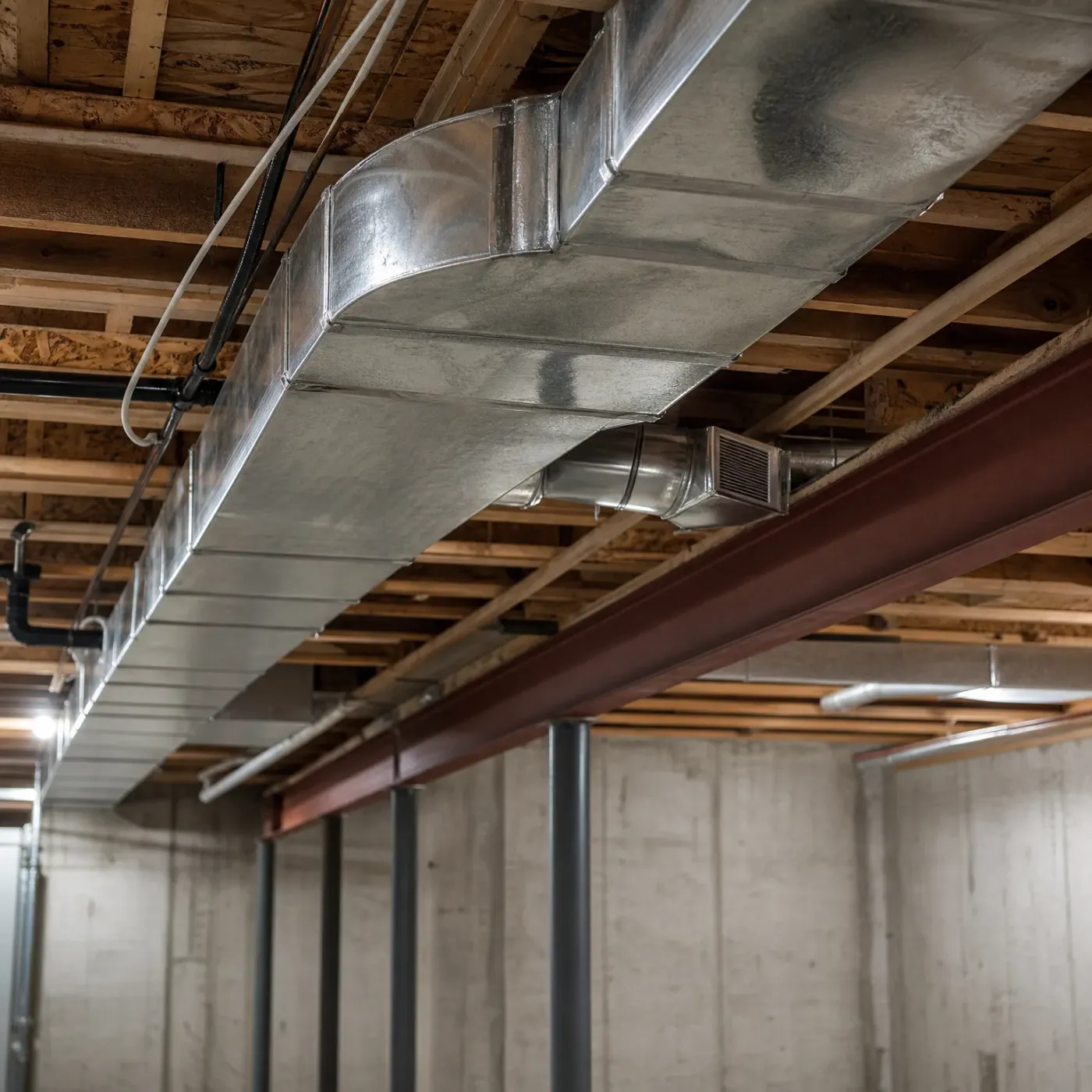
Galvanized sheet metal trunk ductwork with a round branch and register running beneath wood floor joists in an unfinished basement, alongside pipes, wiring, a steel beam and concrete walls.

Finding a pro stops being your job

Your duct cleaning request goes to one local pro.

Send the request and finding a pro stops being your problem.

Hand it over

Sending the form costs nothing.

Unfinished basement with bare concrete walls and floor, showing exposed wood floor joists overhead with sheet-metal rectangular ductwork, insulated flexible ducts, and pipes.
Metal trunk lines and flex duct run clean through the joists, each one tied in tight with nothing hanging loose or sagging.
Basement ceiling with galvanized sheet metal rectangular ducts and round pipes running between wooden joists above a bare concrete wall and floor.
The same framing here is doing double duty, holding dust and debris that settle into every seam the camera can't quite show.

Air comes back through the return side before it ever reaches the filter, so anything smaller than what the filter can catch keeps going and settles in the trunk line. Flex duct holds more of that dust than metal does, since the ribbed liner inside gives particles something to catch on. Smooth metal runs let more of it slide through. That's part of why the return side usually shows more buildup than the supply side, where air has already been filtered. Distance plays a role too. A register right off the furnace sees faster-moving air, while one at the end of a long run gets air that's already slowed down and dropped more of what it's carrying. A real cleaning job works the whole system at once, pulling negative pressure through the ducts while a tool knocks debris off the walls so it can be drawn out rather than pushed further in. None of that fixes a moisture problem though. If a coil is staying wet or a condensate line isn't draining right, that's feeding mold on its own, and cleaning the ducts won't touch the source.

How Debris Actually Moves Through Your Ducts

  • Return air pulls through the filter first, but anything finer than the filter traps drifts past it and settles in the trunk line.
  • Flex duct has a ribbed inner liner, and dust catches on those ridges more than it does on the smooth metal of a trunk line.
  • A cleaning job runs negative pressure through the whole system while a contact tool agitates debris loose from the duct walls.
  • The supply side usually carries less buildup than the return side, since return air hasn't passed through the filter yet.
  • Registers close to the furnace often show less dust than ones at the end of a long run, because air loses speed the farther it travels.
  • Mold needs a moisture source, so a damp coil or a condensate line draining wrong feeds growth that a cleaning alone won't fix.
Empty concrete-walled basement room with galvanized rectangular and round HVAC ducts and pipes running along the exposed wood-joist ceiling.
Before you get your ductwork cleaning
Unfinished basement with galvanized sheet-metal ductwork and pipes beneath wood joists, a gray furnace unit at left, insulated plastic-covered walls over a concrete foundation, and a bare concrete floor.
After you get your ductwork cleaning
  1. A technician cuts access ports into the main trunk lines.

  2. A vacuum unit connects to the ductwork to pull negative pressure.

  3. Brushes or air whips knock dust loose inside each run.

  4. Loosened debris travels through the ducts into the vacuum.

A bearded man in a navy T-shirt sits on a light-colored couch indoors, smiling while looking down at a laptop screen in the foreground, with a framed picture and a potted plant blurred behind him.
A bearded man in a plaid flannel shirt sits indoors looking out a window at snow-covered trees, with a steaming mug on the sill and wooden kitchen shelves behind him.

What to Do With What You Know

  • Dust at the vents, a musty smell, and rooms that stay stuffy are the signs that your ducts need cleaning.
  • A flashlight check inside the vent cover tells you more than guessing ever will.
  • Georgia's muggy summers give mold a reason to take hold inside ductwork that would otherwise just collect dust.
  • A local contractor who works on duct systems all summer knows which spots clog first and why.
  • Sending the form connects you with one licensed contractor, not a string of calls from companies you don't know.
  • Once that contractor has the details, finding help is off your plate.

You came here with a question, and the answer is the same one a technician would give you standing in your hallway. Dust around the vents, a musty smell, rooms that won't cool down even after an hour of running. Those are the signs, and now you know what to check for and what a look inside the vent actually tells you. Georgia's humidity makes this more than a dust problem. Mold needs moisture to grow, and muggy air sitting in a duct run gives it exactly that for months at a stretch.

What you do with that is up to you. Some of what you find with the flashlight is nothing. Some of it isn't. If you're looking at buildup thick enough to block airflow, or you can't shake that musty smell, the next step is getting someone out who sees this in Georgia ductwork every summer and knows which runs clog first and why. Send the form and you're matched with one licensed contractor local to you, not a list of five companies calling back at dinner. That contractor already knows the kind of buildup muggy summers leave behind, because it's the same thing they find in the next house and the one after that. Once you've sent your details, the job of finding someone is done. That part is off your plate now.

Dim interior with a dark gray wall, exposed wood joist ceiling, sheet-metal ductwork, conduit, pipes and a sprinkler head.

Let someone else find the pro

Your request goes to one pro, not a list of companies.

Duct and vent cleaningDucts or ventsGeorgia
Step 1 of 2

What ZIP code is the job in?