

Clean on a schedule
If nobody's seen dust, no musty smell, no allergy flare-ups, cleaning now buys you a clean report and not much else. Your money, your call.
You're trying to figure out if duct cleaning actually does anything in a Savannah house, and that's a fair question before you spend money on it. Your ducts run nearly year round here, pushing cooled air through the muggy months and warming the house the rest of the time. Most homes in Chatham County run on electric heat, and power isn't cheap, so what's moving through those ducts matters to your bill either way. Whether cleaning makes sense depends on things specific to your system: how it was installed, what's built up inside it, whether it's the ducts or something else drawing your attention. That's not something to guess at from a search result. Answer a few questions about your home and you'll be matched with a contractor who handles duct systems in this area and can tell you what yours actually needs. Once you send it, you're not the one chasing this down anymore. They'll reach out to you directly.
Duct cleaning is worth it in Savannah when there's a real reason for it, not on a fixed schedule. Dust and pet hair build up in the ducts over time, and in a house with humidity like this, that buildup can hold moisture and grow mold, especially if the ducts run through a crawlspace or attic that doesn't stay dry. If you see dust blowing out of the vents, notice a musty smell when the air handler kicks on, or someone in the house has allergies that act up indoors, cleaning the ducts usually helps. If none of that is happening, the ducts are probably doing their job. Since your system runs most of the year here, a dirty duct system means more months of breathing whatever is built up in it, so when there's a sign something's wrong, it's worth dealing with rather than waiting.
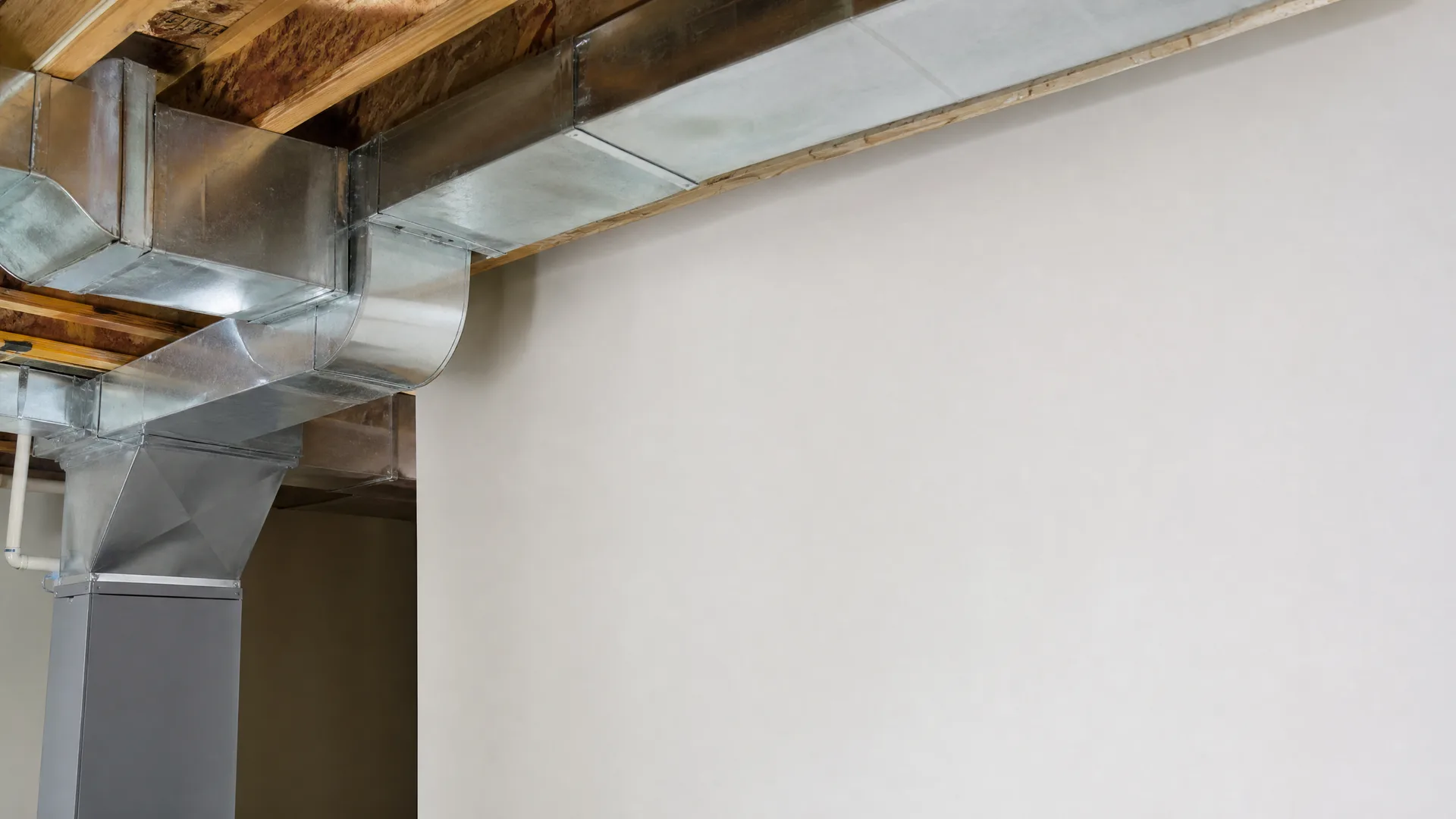
Chatham County air carries a lot of moisture most of the year. When that air passes over dusty duct walls, some of the dust settles out and holds onto that moisture. Pet hair and lint do the same thing. None of it clears out on its own, because the air moving through doesn't scrub the walls, it just rides down the middle of the duct.

Open a supply vent cover and look at the inside edge with a flashlight. If you see dark specks or a fuzzy buildup right at the opening, that same material is likely coating the duct further back where you can't see it. A musty smell when the system first kicks on is another sign, especially in a house that stays closed up through the muggy months.
A technician opens the supply and return vents throughout the house.
A negative air machine connects to the duct system and pulls air.
Rotating brushes or air whips knock dust loose from the duct walls.
Loosened debris gets vacuumed out through the negative air machine.
Half the homes here were built by 1986
Half the homes in Chatham County were built in 1986 or earlier. A duct system that old has had decades to collect dust nobody's looked at.
Heat runs November through March
Your system runs heat from November through March, about five months a year. That's five months of air pushing through whatever is sitting in the ducts.
Cooling runs May through October
Cooling runs May through October here, about six months. Between the two, there's barely a stretch when the ducts aren't moving air.
ACS 2020-2024 · NOAA nClimDiv 1991-2020




You want to know what you're paying for before a technician shows up, not after. Duct cleaning sounds simple, but the actual process has steps, and knowing them tells you whether the job done in your house was done right or rushed through.
The system gets sealed off first so dust doesn't blow into the rooms while the work happens. A negative air machine hooks to the ductwork and pulls air through it the whole time, so anything knocked loose gets pulled toward the vacuum instead of settling back down. Brushes or air whips go through the supply and return runs to break up what's stuck to the walls, since dust that's sat there a while doesn't just fall out on its own. The coil and blower housing get attention too, because dust builds up there the same way. Once the runs are clean, the technician reopens the vents and checks that airflow feels right at each one before calling it done.
After this form, you can stop searching for a duct system pro.
Get matched with a pro who works on ducts in Chatham County.
No fee to send it, and nothing to sign.


Most of this shows up as something you notice before you think about ducts at all. A smell near one vent that doesn't go away when you clean the room. A bedroom that always feels a little stale while the rest of the house feels fine. Those point to a specific run of duct, not a system-wide problem, and that matters because it changes what gets cleaned and what doesn't. The system itself can tell you something too. If it's running longer than it used to, or cycling on and off more than it should, that can mean air isn't moving through the ducts the way it's supposed to. Dust is another tell. If a room collects a visible layer again within a day of cleaning it, the ducts feeding that room are likely putting it back. And if someone in the house only starts sneezing or wheezing once the AC or heat turns on, that's worth paying attention to, because it's tying a health symptom directly to what's coming out of the vents. None of this gets better by waiting. A mold smell in one duct run today is a mold smell in more of the system later.


If nobody's seen dust, no musty smell, no allergy flare-ups, cleaning now buys you a clean report and not much else. Your money, your call.
Dust at the vents, a musty return, or a bedroom that never feels as cool as the rest of the house. These are things a technician can actually find and fix.
Power in Chatham County runs about 16.10 cents a kilowatt-hour. Your air handler is pushing air through those ducts most of the year to earn that bill, and if dust and debris are choking the branches, the system works harder than it should to move the same air through your house.
EIA-861 2025
So the answer is the one you came for: it depends on what your ducts are actually doing, not on how long it's been since the last cleaning. If you've noticed dust around the vents, a musty return, or breathing that gets worse when the system kicks on, that's a real reason to get them looked at. If none of that is happening, a clean system doesn't need work just to have it done. Chatham County's humidity is the reason this isn't a small question here. Dust alone is just dust, but dust sitting in a duct with moisture in the air has what it needs to turn into mold, and that changes what you're breathing every time the air handler runs. A technician can walk through your house and tell you in one visit whether what you're noticing is actually coming from the ductwork or from something else, like a dirty filter or a coil that needs attention. That's worth knowing either way, because it tells you where to put your money instead of guessing. Once you fill out the form, the work of finding someone stops being something you have to manage. You've already done the hard part, which was figuring out whether this is worth looking into. What happens next is someone else's job to sort out, and you'll hear from a contractor who can tell you what's going on in your own ducts.
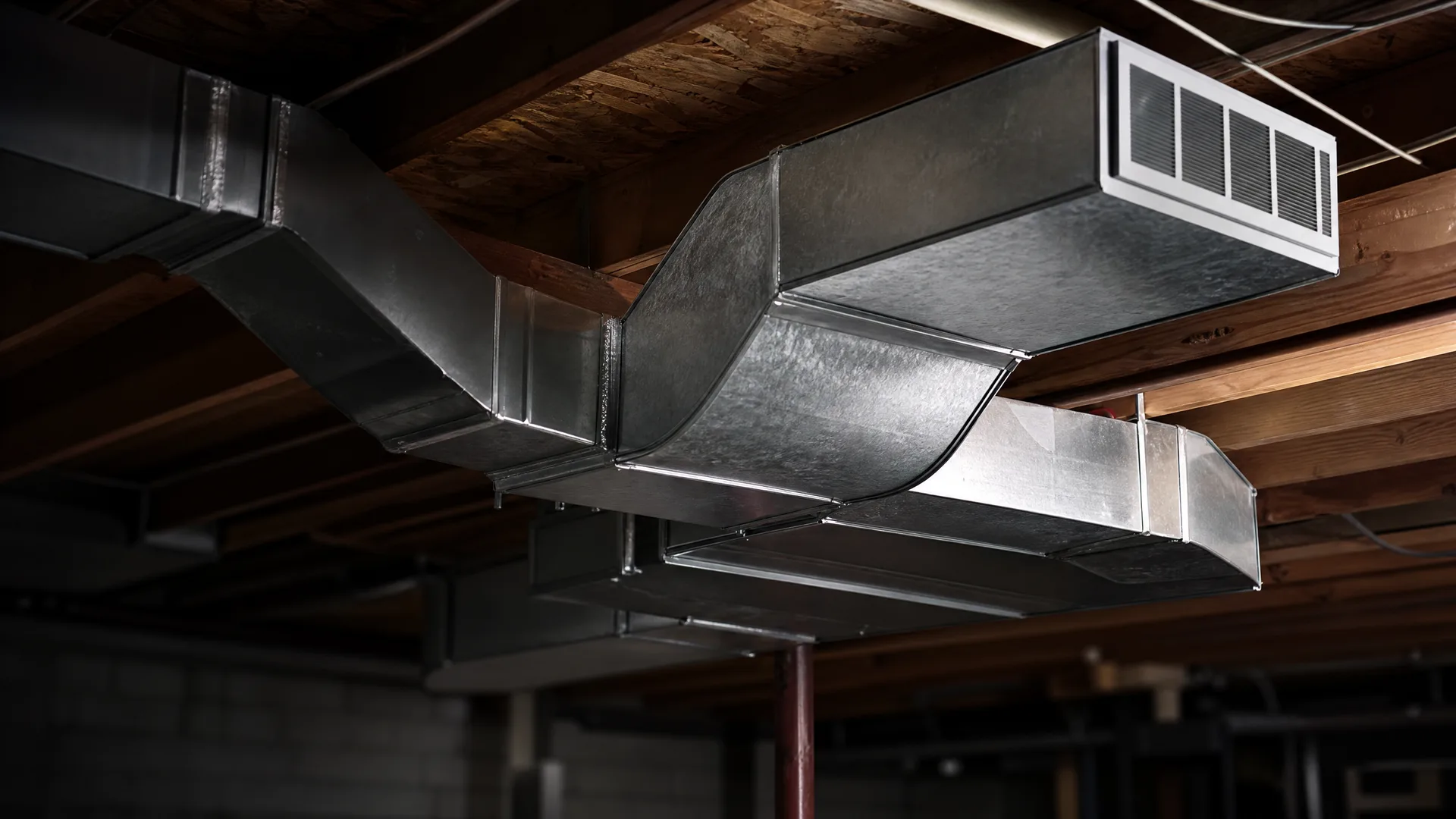
A duct system pro near you