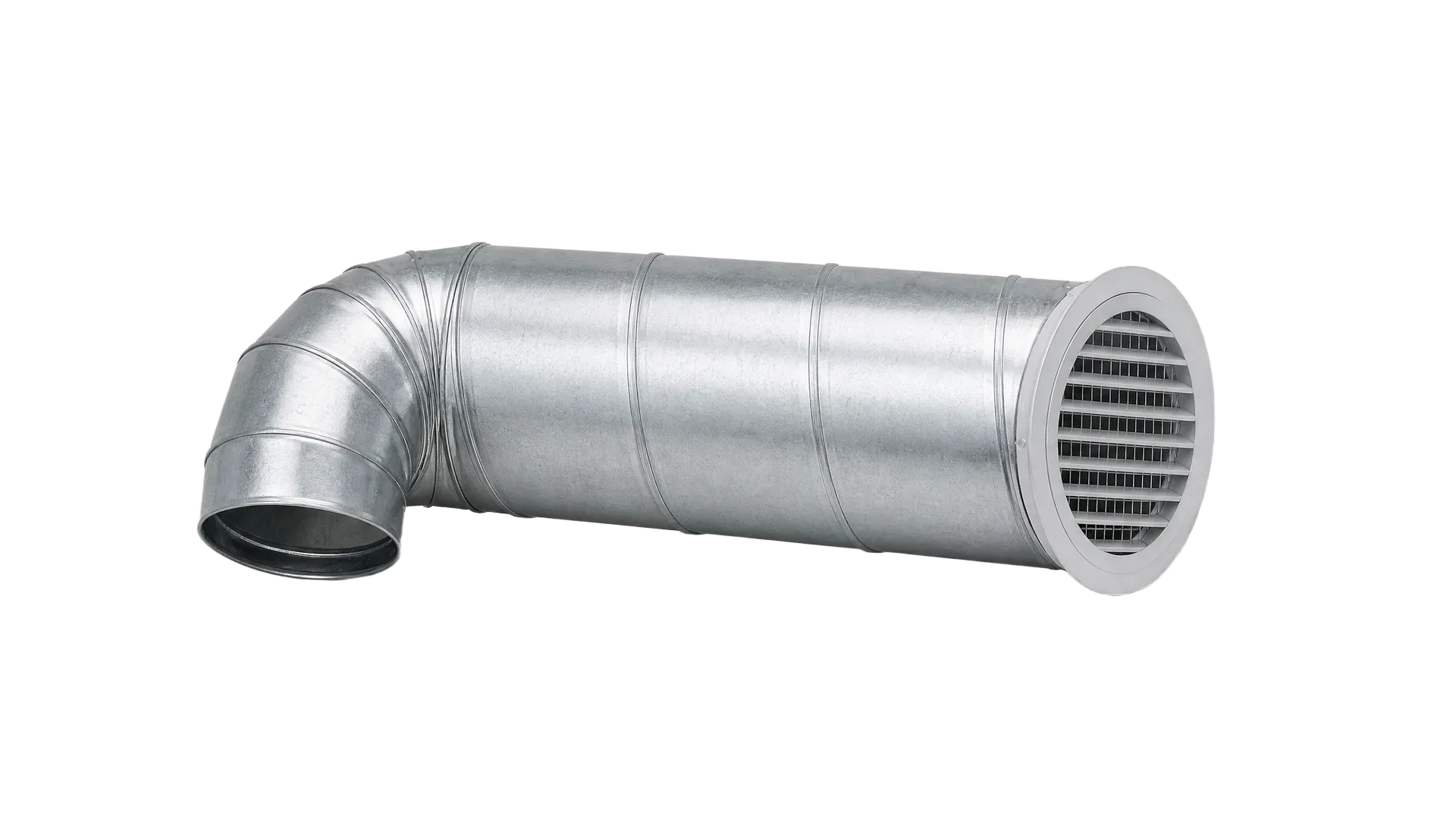
Ducts moving clean air
This is what a duct system looks like when it isn't working against you. Air moves through the metal, down through the joists, into the rooms above, without dragging along what built up on the inside of the pipe.
Humid air and pollen are both part of life in Georgia, and if someone in the house is sneezing, stuffed up, or wheezing more than usual, it's natural to wonder if the ducts are holding onto dust, pollen or mold and pushing it through the house every time the system kicks on. Before paying for a duct cleaning, you want to know if it actually touches the allergy problem.
Duct cleaning removes dust, pollen and mold that have settled inside the ductwork, and if that buildup has been getting blown into the rooms, clearing it out can mean less for you to breathe. Georgia's humidity gives mold more chances to grow inside ducts than it would in a drier climate, especially where moisture collects near the coil or in a crawl space run. But if your ducts are clean, cleaning them again won't change how your allergies feel. A dirty filter or a leaky duct pulling in attic or crawl space air is just as likely to be the real source, so the ducts are worth checking before you assume they're the cause.

Pollen season has been bad this year, and you've had the windows shut for weeks. Sunday morning, the light comes in low across the living room and catches it: a gray ring of dust on the ceiling vent grille, thicker than you remembered. You run a finger along the coffee table and it comes back coated. Your daughter has been reaching for the tissue box more than usual, and you'd chalked it up to the oak trees out front. Now you're looking up at that grille, wondering how much of what's settling on your furniture came through it first, and how long it's been doing that before you noticed.
You notice it most after the air handler kicks on. A sneeze, then another, while you're sitting still on the couch. Dust shows up again on the furniture a day after you wipe it down. The grille covers have that gray fuzz along the edges, and if you pull one off, there's more built up just inside the duct than you'd expect. Georgia's humidity gives dust something to cling to, so it settles instead of staying airborne where the filter would catch it. Left alone, that buildup keeps feeding whatever's already bothering the people in your house, and it doesn't clear up on its own once the windows go back shut and the air starts recirculating the same dust.




Georgia's air hands your ducts a lot to carry, pollen counts that spike for weeks, humidity that lets dust and mold spores cling to everything they touch. If your system's been pushing that through the same ducts for years without a cleaning, it's reasonable to wonder what's built up in there and whether it's part of why someone in the house keeps sneezing. A local contractor who works on duct systems through Georgia's pollen seasons knows what tends to collect in them here and can look at yours directly instead of guessing from a description over the phone. Sending the request means one contractor gets your situation, not a pile of calls from several companies competing for the job. From there, you're not the one tracking down who's available or who knows this kind of system. That part moves off your plate, and you can get back to dealing with the sneezing instead of the search for who to call about it.

This is what a duct system looks like when it isn't working against you. Air moves through the metal, down through the joists, into the rooms above, without dragging along what built up on the inside of the pipe.

Same layout, same branching metal overhead, but years of pollen and dust have settled inside these runs. Every time the system kicks on, it pushes that straight into the rooms you breathe in.



This is a duct system doing its job. Air moves out of the furnace, through the metal trunk lines, and up into the rooms above. Nothing catches on the inside walls of the duct on the way. Whatever's circulating through the house is whatever came in through the return, not what's been sitting in the metal.

Same kind of ductwork, same joists overhead, but years of pollen and dust have built up along the inside of the metal. Every time the blower kicks on, some of it moves with the air. It settles back on furniture, on the grille covers, in noses that are already dealing with Georgia's pollen count.


At 14.74 cents a kilowatt-hour, running your blower more than it needs to runs up the bill fast. Clogged ducts make the system push harder and longer to move the same air, and that extra runtime is what you pay for. Clear ducts mean the air handler isn't fighting itself to keep the house comfortable.
EIA-861 2025 statewide residential average
A technician seals off the supply and return vents.
A vacuum unit connects to the trunk line through a cut access port.
A rotating brush or air whip knocks debris loose inside each duct.
Negative pressure pulls the loosened dust toward the vacuum.
Duct cleaning won't stop pollen season or make Georgia's humidity any easier to live with, but it takes away one thing your ducts have been holding onto and blowing back into the room every time the air handler runs. If dust keeps showing up on the grille and someone in the house keeps sneezing indoors, clearing that out is worth doing. A local contractor who works on duct systems through pollen season and through the humid months after it knows what tends to build up in a Georgia attic run and where it collects. You'll be matched with one licensed contractor, not a handful of companies calling at once, someone who can look at your ducts and tell you plainly whether what's built up is part of what's bothering you.

Send one request and you're done looking