
Is duct cleaning worth it in Peachtree Corners, GA
Skip searching for someone who cleans ducts in Gwinnett County.
Skip calling aroundDuct cleaning is worth it when there's a real reason behind it, not as something to do on a schedule. If you've had rodents or birds in the attic, a recent renovation that left drywall dust in the system, or you can see mold growth inside the ducts themselves, cleaning them solves a problem you can point to. Long, muggy summers in Gwinnett County mean the air conditioner runs for months with the house closed up, and whatever is circulating through those ducts gets breathed over and over during that stretch. Cold winters bring the furnace on for its own long run, pulling air through the same ducts the other direction. Without one of those specific problems, dust buildup alone usually isn't worth paying to remove. The better first step is often a look inside the ducts to see what's actually there before deciding anything needs doing.
How much work does your duct system really do each year?
Half the homes here were built by 1996
Half the homes in Gwinnett County were built in 1996 or earlier. An older house has had more years for dust, insulation fibers, and whatever got into the attic to settle in the ducts.
Heat runs November through April
Heat runs November through April here, about six months. That's six months of air moving through the same ducts, carrying whatever is sitting in them into every room.
Cooling runs May through September
Cooling runs May through September, about five months. Add the two together and your system is pushing air through those ducts most of the year.
ACS 2020-2024 · NOAA nClimDiv 1991-2020
Dusty ducts and dirty ducts aren't the same thing. Dust on a register or a thin film on a duct wall is normal and doesn't mean the whole system needs a cleaning.
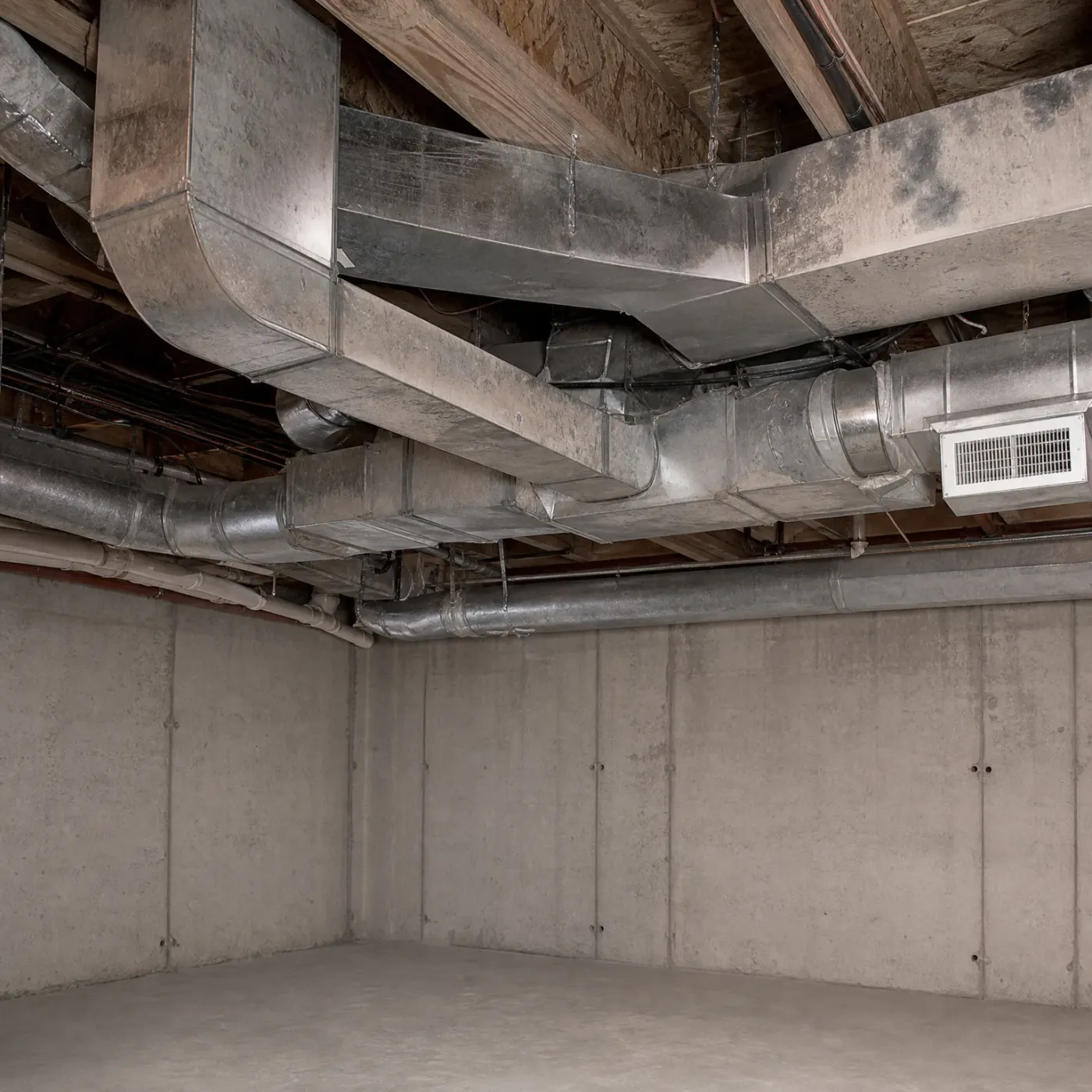
What calls for it is something specific: droppings or nesting material from an animal that got into the ductwork, visible mold on the inside surfaces, or debris left behind after construction work. Without one of those, cleaning won't do much.




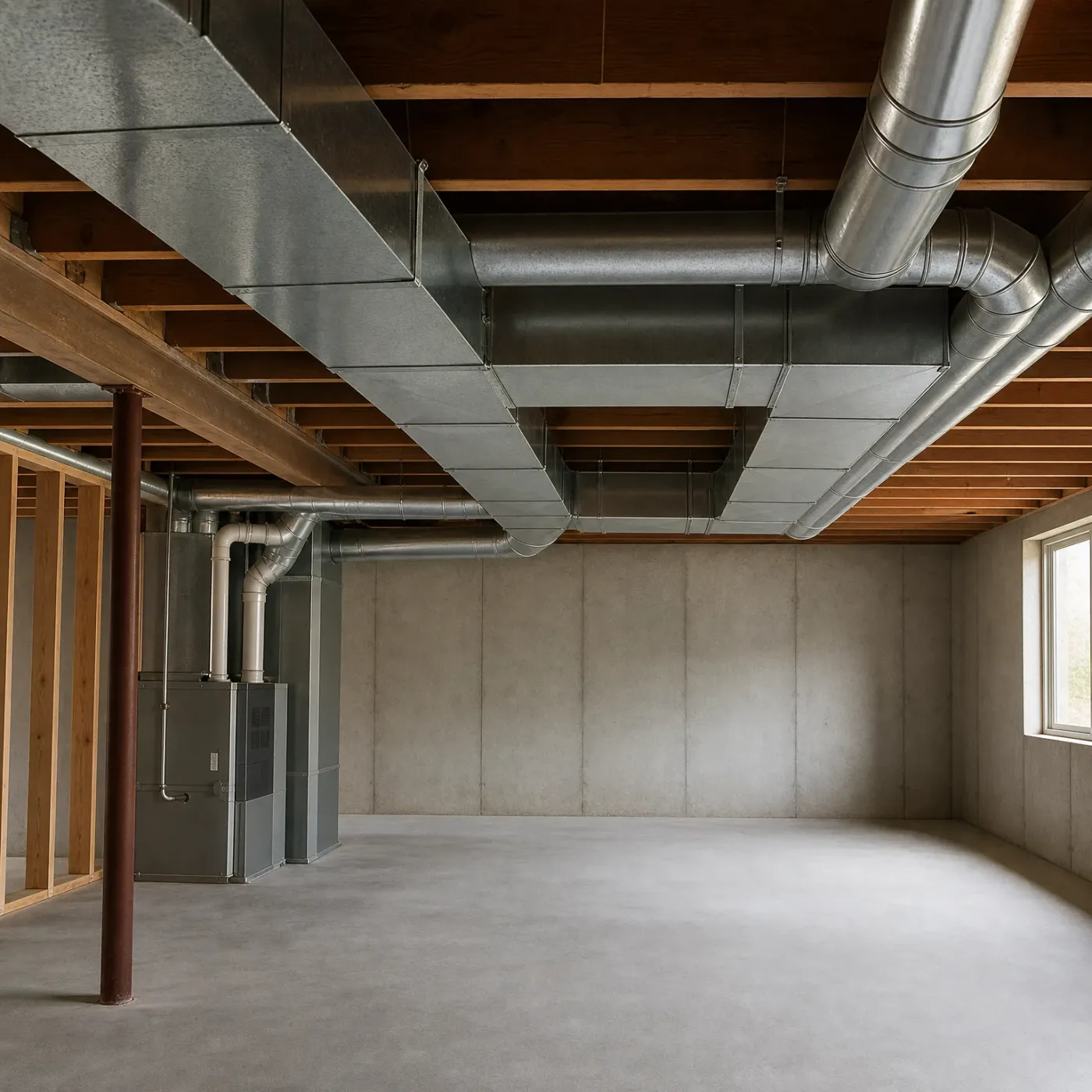
The work moves in one direction, from the supply registers through to the return side near the air handler. A vacuum collection unit hooks up to the trunk line and puts the whole system under negative pressure, so whatever gets knocked loose pulls out through that connection instead of settling further down the line. To loosen what's stuck to the duct walls, a technician runs a brush or an air whip through each branch before the vacuum pulls it out. Getting the registers and grilles off isn't just cleanup. It lets the technician actually see how much is in there and clean the full run, not just what's reachable from the opening. The coil and blower inside the air handler need their own pass, since the duct vacuum isn't built to reach that compartment. And because the system holds pressure while it's open, a tech can catch a leak or a disconnected run that a visual check through a register would never show.
How a duct cleaning actually works
- A duct cleaning works from one end of the system to the other, starting at the supply registers and finishing at the return side near the air handler.
- A technician puts the system under negative pressure with a vacuum collection unit connected at the trunk line so loosened debris gets pulled out instead of pushed deeper in.
- Agitation tools, usually a brush or air whip run through each branch line, knock dust and debris loose from the duct walls before it gets vacuumed out.
- The supply registers and return grilles come off so each run can be cleaned and so the technician can see how much debris is actually in there.
- The coil and blower compartment inside the air handler get cleaned separately, since the main duct vacuum doesn't reach that part of the system.
- A sealed system holds pressure during cleaning, so a tech checking for leaks or disconnected runs while the ducts are open catches problems a visual check from a register would miss.
What a Dirty System Costs You
- A raccoon or squirrel that got into the attic can leave droppings and nesting material that drop straight into the supply runs.
- Drywall dust from a recent remodel settles into the ducts and gets pushed back into every room until the system is cleaned.
- Mold inside a duct means every time the blower kicks on, it's moving spores through the house you live in.
- A system that's actually contaminated can leave dust on furniture and surfaces faster than normal, even right after you clean.
- Someone with allergies or asthma in the house will likely notice a dirty duct system before anyone else does.
- Ignoring a real contamination problem doesn't make it go away, it just means the air handler keeps circulating it through your home.
When there's a real reason behind it, a dirty duct system doesn't just sit there quietly. It shows up in the house. Animal droppings or nesting material from the attic don't stay in one place once the blower starts pulling air through the supply runs. Drywall dust from a remodel works the same way, settling in the ducts after the job is done and then getting pushed back out into every room for months afterward. If mold has started growing on a duct wall, the air handler is moving spores every time it cycles on, which means it's moving through the rooms you spend your evenings in. You might notice it as dust that comes back fast, settling on furniture and shelves again just days after you've wiped it down. Anyone in the house with allergies or asthma is often the first to pick up on it, even before it's visible anywhere else. None of this resolves on its own. A contaminated system keeps circulating whatever is in it, every time it runs, whether that's this week or next winter. The system doesn't clean itself out over time, and the problem doesn't get smaller the longer it's left alone. If one or more of these signs matches what's going on in your house, that's the point where a cleaning has a job to do, not before.
No calling every shop in Gwinnett County

The pro who gets in touch is licensed in Georgia and works in Gwinnett County.
No fee to send it, and nothing to sign.
What the vacuum unit does
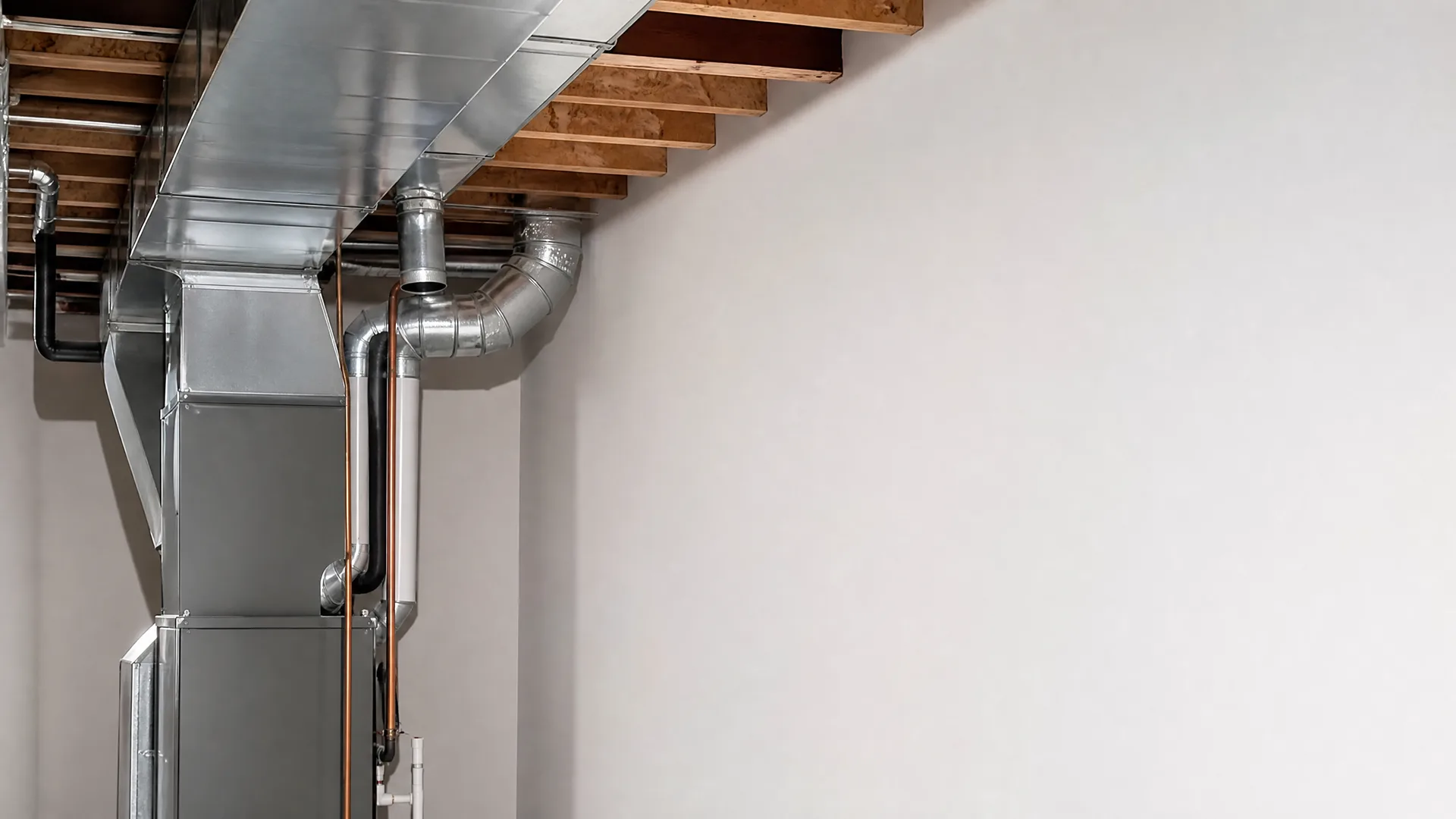
The negative pressure keeps everything that gets knocked loose, dust, insulation fibers, droppings, inside the duct and moving toward the collection unit instead of out through a register into the room. A tech works each line with a brush or air whip while the vacuum stays connected at the trunk. Skip that step and you've just stirred up what was sitting there and sent part of it into the house instead of out of it.
Where the system connects
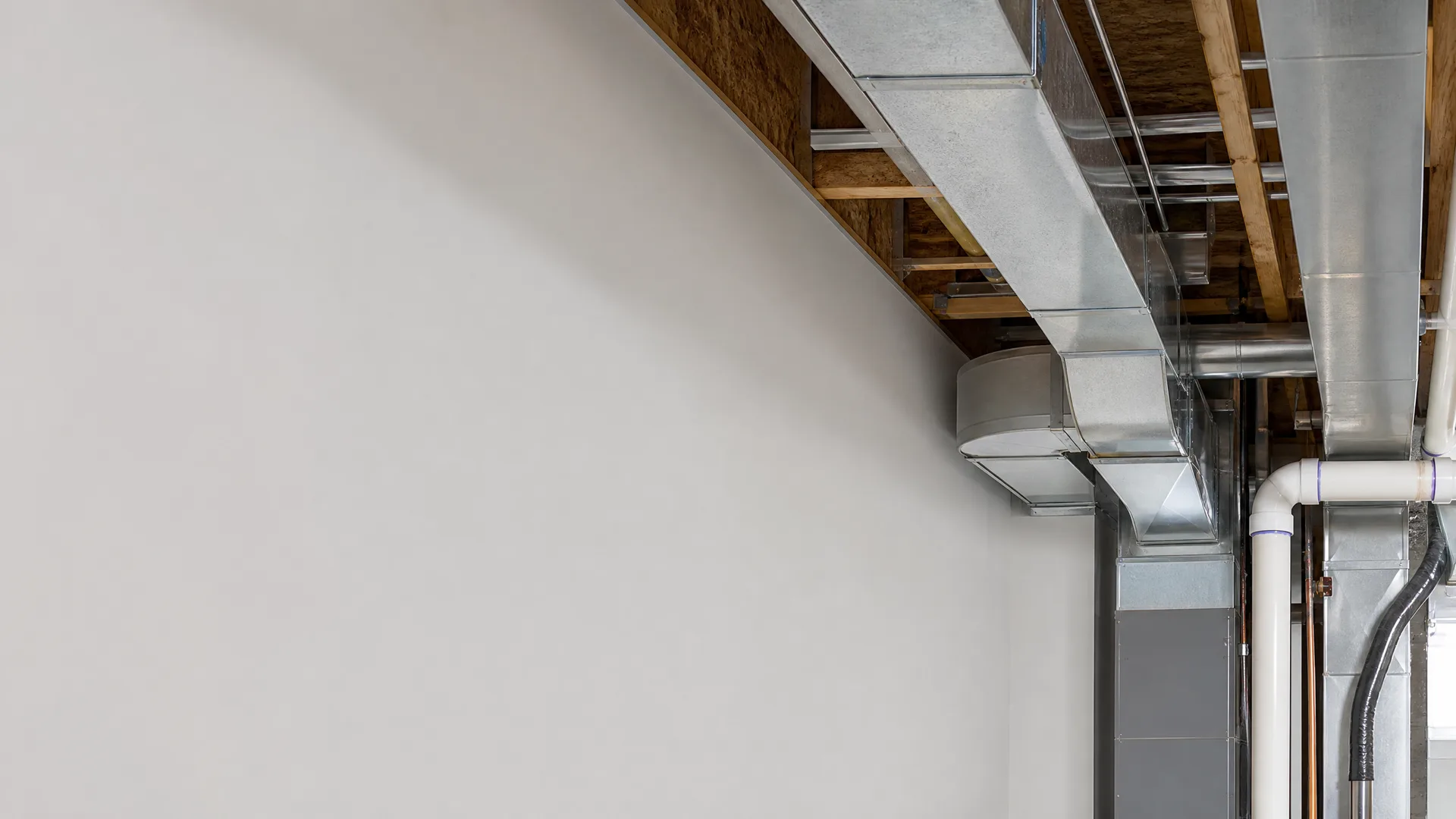
Supply runs and return runs meet at the air handler, so a contractor working one end affects what shows up at the other. A return plenum full of dust feeds that dust across every supply run in the house every time the blower kicks on. That's why the job starts at the registers and finishes at the return near the air handler, not the other way around. Leaving the return half done means the supply side picks up dirt again within months.
How does a technician know when the ducts are actually clean?
You've seen what the vacuum setup does and how a tech works each line with a brush or air whip, but at some point the job has to be done. It's a fair thing to wonder, since there's no register you can look through to check the far end of a duct run. You want to know what actually tells the tech to stop, not just when they decide to.
A clean duct shows bare metal, not a guess
A tech checks the inside of the duct with a flashlight and a mirror, or a camera on longer or harder to reach runs, after each section has been brushed and vacuumed. Bare metal means the run is done. If there's still a film of dust or any debris caught in a seam, that section gets worked again before the tech moves to the next one. The same check happens at the return side near the air handler, since that's where air comes back into the system and where debris tends to collect if a run upstream wasn't fully cleared. Nothing gets called finished off a schedule or a guess.


Hiring someone for a one-time job
When something turns up that calls for duct cleaning, like evidence of rodents or a load of drywall dust from a remodel, the usual route is finding someone who does this work. That means searching for contractors who service ducts in Gwinnett County, calling a few, explaining what you found in the attic or what the remodel left behind, and waiting on quotes to see who actually answers. Some companies that clean ducts don't do the specialty work a mold problem or an animal intrusion calls for, so you're also sorting out who's qualified before you even get to a price. It's easy to lose an evening to this before a single truck shows up.
Getting matched with one contractor
Submitting a request here sends your situation to one licensed, local contractor instead of putting your name out to several companies at once. You describe what you found, the droppings, the dust, the mold, and the contractor who gets it is someone who works on duct systems in this area regularly and has seen what a squirrel in the attic or a drywall remodel leaves behind. There's no explaining the problem over and over to different voices, no stack of quotes to compare line by line. You skip the search and the sorting and get to the part where someone who knows what they're looking at comes to look at it.
Power here costs 14.13 cents per kilowatt-hour
At 14.13 cents per kilowatt-hour, every degree your blower has to push through clogged ducts shows up on the bill. A system moving air through blocked or dirty runs works harder to hit the same temperature, and that's the air handler and blower motor drawing power the whole time.
EIA-861 2025

Registers come off first so the tech can reach the runs.
A vacuum collection unit hooks up at the main trunk line.
Negative pressure holds loose debris inside the duct, not your room.
A brush or air whip knocks dust and buildup off the walls.

Worth it when there's a reason, not a date on the calendar
Duct cleaning in Peachtree Corners is worth it when something specific points to it: rodents in the attic, drywall dust from a remodel, mold growing inside the runs themselves. Without one of those, the ducts moving air through your house all summer and all winter are probably doing their job fine. That's the whole answer. What it takes is knowing which one applies to your house, and that's the part a technician checks by pulling a register and looking.
If you've got a reason, the next step is just finding someone who'll look at your system instead of guessing from a phone call. That usually means searching for duct cleaners near Peachtree Corners, calling a few, explaining the same thing about the attic or the remodel to each one, then sitting on quotes trying to tell them apart. Request service here and that work is done. One local contractor who deals with Gwinnett County duct systems all year gets your information, not three or four companies working you at once.

Skip the search