Three to five years without cleaning
Dust keeps building on the inside walls of your ducts, fed by the moisture your AC pulls out of the air all summer. Every room on that system gets a little dustier, a little slower to cool.
Explain it one time
Muggy summers push a lot of moisture through your ductwork, and that changes how often it needs attention compared to a drier climate. This page gets into what actually builds up inside your ducts here and what that means for your schedule. Skip the search for a local contractor, the phone calls, and repeating your situation to five different companies for quotes.
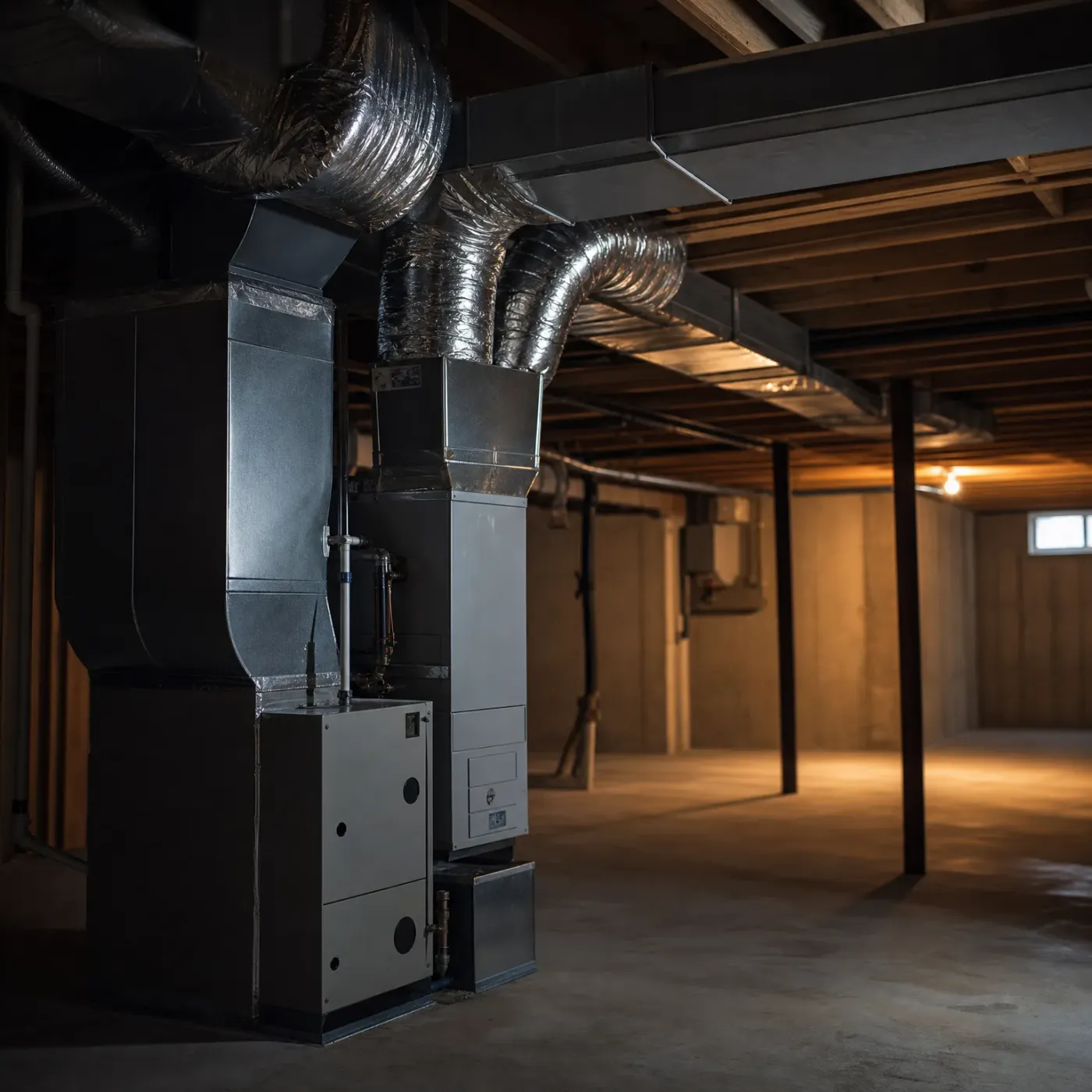
Skip the callsMost homes in Georgia should have their air ducts cleaned every three to five years. The humidity here is the reason. Air conditioners run most of the year pulling moist air through the system, and that moisture gives dust and debris something to cling to instead of just blowing through. Homes that lean toward the three-year mark usually have pets, allergy sufferers, or a system that runs close to year-round. If your ducts came with the house and nobody has looked at them, that's worth checking regardless of the calendar. Signs you shouldn't wait for a schedule: dust that resettles within a day or two of cleaning, musty air when the system kicks on, or rooms that seem to collect more dust than others. A duct system that's been sealed and inspected recently can often stretch toward the five-year end. One that hasn't been looked at in a while, especially in a humid climate like this, is more likely due sooner than later.




Your air conditioner cools air by passing it over a cold coil, and that coil collects condensation the whole time it runs. Some of that moisture ends up on the inside walls of your ducts, not just the drain pan. Dust that would stay loose in a dry duct sticks to a damp one, and it builds up layer by layer. In a drier state that dust might just blow through to the filter. Here, enough of it stays behind that it can narrow the airflow path over a few years, and that's the buildup a cleaning removes.
Three to five years is the range for a typical system, but what's inside your ducts matters more than the calendar. If you can see dust kicking up near a vent when the air kicks on, or if a musty smell shows up when the AC runs, that's debris or moisture already built up enough to notice. A system that runs nearly nonstop through a Georgia summer is pulling more air, and more moisture, through the ducts than one that cycles on and off in milder weather, so it can reach that point before the five-year mark.


Dust keeps building on the inside walls of your ducts, fed by the moisture your AC pulls out of the air all summer. Every room on that system gets a little dustier, a little slower to cool.
Air moves through clean ductwork instead of over built-up dust and debris. Your vents put out the air your system is actually paying to cool or heat, without that layer working against it.




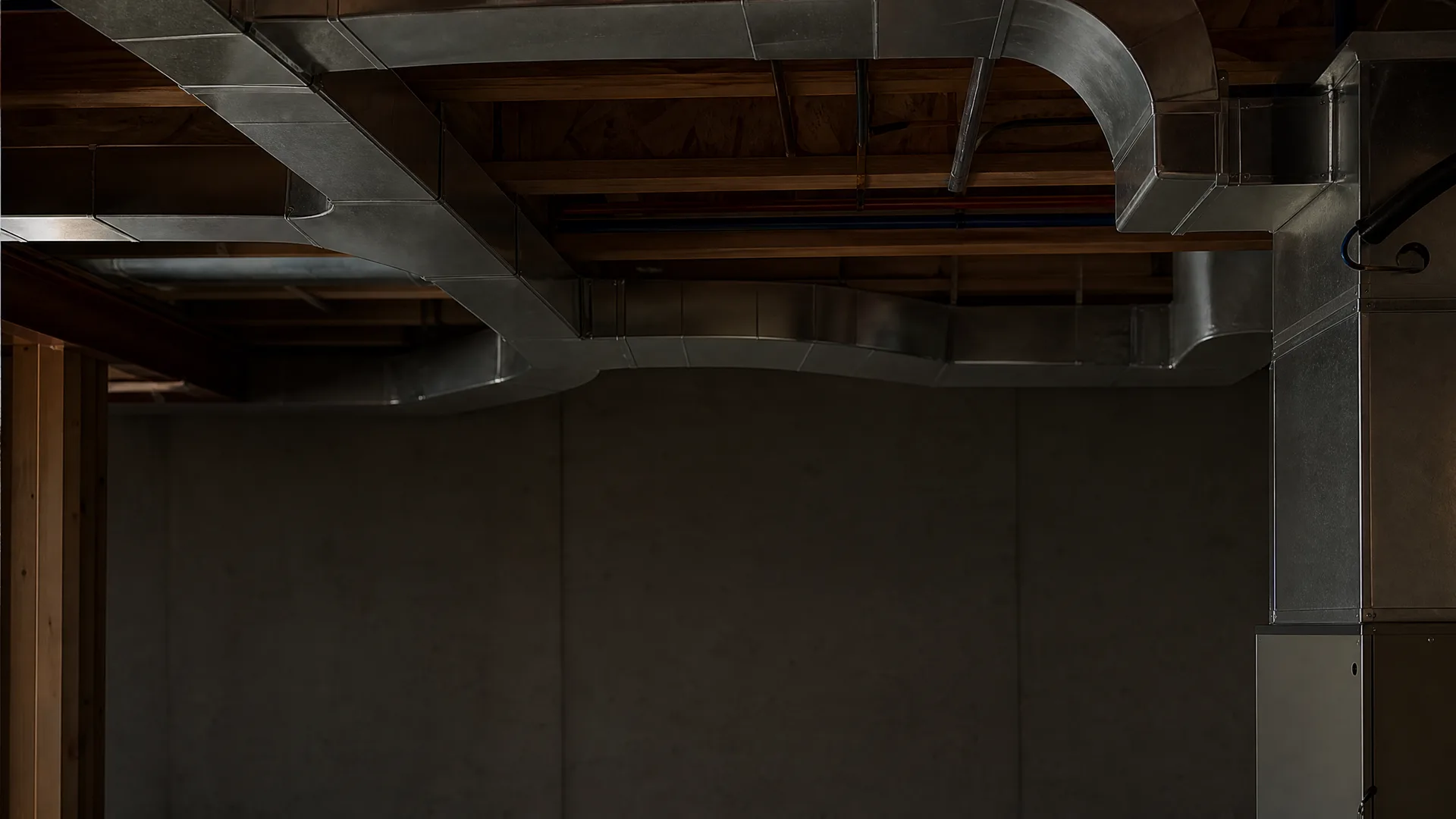
Checking your own ducts means climbing into the attic or crawlspace with a flashlight, and most people don't know what a dusty run looks like compared to one that needs attention now. Finding someone to do the work right means calling a few companies, explaining your system and your house, and waiting on quotes that are hard to compare because you don't know what a fair job even includes. A request here goes to one licensed contractor who works in Georgia homes all season and has seen what three or five years of humidity actually does inside a duct system, so you're not fielding calls from five companies trying to sort out who's worth trusting. If your ducts are past due, or you're just not sure where you stand on that three to five year window, that's worth sorting out before another summer of moist air runs through them.
A house with one person home most of the day collects dust slower, and the ducts can often wait the full five years without much argument.
A house with pets, kids, or three or four people running the AC all summer loads the ducts faster, and three years is the safer mark to work from.
Georgia homes paid 14.74 cents per kilowatt-hour in 2025, close to the national average. Dusty ducts make your system work harder to push air through, and that shows up on your power bill whether the rate is high or not. Keeping the inside of your ductwork clear is one way to keep that cost from creeping up.
EIA-861 2025 statewide residential average

It's a spring afternoon and the light coming through the window lands on the couch below the ceiling vent. You notice it when you're straightening the cushions: a gray film settled into the fabric, right under the grille. You look up and see the vent cover itself, dust furred along the slats, thicker than you remembered from last year. The AC hasn't even kicked into its summer run yet. You run a finger along the grille and it comes away gray. The room looks clean otherwise, floors swept, surfaces wiped, but this one patch keeps coming back no matter how often you vacuum the couch. You stand there a second longer, looking up at the vent, before you go back to straightening the cushions.

Georgia's humidity is the reason the number isn't longer. Your air conditioner runs most of the year pulling moisture out of the air, and that moisture is what lets dust settle and build along the inside of your ducts instead of just blowing through. Three to five years holds for most homes here. Fewer people in the house, lighter dust, you can lean toward five. Pets, kids, or an AC that barely shuts off all summer, three is closer to right.
Finding someone qualified to look at your system usually means calling around, describing the same dusty vents and gray film to each one, then sitting with a stack of quotes trying to tell them apart. A local contractor who services ductwork all summer in homes dealing with the same humidity already knows what three to five years of Georgia moisture does to a duct run, and what's worth checking first. One contractor means one visit, one quote, one person who already knows what they're looking at before they get there.

Your request goes to one pro, not a list of companies.