Heat Pump Repair in Covington, GA
Homes here need heat from November through March and cooling from May through September. If your system quits, tell us what it's doing and a licensed contractor who covers Newton County will get in touch.
Tell us about the job
It takes about a minute.
Ten months of work a year on your heat pump
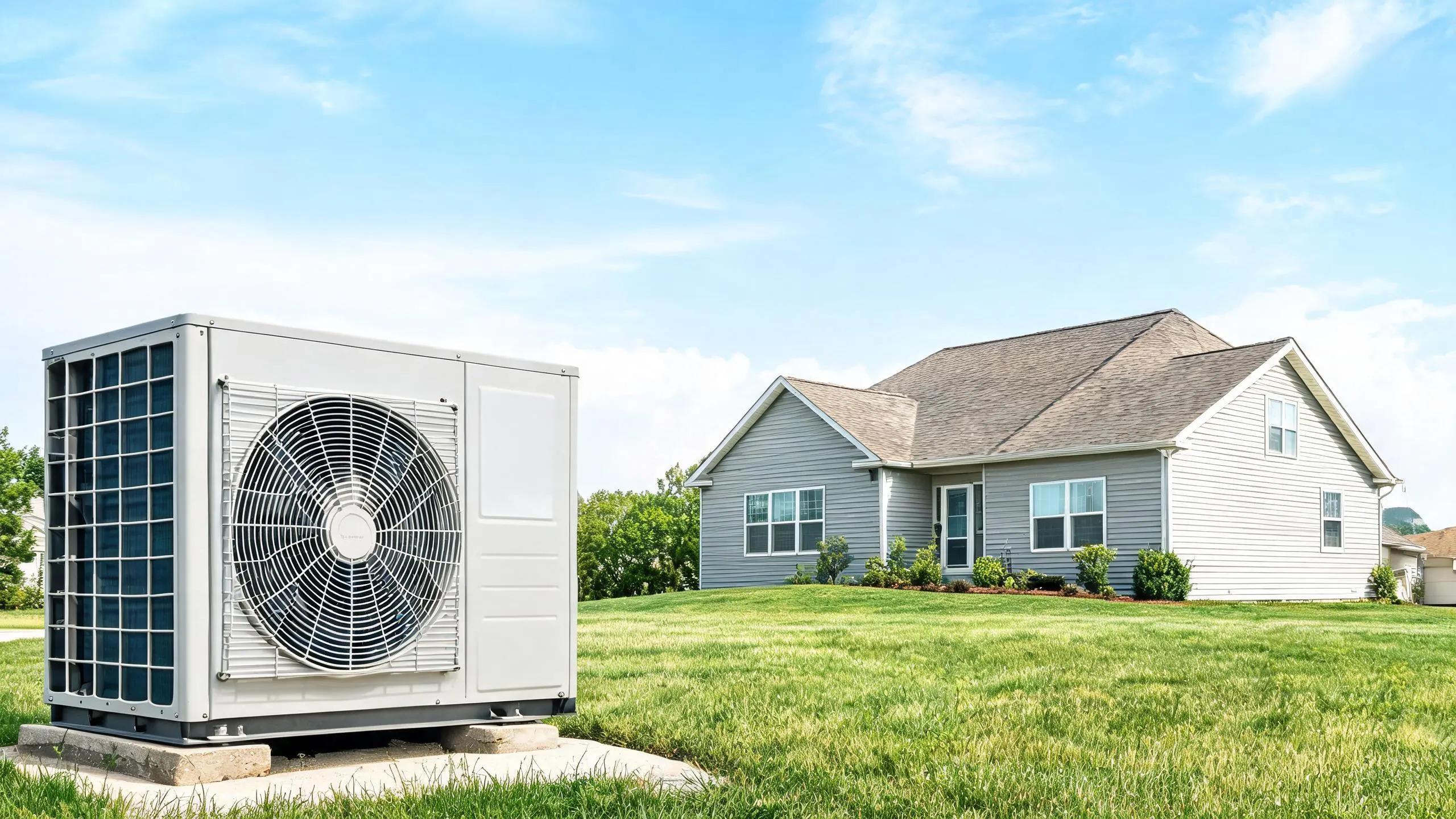
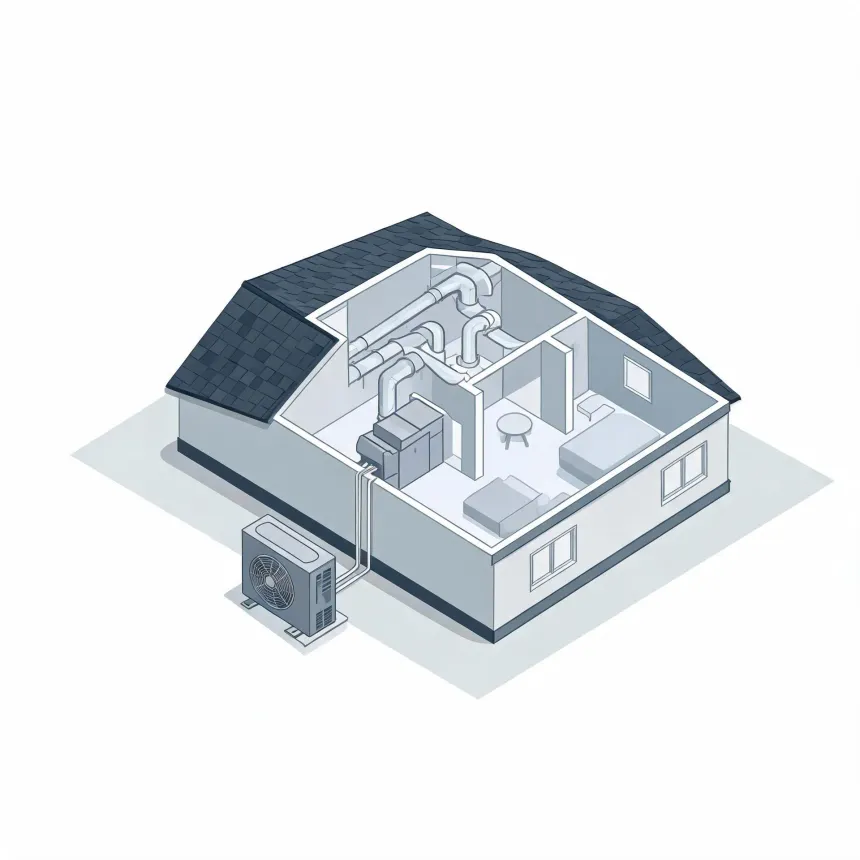
Your heat pump runs from November through March to heat the house, then switches over in May and runs through September to cool it. Ten months of the year, it is doing one job or the other. That is more run time than a furnace or an air conditioner alone would ever see, and it means more hours on the compressor and more cycles on the reversing valve, the part that switches the system between heating and cooling.
Winter nights here average 35°F, mild enough that the heat pump can usually keep up without help. But 39 damaging wind events over the past ten years mean the outdoor unit takes a beating sitting outside. Wind-driven debris can bend the fins on the outdoor coil or knock the unit out of level, and in a state where 31% of households lost power for a day or more in 2024, a heat pump that does not restart on its own after an outage leaves a house with no heat or no cooling until someone resets it.
- 5 months
- November through March, your system heats
- 5 months
- May through September, it cools
- 35°F
- the average winter night it heats against
- 89°F
- the average summer afternoon it cools against
NOAA nClimDiv, 1991–2020 normals
Georgia requires HVAC contractors to hold a state license.
The license comes from the State Construction Industry Licensing Board. It belongs to the contractor, not the job, so it stands behind the business doing the work rather than this one repair.
A heat pump repair almost always means opening the refrigerant side of the system. That work falls under a separate federal rule. Any technician who touches the refrigerant lines has to hold EPA Section 608 certification, in Georgia or any other state. So on this job, two things stand behind the person at your door. The state license puts the contractor on record. The federal certification says they are allowed to handle the refrigerant itself.
Source: Georgia Secretary of State
- Why is my heat pump blowing cold air?
- In defrost mode, a heat pump runs the outdoor coil in reverse to melt off ice, and it feels cold at the vents while that happens. That is normal for a few minutes at a time. If cold air keeps blowing for long stretches, or the air never warms back up, the reversing valve may be stuck or the unit is low on refrigerant. Either one needs a licensed contractor to check.
- Why is there ice on my heat pump?
- Some frost on the outdoor unit in winter is normal, and the system clears it on its own during a defrost cycle. Ice that stays thick or covers the coil solid is different. That usually points to low refrigerant, a dirty coil, or a fan that has stopped moving air across it. Winter nights here average 35°F, cold enough for frost to build fast if something is already wrong with the unit, so get it looked at rather than waiting for warmer weather to melt it off.
- Why is my heat pump running but not cooling?
- If the unit is running but the air coming out is not cold, start with the filter. A clogged filter chokes off airflow across the indoor coil and can ice it over, which stops cooling even though the system keeps running. Check the outdoor unit too. Leaves, grass clippings, or anything pressed against the coil will do the same thing from the other side. With summer afternoons here reaching 89°F, a system fighting bad airflow can run for hours without actually cooling the house. If the filter and outdoor coil are both clear, the problem is likely refrigerant or a component a licensed contractor needs to diagnose.