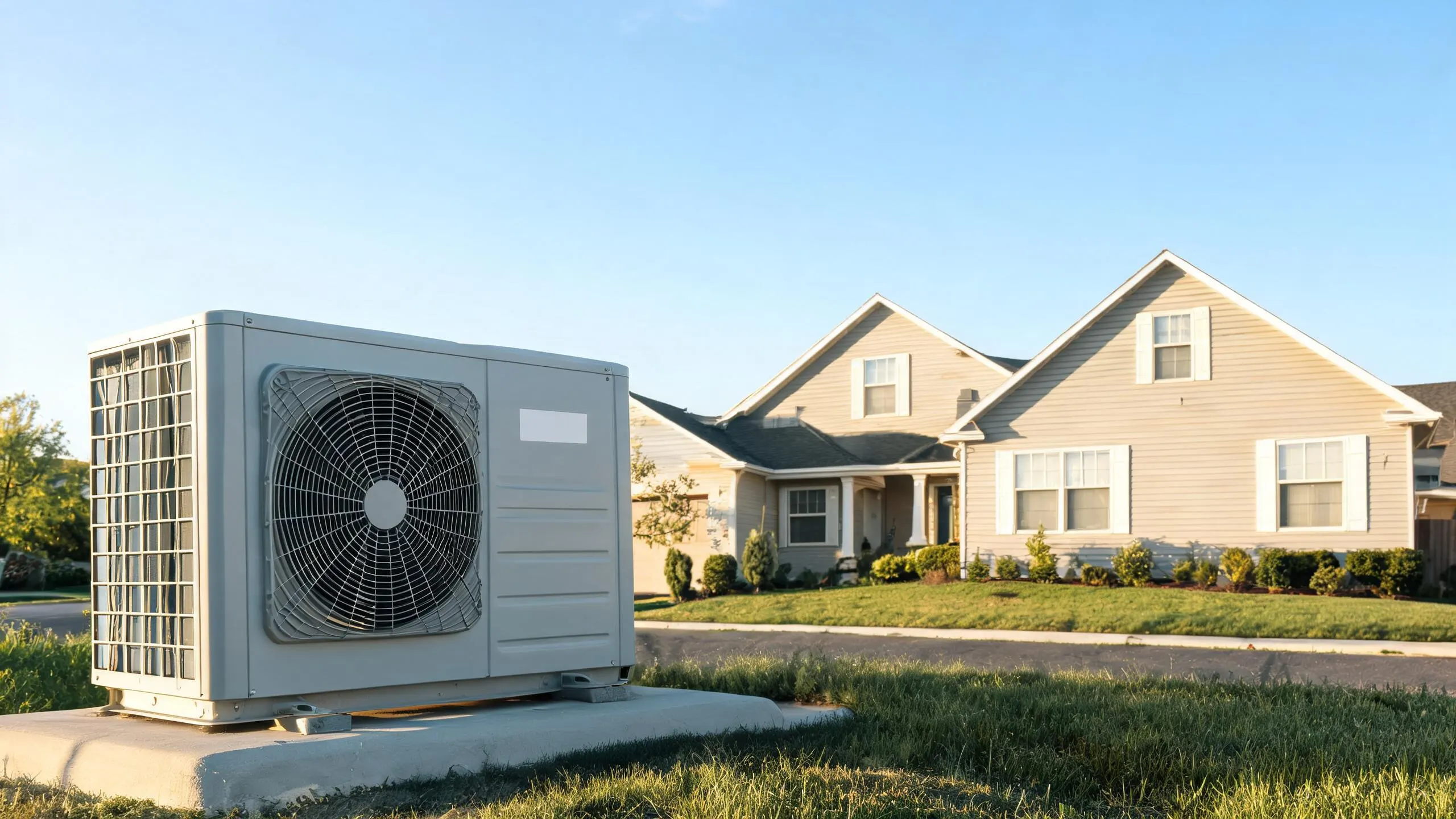
Heat Pump Repair in Stockbridge, GA
Homes here need heat from November through March and cooling from May through September. If your system quits, tell us what it's doing and a licensed contractor who covers Henry County will get in touch.
Tell us about the job
It takes about a minute.
Ten months of work a year on your heat pump in Stockbridge
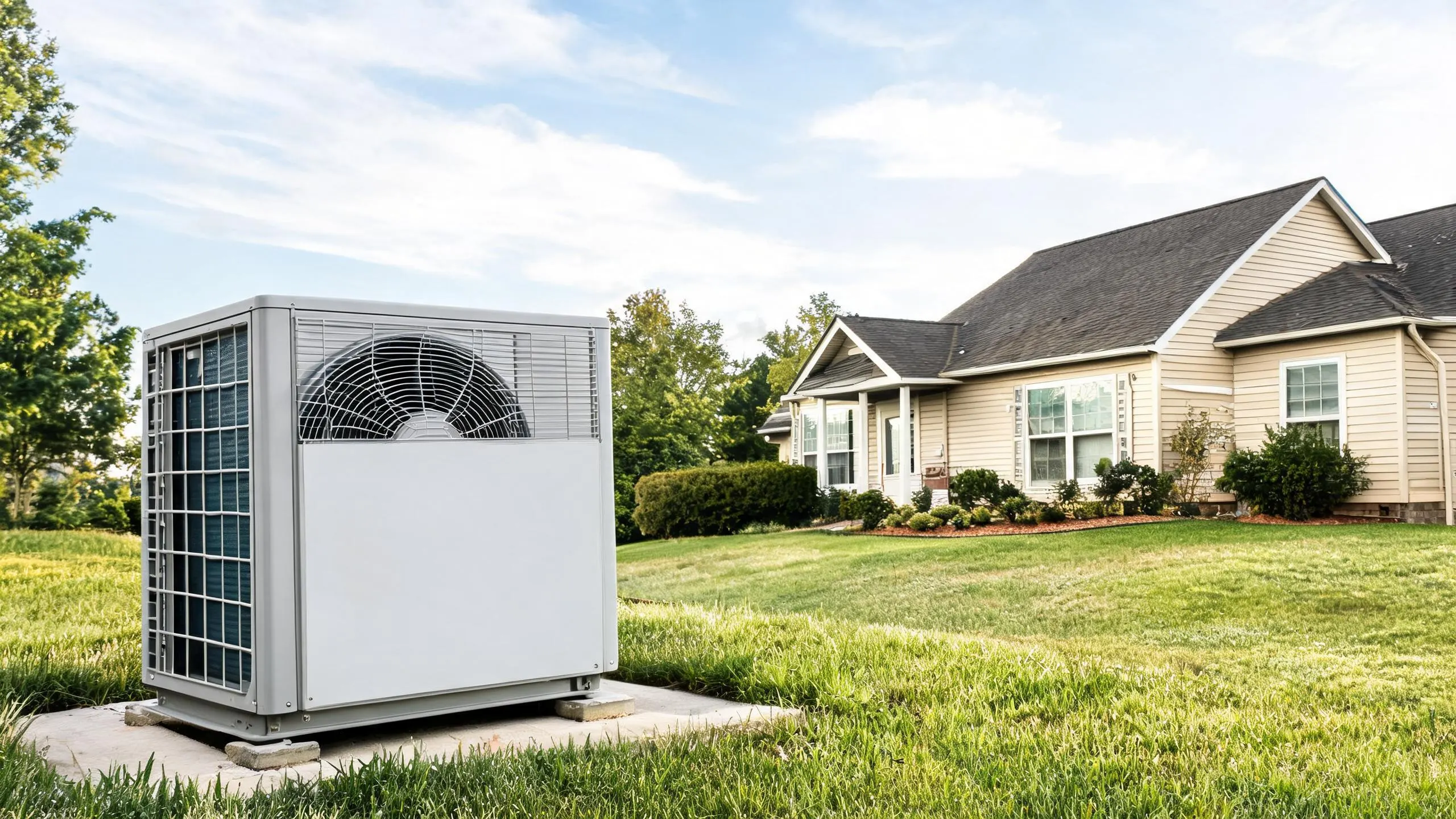
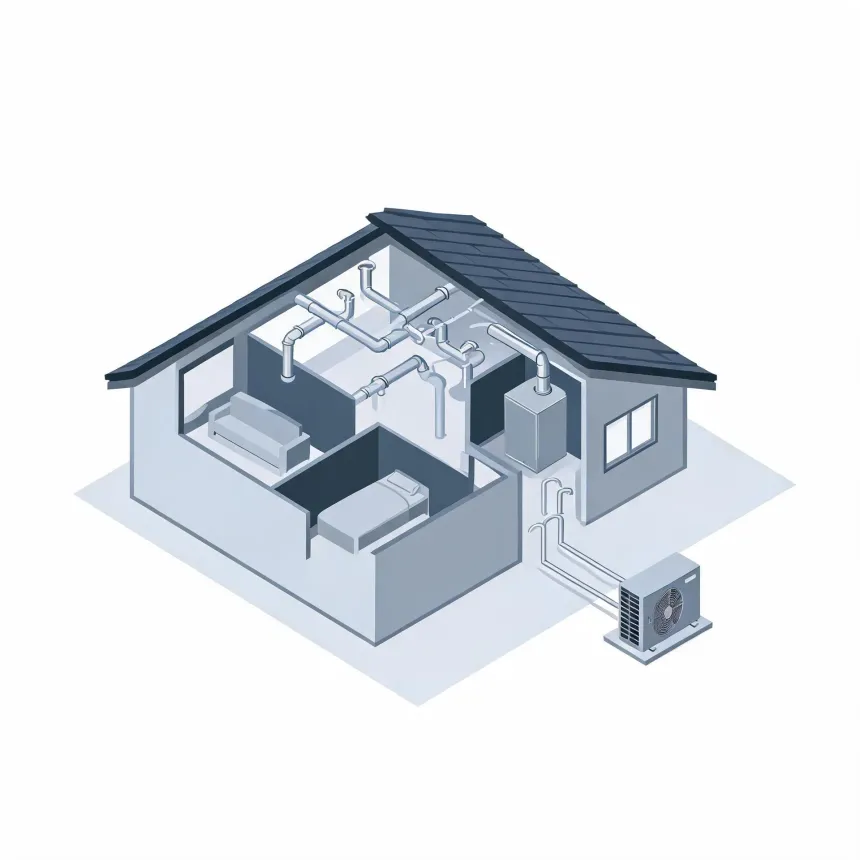
Your heat pump runs from November through March to keep the house warm, then switches over and runs May through September to keep it cool. That is ten months a year with almost no rest. Winter nights averaging 35°F do not push the system as hard as a real cold snap would, but it still cycles on and off all night, and summer afternoons averaging 89°F push the compressor hard on the other end.
That back and forth between heating and cooling modes puts real wear on the reversing valve, the part that switches the system between the two jobs. When it starts to stick or fails outright, you will notice the heat pump blowing cold air when you need heat, or warm air when you need cooling. Stockbridge has also seen 50 damaging wind events over the past ten years, and wind that strong can knock debris into an outdoor unit or knock it out of level, which shows up as strange noises or a system that trips off and will not restart.
- 5 months
- November through March, your system heats
- 5 months
- May through September, it cools
- 35°F
- the average winter night it heats against
- 89°F
- the average summer afternoon it cools against
NOAA nClimDiv, 1991–2020 normals
Georgia requires HVAC contractors to hold a state license.
The State Construction Industry Licensing Board tested this contractor before issuing that license, and the board keeps a record of who holds one. The license belongs to the contractor, not to this one job, so it travels with them from house to house rather than getting issued fresh for your repair.
For heat pump work specifically, whoever opens the refrigerant side of your system also needs EPA Section 608 certification, which is a federal requirement in every state regardless of what Georgia does on top of it. That certification exists because refrigerant work carries its own risks apart from the general contracting license, and Georgia's board does not test for it separately.
Source: Georgia Secretary of State
- Why is my heat pump blowing cold air?
- A heat pump blowing cold air in winter usually means it's stuck in the wrong mode or short on refrigerant. Check the thermostat first and make sure it's set to heat, not fan only. If the setting is right, the reversing valve that switches the system between heat and cooling may be stuck, or the unit may be low on refrigerant, and a licensed contractor will need to check both. A heat pump that never warms the air isn't just uncomfortable at 35°F on a winter night, it's a repair that shouldn't wait.
- Why is there ice on my heat pump?
- Some frost on the outdoor unit in winter is normal, and the system defrosts itself on a timer. A heavy coat of ice that doesn't melt off means the defrost cycle isn't working, airflow is blocked, or the system is low on refrigerant. Check that nothing is piled against the outdoor unit and that the area around it can drain. If the ice keeps building after that, a contractor will need to look at the defrost control and refrigerant charge, since a system icing over instead of clearing itself won't heat the house through a 35°F night.
- Why is my heat pump running but not cooling?
- If the outdoor unit is running but the air coming out inside isn't cold, the most common causes are a dirty filter, a blocked outdoor coil, or low refrigerant. Start with the filter since a clogged one chokes airflow and can freeze the coil. Then check that the outdoor unit has clear space around it, nothing piled against the coil. If both look fine and the house still isn't cooling, the refrigerant charge needs to be checked, and that requires a contractor with EPA 608 certification since it means opening the refrigerant side of the system. On a 89°F afternoon a system that runs without cooling needs attention quickly.