Georgia HVAC Service

Why your house is so dusty in Mableton, GA

A galvanized steel round duct with a 90-degree elbow and a white louvered vent cover on one end, shown against a plain gray background.
Get matched

Why is my house so dusty in Mableton?

You've wiped down the same shelf twice this week and it's already gray again. Dust shows up on the TV screen, along the baseboards, on the ceiling fan blades, and you're starting to wonder if it's the house itself or something in the system pushing it around. It feels like more than normal household dust.

Your ducts are circulating it

Dust that keeps coming back fast usually means your duct system is the one spreading it, not just the floor and shelves collecting it on their own. Every time the furnace or AC runs, air moves through that ductwork and back into your rooms. If dust, drywall grit or insulation fibers have built up inside the ducts over the years, that air carries them right back out through the vents. Cobb County summers run long and muggy, which means the AC here cycles on for months at a stretch, pulling air through those same ducts again and again. A leaky duct joint can also pull in dust from the attic or crawl space with every cycle. A loose or dirty filter lets more of it through instead of catching it.

An older man with gray hair and a beard, wearing a dark snow-dusted jacket and scarf, stands smiling in a warmly lit interior hallway with a lit table lamp, a vase of dried branches, and a framed picture in the background.
An older man in a dark snow-flecked overcoat and scarf stands smiling in a warmly lit home entryway, with a glass-paned door showing darkness outside and a lamp-lit room visible through a doorway behind him.
An older man with grey hair and a beard, wearing a dark coat dusted with snow, stands in a dimly lit entryway with a ceiling lamp, a side table with two shaded lamps, and a lit fireplace visible in a room beyond.
An older man with gray hair and a beard, wearing a dark coat dusted with snow, stands smiling in a doorway of a warmly lit home with a sofa, lamp and window visible behind him.

What's pushing all that dust through your ducts?

  • Half the homes here were built by 1990

    Half the homes in Cobb County were built in 1990 or earlier, per Census data. An older duct system has had more time for joints to loosen and seams to gap, and gaps pull in attic or crawlspace dust with every cycle.

  • Heat runs November through April

    Heat runs about six months here, November through April. That furnace blower is pushing air through the same ducts all winter, and any loose dust along the way rides with it into every room.

  • Cooling runs May through September

    Cooling runs about five months, May through September. Add the two together and the system driving your dust around is working most of the year, not just a few weeks at a time.

ACS 2020-2024 · NOAA nClimDiv 1991-2020

Empty unfinished basement with bare concrete floor, insulated walls with vapor barrier between wood studs, exposed wood joists, galvanized sheet-metal ductwork, a recessed light, and a steel support column.
Sealed ducts stay tight at every joint, so the air moving through them is the air your furnace or AC actually heated or cooled.
Empty basement room with bare concrete walls and floor, exposed wooden floor joists overhead, large galvanized sheet-metal ducts with a vent grille, colored pipes, and a single lit bulb.
Gapped seams and loose joints pull in dust from the basement or crawlspace and push it straight into your rooms.
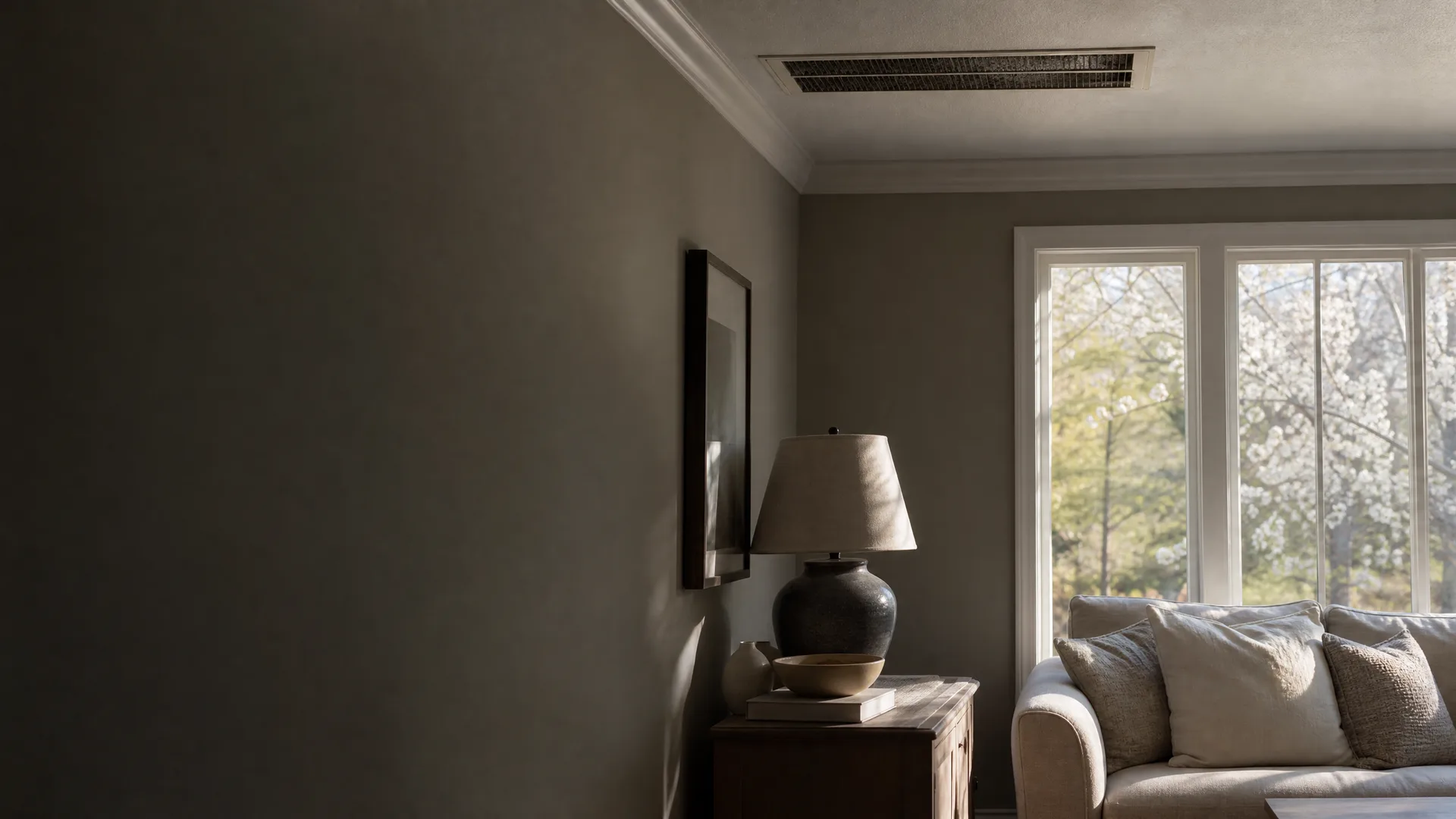
A dimly lit living room corner with a gray wall, framed picture, a table lamp on a wooden side table, a beige sofa with pillows, a ceiling vent, and windows showing flowering trees outside.

Saturday morning, late April, light coming in through the living room window. You run a finger along the ceiling vent grille and it comes back gray. Look up and you can see it clinging to the slats in a soft line, the kind that builds up slow enough you don't catch it happening. Below, on the console table, a thin film has settled over the remote and the picture frames since you dusted them Tuesday. Cobb County pollen season has mostly let up by now, so you know this isn't that. It's just the vent, breathing the same dust back into the room every time the furnace or the AC kicks on.


Is this just a Mableton house or something more?

Run your hand along a return grille and check what comes back. If it's heavier than what settles on a shelf in the same week, your ducts are adding to the problem, not just carrying it. You might notice the air feels thicker by afternoon, or that your allergies flare indoors worse than out in the yard. Registers with a dark ring around the edges are another sign air is dragging dust through a gap as it passes. Left alone, this is more than a cleaning chore. A furnace or AC pulling dust-laden air across its coil and blower works harder to move the same air, and anyone in the house with asthma or allergies breathes that dust every time the system runs.

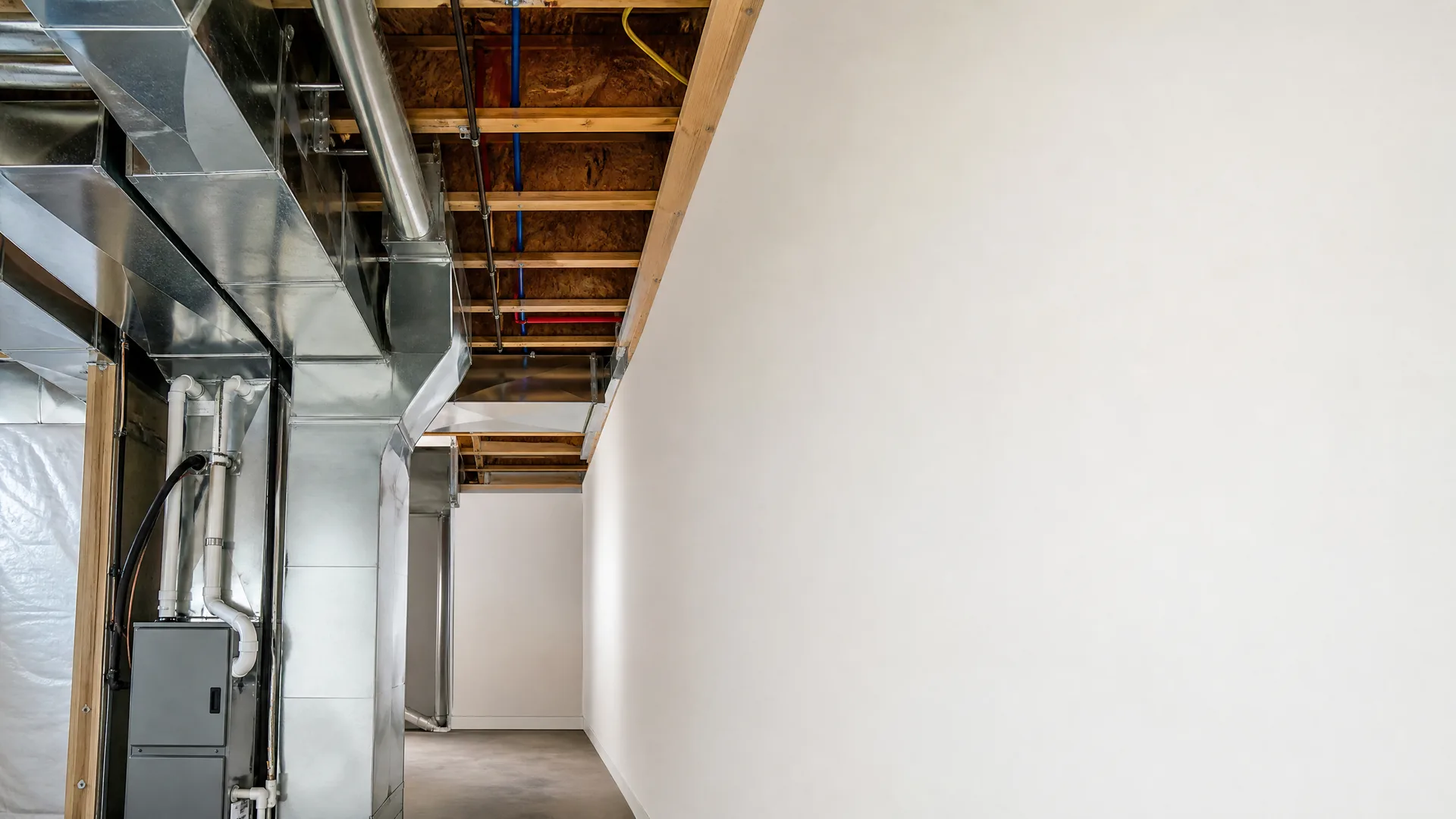
Unfinished basement with bare concrete floor and walls, exposed wood joists, large galvanized sheet-metal ductwork, PVC and copper piping, and a gray furnace unit beside wood stud framing.

Ducts sealed and tight

This is what a duct system looks like when it's doing its job. Every joint is sealed, every seam is tight, and the only air moving through is what your furnace or AC just heated or cooled. The basement stays part of the house, not a path into it.

Basement ceiling with large galvanized sheet-metal ductwork, round metal pipes and plumbing lines running beneath wood joists, above a bare concrete wall and floor.

Ducts pulling in dust

Here the ducts run through the same kind of space, but the seams have gapped and the joints have loosened. Every time the furnace or AC kicks on, it pulls basement and crawlspace air in through those gaps and pushes it straight into your rooms as dust.

Clean Out Dust or Stop It Getting In

Duct cleaning

  • A contractor clears out what's already settled in the ducts, the dust that gets stirred up and resettled on your furniture every time the blower kicks on.
  • It addresses what's sitting in the system right now, not what keeps getting pulled in through loose joints or gapped seams.
  • If your return grilles are coated and your filter looks gray within weeks of changing it, this clears that backlog out.
  • It won't stop new dust from entering if the ducts run through a dusty basement or crawlspace with open seams.
  • A local contractor who services ducts in Cobb County homes regularly knows how much buildup is typical for a system your age and how much is a sign of something more.

Duct sealing

  • A contractor seals the joints and seams where outside dust is getting pulled into the airstream in the first place.
  • It stops new dust from entering through the gaps rather than just removing what's already there.
  • If your ducts run through a basement or crawlspace, sealing keeps that space from feeding dust into the air you breathe upstairs.
  • It won't clear out dust that's already built up inside the ducts from years of gaps going unsealed.
  • Homes with older duct systems, the kind common across Cobb County, tend to have more seams that have loosened over time and need this work.
A woman wrapped in a thick cream knit blanket sits in a chair with an open book on her lap, beside a lit table lamp and a frost-covered window at night.
An older woman with grey-blonde hair in an updo and a beige turtleneck sweater smiles while looking to the side in a warmly lit kitchen, with a round loaf of bread on the counter in front of her and a dark window showing snow outside.
Unfinished basement with exposed wood joists, galvanized rectangular and round ductwork, piping, stud framing against concrete walls, and a bare hanging light bulb.

Get matched with a duct system pro in Cobb County

The pro who gets in touch is licensed in Georgia and works in Cobb County.

Get matched with someone who does this kind of work in Cobb County.

Reach a local pro

You only hire the pro if you want to.

Dusty sheet-metal HVAC ducts with a rectangular vent register run beneath wooden floor joists above an empty concrete-walled basement.
Before you get your ductwork cleaning
Empty basement with bare concrete walls and floor, a small window at left, and exposed wood joists with galvanized sheet metal ductwork and pipes overhead.
After you get your ductwork cleaning

Power here costs 13.94 cents per kilowatt-hour

At 13.94 cents per kilowatt-hour, your blower doesn't cost much to run, so there's little reason to run it less. That means any dust leaking into your ducts gets more trips through the house, not fewer, settling on your furniture again with every cycle.

EIA-861 2025

A basement with a gray furnace on a concrete pad connected to large sheet-metal ducts running along an exposed wood joist ceiling, with PVC pipes and plastic sheeting on the walls.

Ducts doing their job

This furnace and the metal plenum above it are tied into a basement that's sealed off from the duct run. Every pipe, line, and duct has its own path, and none of them are leaking into each other. The air coming through your vents is only air the furnace or AC touched.

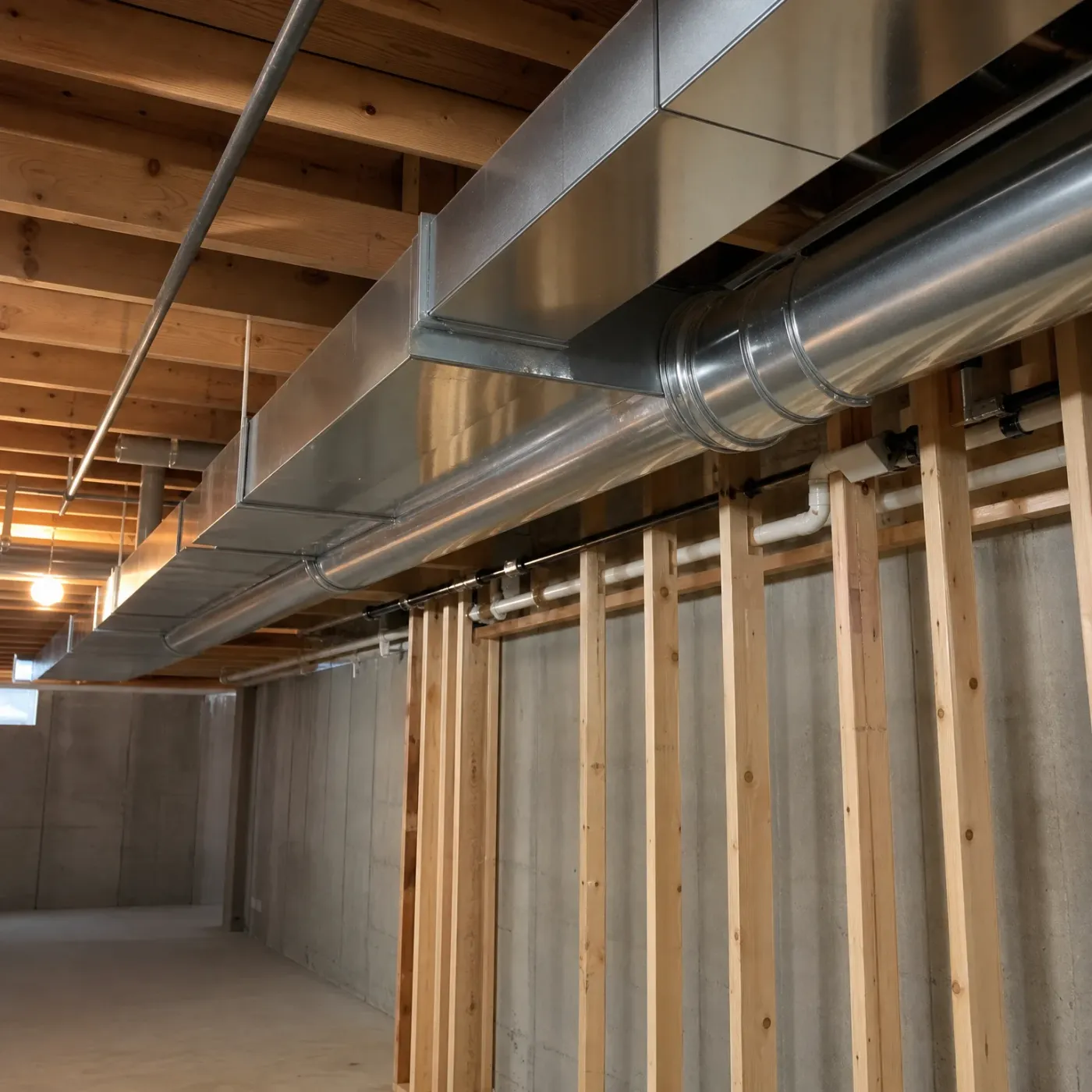
Galvanized sheet metal HVAC ductwork with a vent grille running along a wooden joist ceiling above a bare concrete wall.

Ducts pulling in dust

Here the ducts run exposed below the floor joists, open to the crawlspace or basement around them. A gap at a seam or a loose joint along that run draws in whatever dust and debris sits between the joists, then carries it straight to the register in your room.

A woman in a gray sweater and jeans stands in an open wood front door of a white stucco house while a man in a dark jacket walks toward her on the entry path.

What's actually happening inside your ducts right now

Your blower doesn't run on its own schedule. It kicks on when the thermostat calls for heat or cool, pushes air through the supply ducts into your rooms, then pulls air back through the return ducts to start over. That return side is the problem. It runs at a slight negative pressure, which means any gap in a seam or a loose joint along its path acts like a straw, pulling in whatever dust is sitting in the basement, crawlspace, or attic it passes through. The duct doesn't know the difference between conditioned air and attic dust. It just carries what it pulls in straight to your supply vents.

A contractor who works on duct systems around Mableton every week can tell you which part of a return run tends to separate first, because it's usually the same few spots: a flex connection that was never strapped tight, a takeoff that was sealed with tape instead of mastic. Getting matched with someone who knows your system's layout, rather than ducts in general, means the visit starts with a check of those spots instead of a generic look-around.

A light gray sofa with gray and beige textured throw pillows and a cream knit blanket beside a white-framed window, with a small round side table holding a ceramic vase and potted greenery.
Unfinished basement corridor with exposed wood floor joists, pipes and wiring overhead, sheet-metal HVAC ductwork and an electrical panel along the left wall, and a blank white wall on the right.

A house that gets cleaned and sealed

A contractor clears the dust sitting in your ducts right now and checks the joints and seams while everything is open. Any gap that's pulling in dust from the basement or crawlspace gets found and closed up. You get both the dust that's already built up and the path it was using to keep coming back. The shelf you wiped down last week stays cleaner longer, because the system feeding air into that room has been checked, not just the dust that settled.

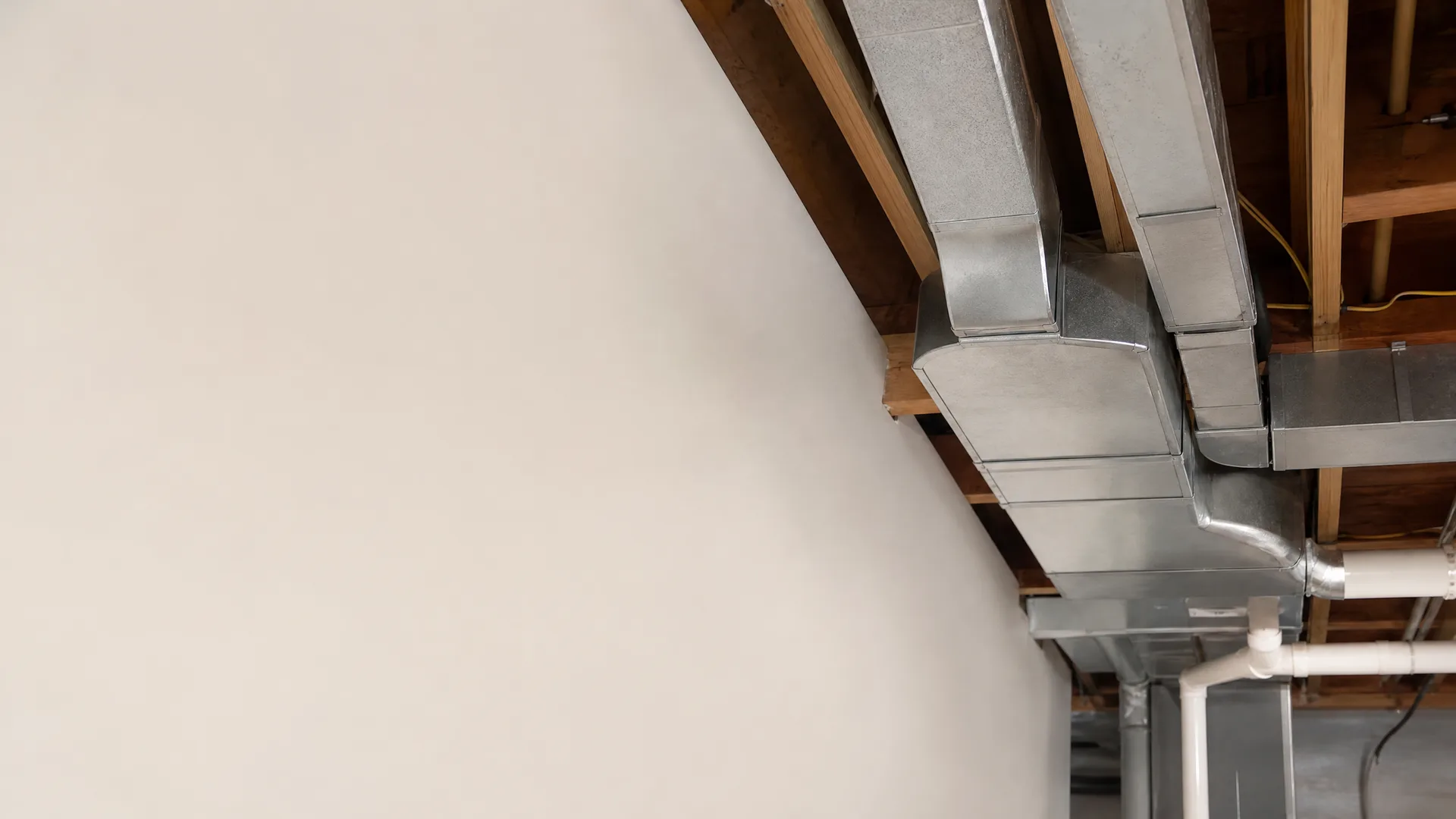
Interior basement ceiling with exposed wooden joists, sheet-metal HVAC ducts, and white PVC pipes beside a plain off-white wall.

A house that only gets cleaned

A contractor clears out what's in the ducts and the house looks and feels better for a while. But if a seam was gapped or a joint had come loose, it's still gapped and loose after the cleaning. Dust from the basement or crawlspace keeps getting pulled in the same way it was before, and it works its way back onto your furniture over the following months. The cleaning did its job. The gap just undid it.

The dust on your shelf isn't bad luck. It's your ducts pulling in air from the basement or crawlspace through gaps that have been there a while, and the blower running those particles through your house again and again. A cleaning clears out what's already sitting in the system. Sealing the joints stops more from getting pulled in behind it. Both matter, and a contractor who works on duct systems around Mableton every week can tell you within a few minutes of looking which one your house needs, or whether it's both. That's the kind of thing you learn from doing this job on this equipment season after season, not from a one-time visit. You'll be matched with one licensed contractor local to Cobb County, not a handful of companies competing for your callback, so the person who shows up is the one who already knows what to look for in a house like yours.

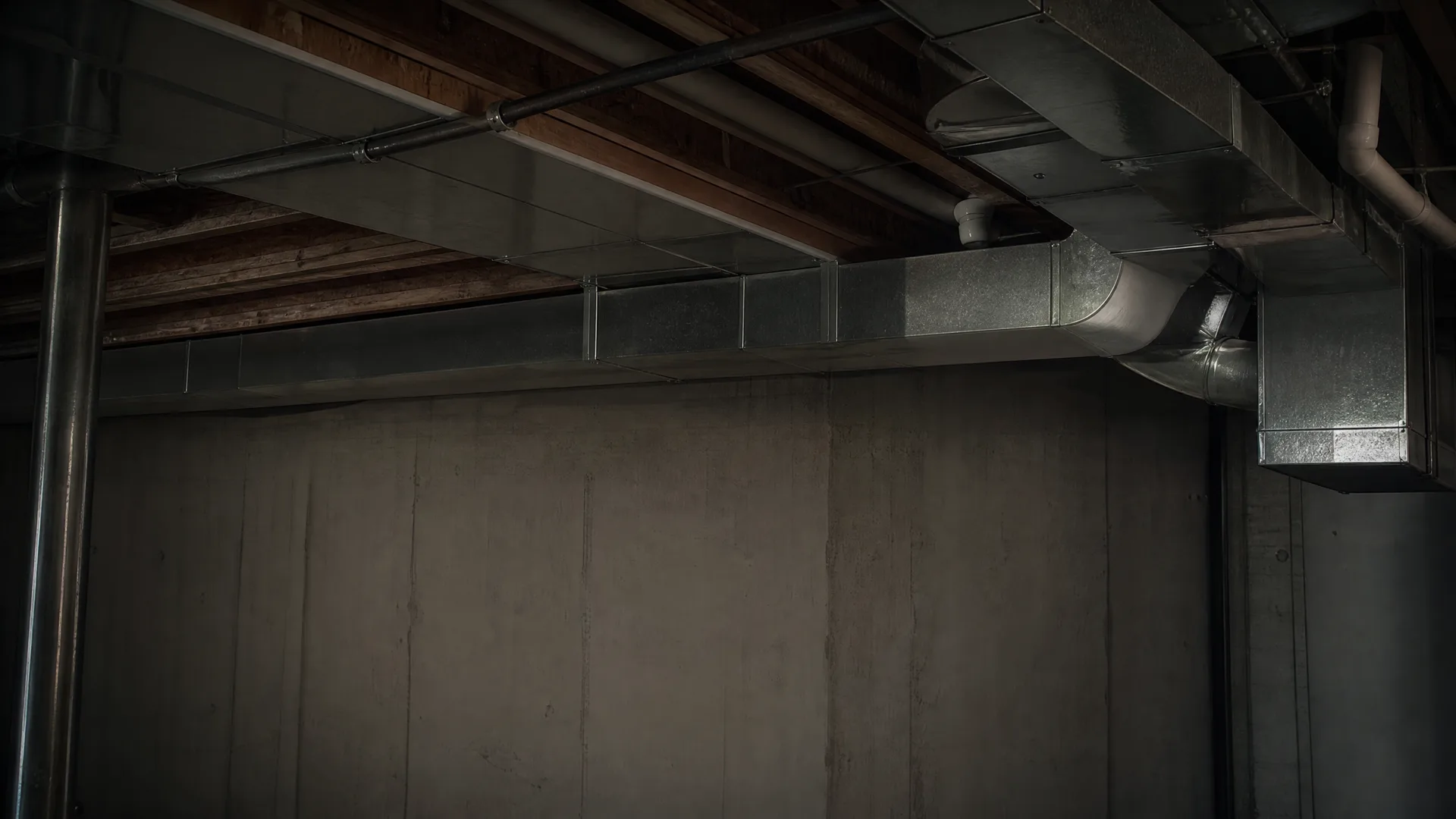
Dimly lit basement interior with galvanized sheet-metal ductwork and round pipes running along wooden floor joists above a bare concrete wall.

Get the right pro for your ductwork

A licensed pro who works in Cobb County gets your request.

Duct and vent cleaningDucts or ventsCobb County, GA
Step 1 of 2

What ZIP code is the job in?