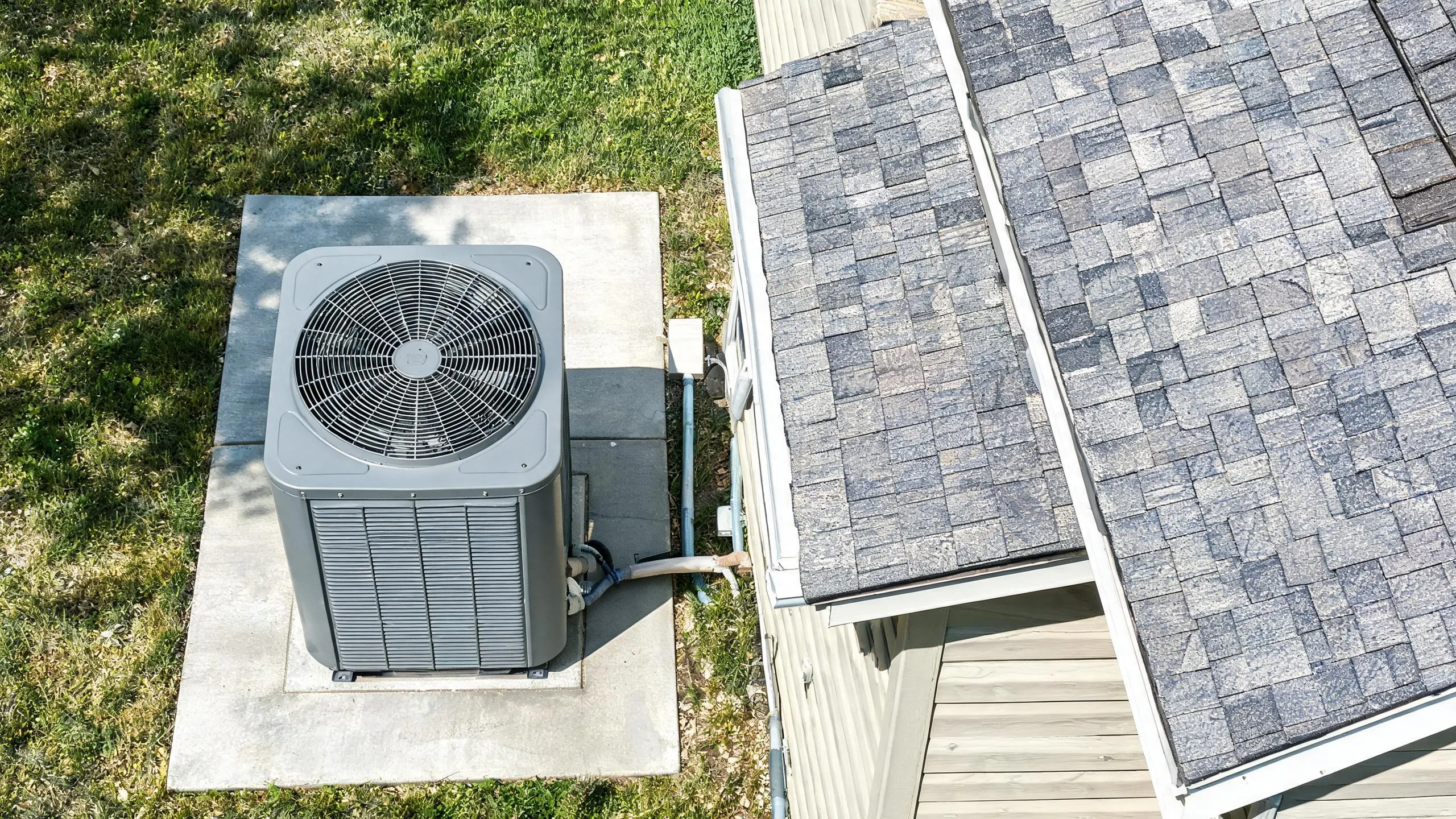
HVAC Repair in Grovetown, GA
Homes here need heat from November through March and cooling from May through September. If your system quits, tell us what it's doing and a licensed contractor who covers Columbia County will get in touch.
Tell us about the job
It takes about a minute.

Ten months of work a year, in Grovetown's heat and cold
Your system in Grovetown works most of the year. Heat from November through March, cooling from May through September, only two months off. That is a lot of cycles on the igniter, the contactor, the capacitor, all the parts that start the system up and shut it down.
Summer afternoons here average 90°F, and that pushes the compressor hard for five straight months. Winter nights average 37°F, cold enough that the system runs often but not so cold it strains to keep up. The bigger risk in winter is the power itself. Georgia saw 92 damaging wind events over the last ten years, and close to a third of households lost power for a day or more in 2024. When the power comes back on, most systems restart on their own, but if yours does not turn back on, that is worth a call.
- 5 months
- November through March, your system heats
- 5 months
- May through September, it cools
- 37°F
- the average winter night it heats against
- 90°F
- the average summer afternoon it cools against
NOAA nClimDiv, 1991–2020 normals
Georgia requires HVAC contractors to hold a state license.
Georgia's license is issued by the State Construction Industry Licensing Board. It covers the contractor, not each job. The state tested that contractor and keeps a record of them before they ever touch your equipment. It does not mean someone inspects every repair visit. It means the person doing the work has already had to prove they know the trade.
For a repair to a heating and cooling system, that license is what stands behind the person in your house. It is the state's answer to whether this contractor was tested and is on record, not a guarantee about any one visit.
Source: Georgia Secretary of State
- Why is my heat not working?
- Most often it comes down to power, gas, or the thermostat. Check that the thermostat is set to heat and a few degrees above room temperature, then check the breaker. If you have a gas furnace, look for a pilot light or igniter that isn't lighting, since a furnace that won't ignite will run air but no heat. If you have a heat pump, check whether it's stuck in a defrost cycle before you call anyone.
- Why is my system running but not cooling the house?
- The blower may be pushing air, but something is stopping that air from actually being cold. Check the air filter first, since a clogged filter chokes airflow across the indoor coil and can freeze it. Next look at the outdoor unit and clear away leaves or grass clippings blocking the coil. If the filter is clean and the outdoor unit is clear, the system may be low on refrigerant or have a failing part, and that needs a contractor to diagnose.
- What can I check before calling for HVAC repair?
- Start with the thermostat. Confirm it's set to the right mode, the temperature is actually calling for heat or cooling, and the batteries aren't dead. Then check the breaker box for anything tripped, and check the air filter, since a dirty filter causes problems that look like bigger failures. If the outdoor unit has power but isn't running, or you smell gas near the furnace, stop checking and call a licensed contractor. Georgia requires HVAC contractors to hold a state license, so ask for it before any work is done.