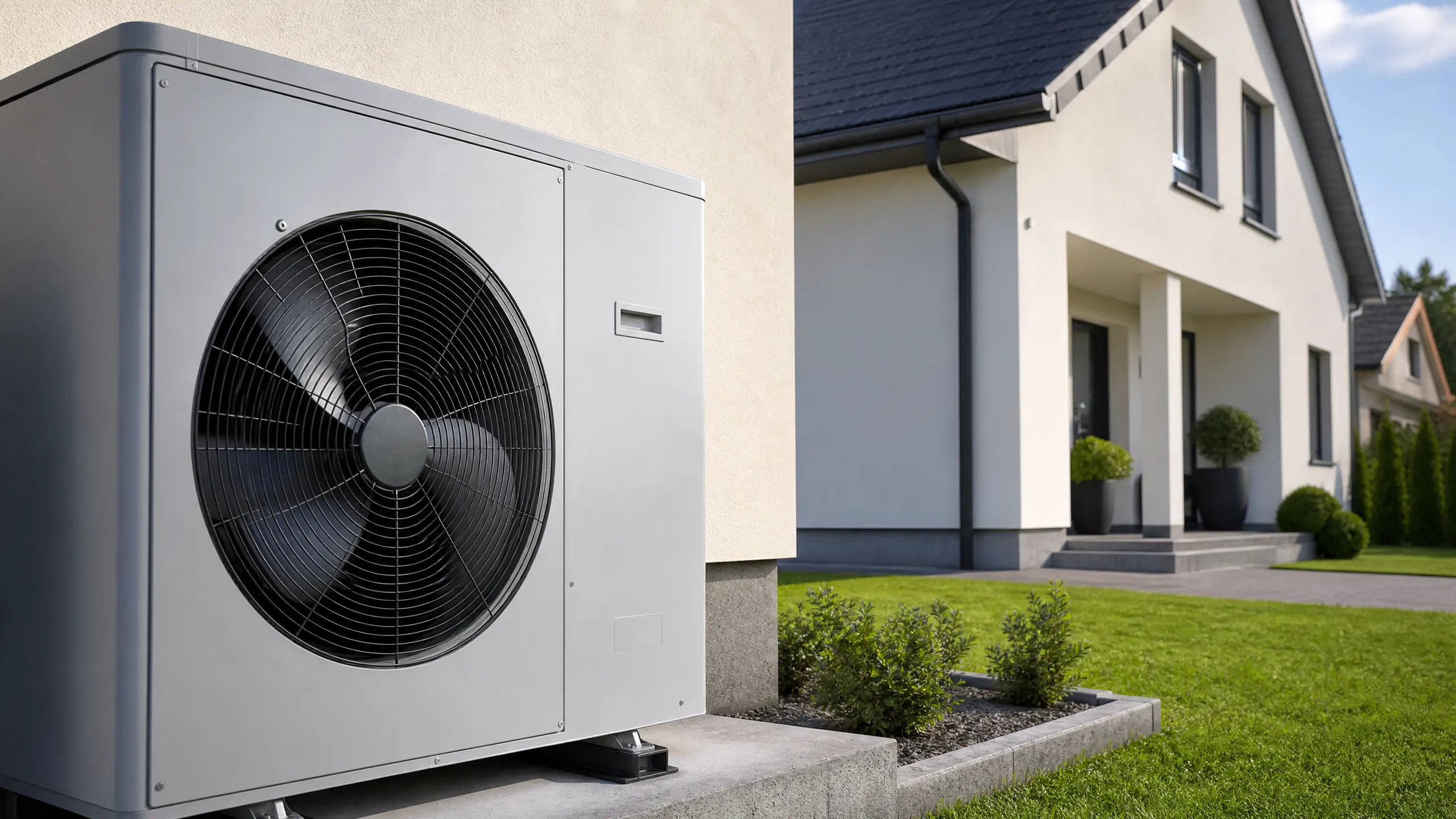
Heat Pump Repair in Grovetown, GA
Homes here need heat from November through March and cooling from May through September. If your system quits, tell us what it's doing and a licensed contractor who covers Columbia County will get in touch.
Tell us about the job
It takes about a minute.
Ten months of work, most of it in the heat
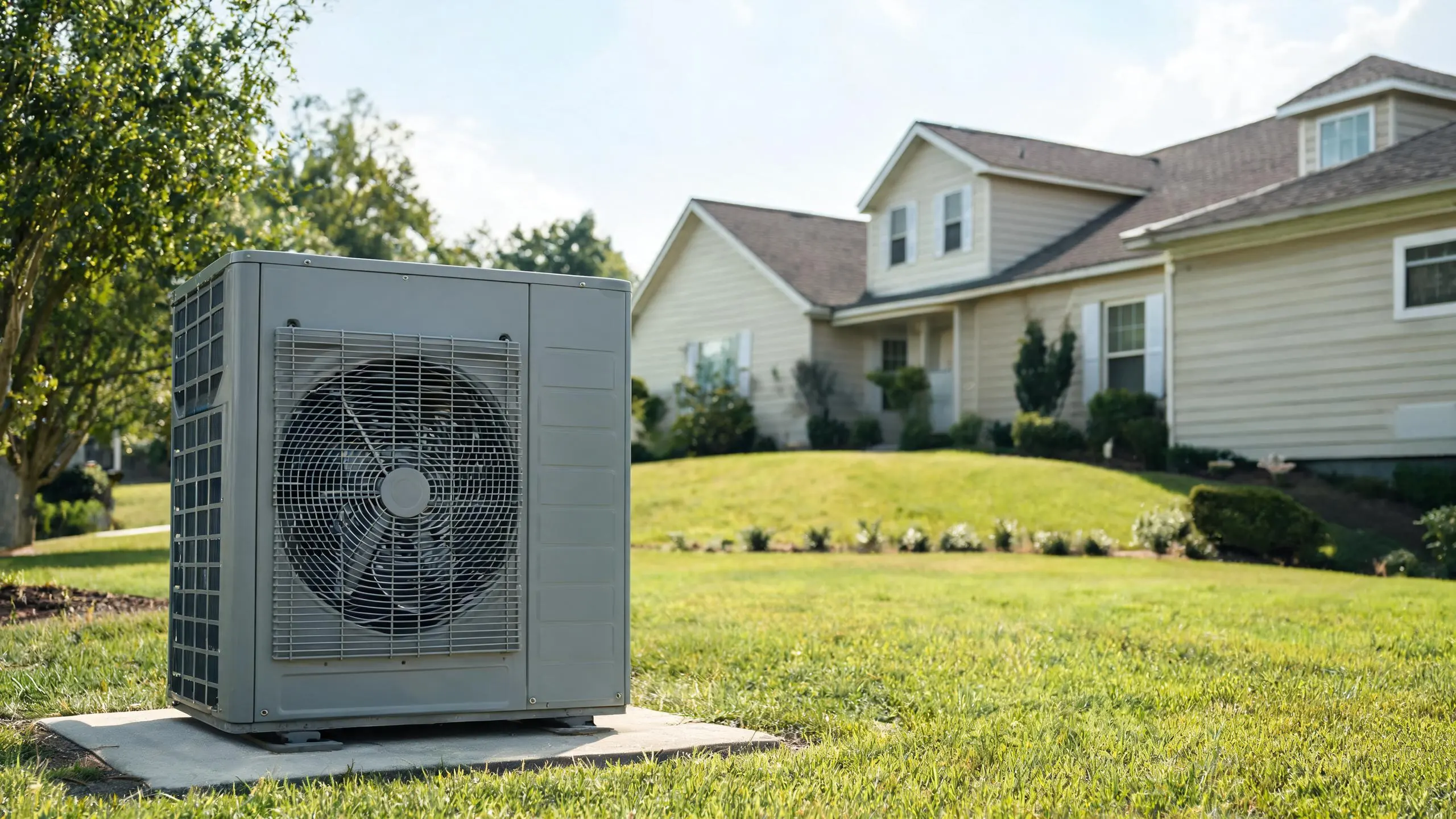
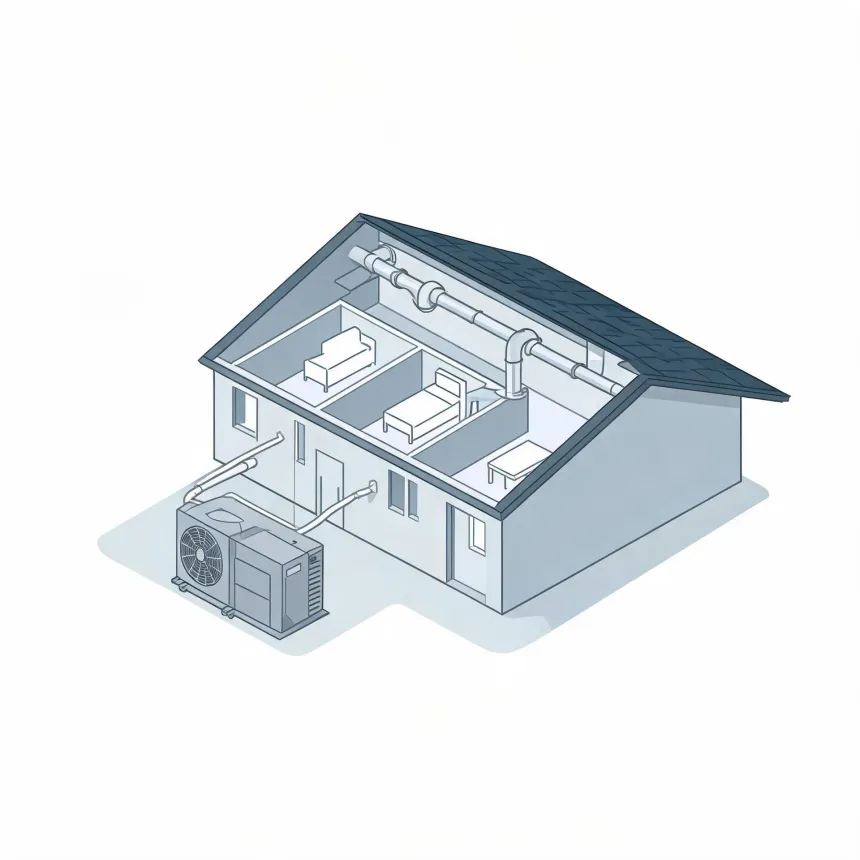
Your heat pump runs almost year round here, heat from November through March, cooling from May through September. That leaves only a couple of months when it gets any rest. On summer afternoons that average 90°F, it runs long hours to keep up, and the outdoor unit's compressor and fan motor take the wear. On winter nights averaging 37°F, the system switches into defrost and back, over and over, and that switching is hard on the reversing valve.
Georgia also loses power a lot. Almost a third of households here went at least 24 hours without it in 2024, and this area has seen 92 damaging wind events over the past ten years. Most heat pumps restart on their own once power is back, but a storm that trips a breaker or surges the line can knock out the control board. If your system won't start after the power comes back on, or it's running constantly without keeping the house comfortable, that is what to expect it to be.
- 5 months
- November through March, your system heats
- 5 months
- May through September, it cools
- 37°F
- the average winter night it heats against
- 90°F
- the average summer afternoon it cools against
NOAA nClimDiv, 1991–2020 normals
Georgia requires HVAC contractors to hold a state license.
The State Construction Industry Licensing Board tests contractors before they can hold this license. The license belongs to the contractor, not to any single job, so the same license that covers a new install also covers a repair like this one on your heat pump.
A heat pump repair usually means opening the refrigerant side of the system. That work needs its own credential on top of the state license. Any technician handling refrigerant, in Georgia or anywhere else, has to hold EPA Section 608 certification. On this job the state license backs the contractor, and the federal certification backs whoever actually touches the refrigerant.
Source: Georgia Secretary of State
- Why is my heat pump blowing cold air?
- In heating mode, a heat pump moves warm air through your vents that is often cooler than your skin, so it can feel cold even when it is working right. If the air feels truly cold, not just cool, check that your filter is not clogged and your outdoor unit is not caked in ice or blocked by leaves and debris. A thermostat set to the wrong mode or a fan set to run constantly can also cause this. If the outdoor unit is running but the air inside stays cold, the system may be low on refrigerant or the reversing valve may be stuck, and a contractor will need to check it.
- Why is there ice on my heat pump?
- A thin layer of frost on your outdoor unit during cold weather is normal, and the system defrosts itself on a cycle throughout the day. Thick ice that does not melt off points to a problem, often restricted airflow from a dirty coil or a fan that is not turning. Low refrigerant can also cause ice to build up faster than the defrost cycle can clear it. With winter nights here averaging 37°F, defrost cycles run often, so a unit that cannot keep up will show it as heavier ice than usual.
- Why is my heat pump running but not cooling?
- If the outdoor unit and indoor fan are both running but the air is not cold, start with the filter and the outdoor coil, since either one blocked with dirt or debris cuts off the airflow the system needs to cool. Check that nothing is stacked against the outdoor unit and that the coil fins are clear. If airflow looks fine and the house still is not cooling, the system is likely low on refrigerant or has a failing compressor, and a licensed contractor will need to check it with gauges. On a 90°F afternoon, a system losing capacity will fall behind fast, so it is worth having it looked at before it stops keeping up entirely.