
HVAC Installation in Macon-Bibb County, GA
A new system here will heat from November through March and cool from May through September every year. Tell us about the house, and a licensed contractor who covers Bibb County will get in touch.
Tell us about the job
It takes about a minute.
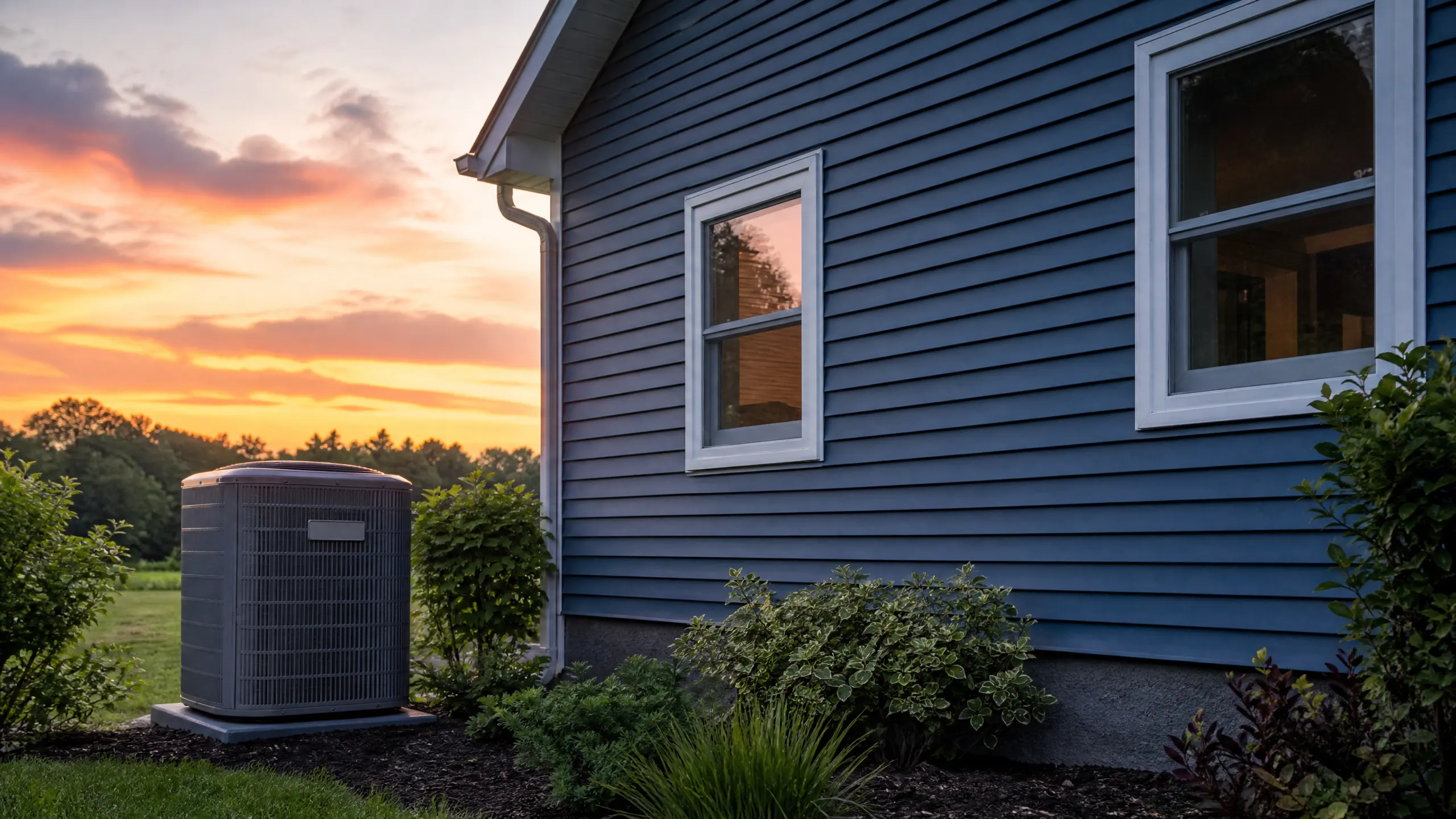
Ten months of the year, your system is working
Macon-Bibb only gets two months where heat and cooling both sit idle. From November through March you need heat, and winter nights average 36°F. From May through September you need cooling, and summer afternoons average 91°F. A new system here has to handle both ends without much rest between them.
Most homes in the county heat with electricity, so a hard freeze does not just mean a cold house, it can mean no heat at all. Georgia saw 31% of households lose power for at least 24 hours in 2024, and this area has logged 55 damaging wind events over the last ten years. Whoever installs your system should size it for the heat and the cold this place actually sees.
- 5 months
- November through March, your system heats
- 5 months
- May through September, it cools
- 36°F
- the average winter night it heats against
- 91°F
- the average summer afternoon it cools against
NOAA nClimDiv, 1991–2020 normals
Georgia requires HVAC contractors to hold a state license.
The license is issued to the contractor by the State Construction Industry Licensing Board, and it stays with them, not with any single job. That means the board has tested this contractor and keeps a record of them before they ever get to your house.
For a system install like this, the license is the thing standing behind the work. Most cities and counties in Georgia also require a permit before a furnace, air conditioner or heat pump gets replaced, and an inspection from the local building office once the work is done. If Bibb County follows that pattern, this job gets a second set of eyes on it beyond the license itself.
Source: Georgia Secretary of State
- When should I replace my HVAC system?
- Once it's old enough that repairs are getting more frequent, and a repair bill starts to rival what a new system would run, that's the point to stop patching it. Watch for signs like uneven heating or cooling between rooms, higher power bills without a clear reason, or a system that runs longer than it used to. Here, the furnace has to work from November through March and the air conditioner from May through September, so there's not much of the year when either one gets to sit idle. A contractor can tell you whether what you're dealing with is worth fixing again or not.
- Should I replace my furnace and air conditioner at the same time?
- If they're close in age, yes. A furnace and air conditioner installed together are matched to work as one system, and pairing an old unit with a new one can mean the new one never runs at its rated efficiency. Homes in Macon-Bibb need heat and cooling for 10 months of the year between the two, so both systems get heavy use and tend to wear down on a similar timeline. A contractor can look at the age and condition of each one and tell you whether it makes sense to do both now or wait on one.
- What happens during an HVAC installation?
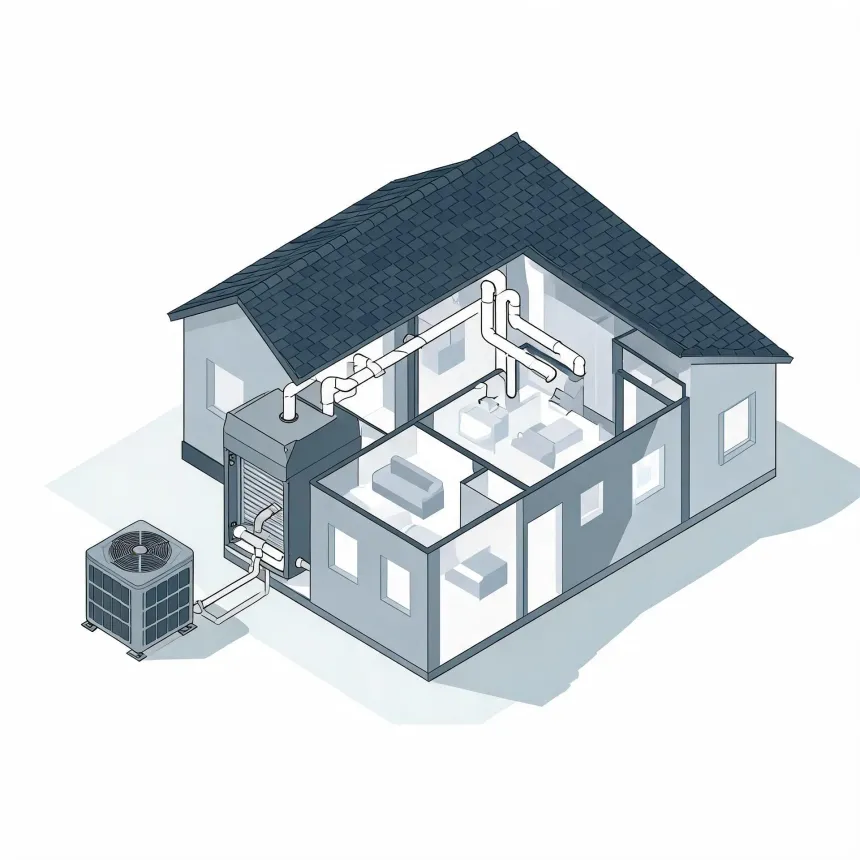
- A contractor removes the old equipment, sets the new furnace and or air conditioner in place, and connects it to the ductwork, gas line or electrical circuit, and condensate drain. They'll check the ductwork itself for leaks or sizing problems, since a new system connected to bad ducts won't perform the way it should. Once it's running, they test it through a full cycle and check refrigerant charge, airflow, and gas pressure or electrical draw depending on what was installed. In Georgia, the contractor doing this work has to hold a state license through the Construction Industry Licensing Board, so it's worth confirming that before work starts.