Heat Pump Repair in Valdosta, GA
Homes here need heat from November through March and cooling from May through October. If your system quits, tell us what it's doing and a licensed contractor who covers Lowndes County will get in touch.
Tell us about the job
It takes about a minute.
Your heat pump works almost the whole year here
In Valdosta your heat pump runs 11 months of the year, cooling through summer afternoons that hit 91°F and switching over to heat on winter nights that average 41°F. That kind of duty cycle does not give the system much time to rest between seasons.
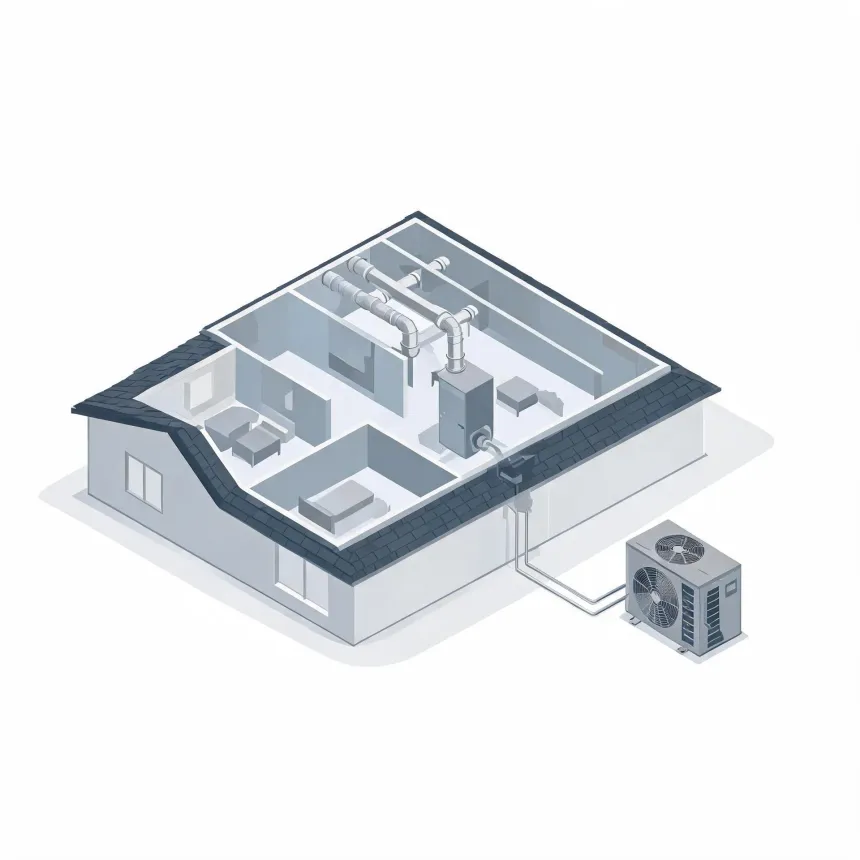
Most homes here heat with electricity, so the heat pump is doing the job a furnace would do elsewhere, on top of the cooling load all summer. The constant switching between modes wears on the reversing valve, and a valve that sticks will leave you with cool air when you need heat, or warm air when you need cooling. The outdoor unit takes the weather directly, and this area has seen 269 damaging wind events over the past ten years, so bent fins, a damaged fan blade, or a unit knocked out of level are worth checking after a bad storm.
- 5 months
- November through March, your system heats
- 6 months
- May through October, it cools
- 41°F
- the average winter night it heats against
- 91°F
- the average summer afternoon it cools against
NOAA nClimDiv, 1991–2020 normals
Georgia requires HVAC contractors to hold a state license.
Georgia's board tests contractors before they get that license and keeps a record of who holds one. It covers the contractor, not each job, so the same license that qualifies someone to install a system also qualifies them to repair your heat pump.
A heat pump repair usually means opening the refrigerant side of the system, and federal law requires anyone who does that to hold EPA Section 608 certification, on top of the state license. Between the two, you have a contractor the state has tested and a technician certified to handle the refrigerant itself.
Source: Georgia Secretary of State
- Why is my heat pump blowing cold air?
- In defrost mode, your heat pump switches over to melt ice off the outdoor coil, and while it does the indoor fan can keep blowing air that feels cool. That is normal for a few minutes at a time. If the air stays cold longer than that, or never switches back to warm, the reversing valve may be stuck or the system may be low on refrigerant. Either way a contractor needs to check it, since refrigerant work requires certification.
- Why is there ice on my heat pump?
- A thin coat of frost that clears itself during a defrost cycle is normal in cold weather, especially with winter lows averaging 41°F here. Thick ice that builds up and stays means something is stopping the defrost cycle from doing its job, or airflow across the outdoor coil is blocked. A dirty coil, a failing defrost sensor, or a low refrigerant charge can all cause this. Running the unit with heavy ice on it can damage the compressor, so have it looked at before it warms up on its own.
- Why is my heat pump running but not cooling?
- If the outdoor unit is running but the air coming from your vents is not cold, check the air filter first since a clogged one starves the system of airflow. If the filter is clean, the outdoor coil could be dirty or blocked by leaves and debris, which stops it from releasing heat properly. A refrigerant leak will also cause this, and that is not something to test on your own. With summer afternoons here averaging 91°F, a system that cannot keep up on a hot day needs a contractor to check the charge and the coil.