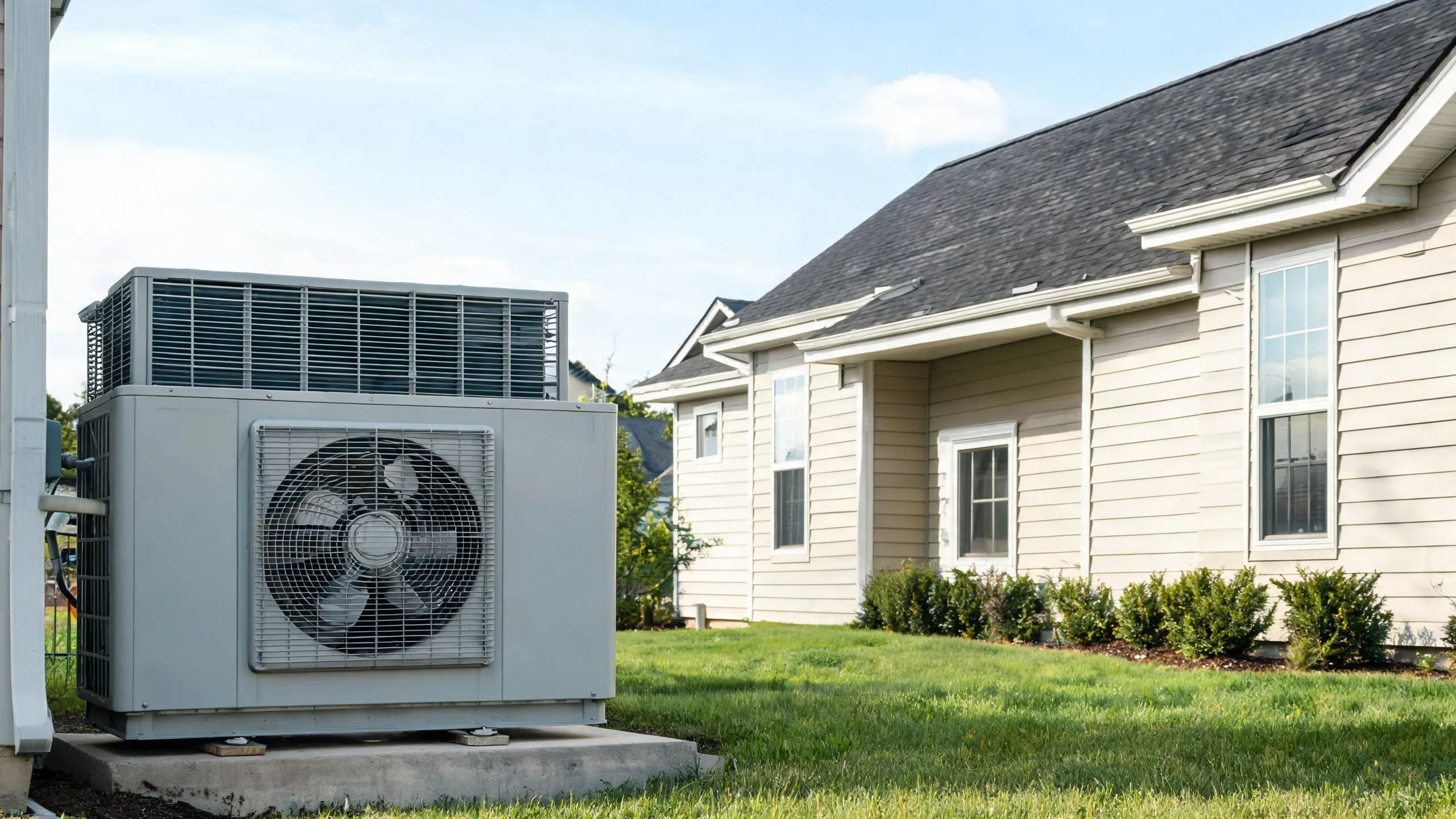
Heat Pump Repair in Cartersville, GA
Homes here need heat from October through April and cooling from May through September. If your system quits, tell us what it's doing and a licensed contractor who covers Bartow County will get in touch.
Tell us about the job
It takes about a minute.
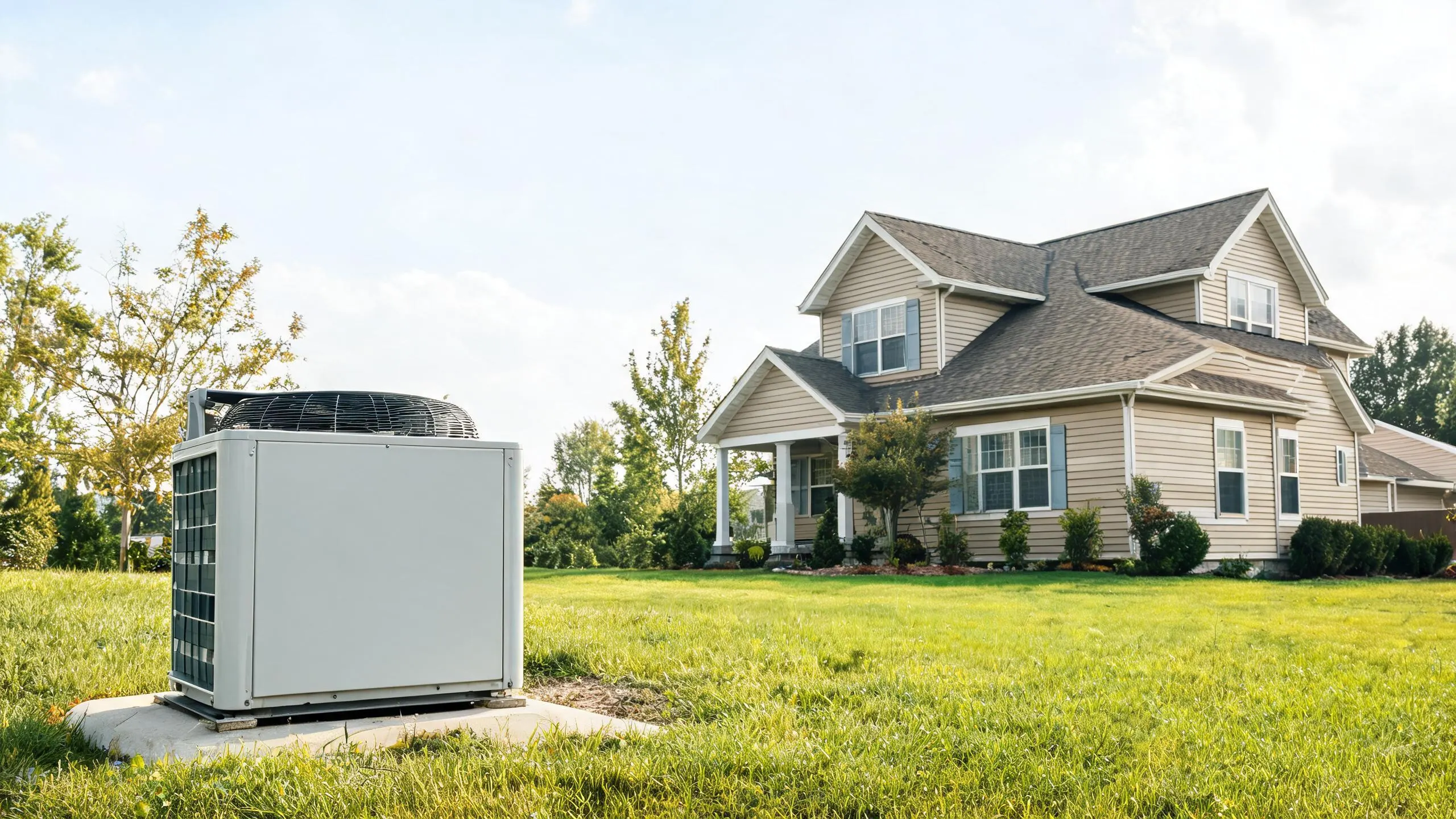
Cartersville runs its heat pump almost year round
Your heat pump works twelve months here, heat from October through April and cooling from May through September. It does not get much of a break. On winter nights that average 33°F, it has to pull what heat it can from cold air, and it works harder for it than it would on a milder night. That strain lands on the compressor. It shows up too in the reversing valve, the part that switches the system between heating and cooling, and in the defrost control board that clears frost off the outdoor coil on cold nights.
Bartow County has had 90 damaging wind events over the past ten years, and storms like that knock out power more than people expect. Statewide, close to a third of households lost power for at least a day in 2024. Your heat pump should start back up on its own once power returns. A control board that was already weak from years of cycling can fail right at that moment instead. If your system will not restart, or it is running but not keeping up with a 33°F night or an 88°F afternoon, that is worth a look.
- 7 months
- October through April, your system heats
- 5 months
- May through September, it cools
- 33°F
- the average winter night it heats against
- 88°F
- the average summer afternoon it cools against
NOAA nClimDiv, 1991–2020 normals
Georgia requires HVAC contractors to hold a state license.
The license comes from the State Construction Industry Licensing Board, and it belongs to the contractor, not to this particular repair. That means the board tested the contractor and keeps a record of them, but it does not mean this specific heat pump job was reviewed by anyone before the work starts.
A heat pump repair usually means someone is working on the refrigerant side of the system, and that part of the job falls under a separate, federal rule. Any technician opening that side of the system has to hold EPA Section 608 certification, in Bartow County or anywhere else in the country. So the state license accounts for the contractor, and the federal certification accounts for the refrigerant work itself.
Source: Georgia Secretary of State
- Why is my heat pump blowing cold air?
- In defrost mode, your heat pump runs the outdoor fan in reverse to melt ice off the outdoor coil, and while it does that the indoor vents will feel cool for a few minutes. That is normal and it should switch back to heating on its own. If cold air keeps coming and never warms up, the reversing valve may be stuck, or the unit could be low on refrigerant. Either one needs a contractor to check, since both call for gauges and a look at the valve itself.
- Why is there ice on my heat pump?
- A thin coat of frost on cold mornings is normal, and the unit will clear it in a short defrost cycle. A heavy buildup that does not go away is different. That usually means airflow across the outdoor coil is blocked, either by a dirty coil, a failed defrost sensor, or a fan that has stopped running. With winter lows here averaging 33°F, the outdoor unit works through a lot of defrost cycles each season, so a sensor or control board issue that keeps it from starting one shows up as ice that just sits there. A contractor can tell which part has failed.
- Why is my heat pump running but not cooling?
- If the outdoor unit is running but the air coming from your vents is not cold, the most common cause is low refrigerant from a leak, or a compressor that is not doing its job. A dirty outdoor coil can cause the same problem, since it cannot shed heat properly if it is caked in dirt or grass clippings. Check that your outdoor unit has clear space around it and the filter inside is not clogged. If both are clean and it is still not cooling, the refrigerant charge or the compressor needs a contractor's gauges to diagnose.