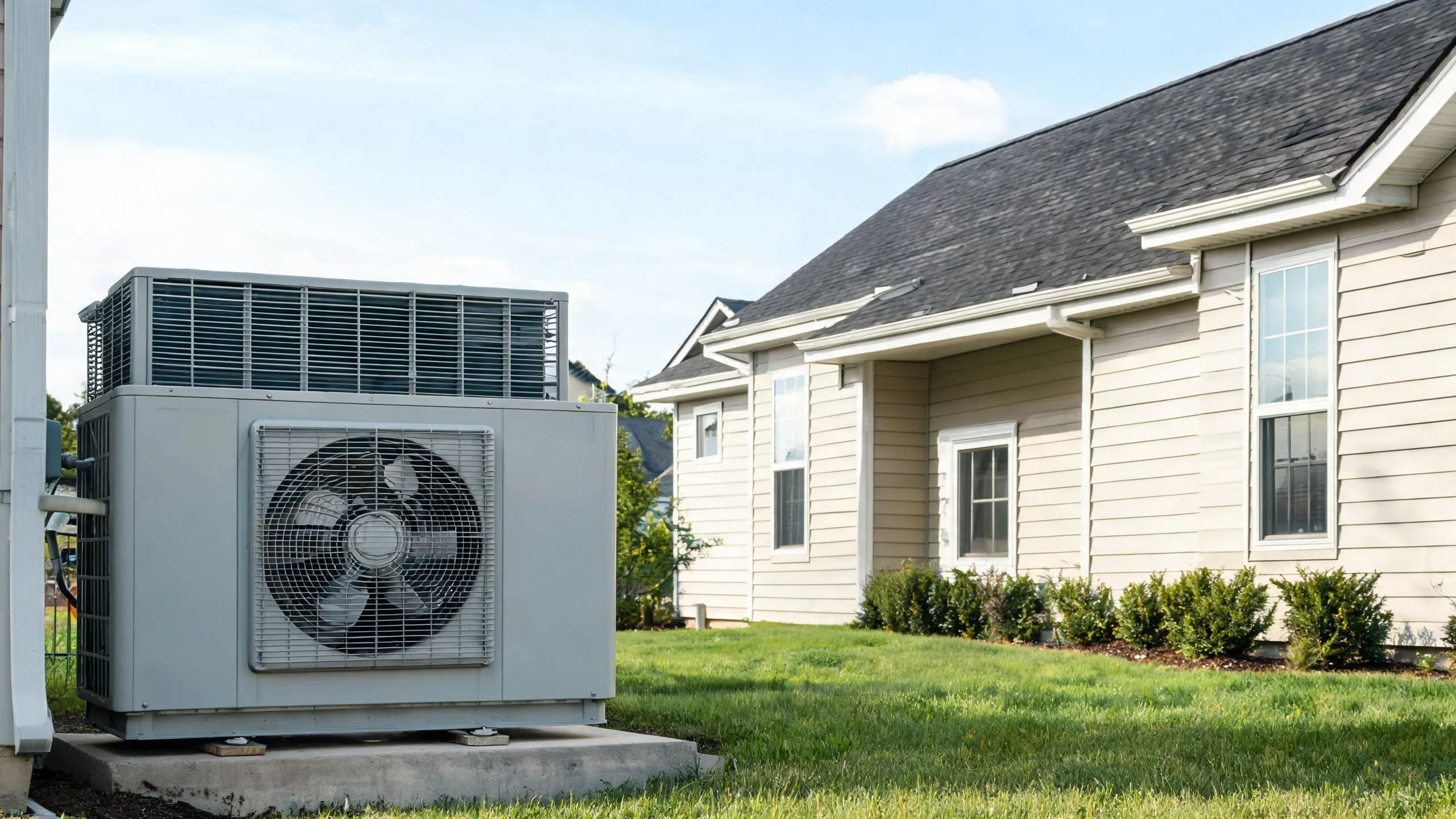
Heat Pump Installation in Warner Robins, GA
A new system here will heat from November through March and cool from May through September every year. Tell us about the house, and a licensed contractor who covers Houston County will get in touch.
Tell us about the job
It takes about a minute.
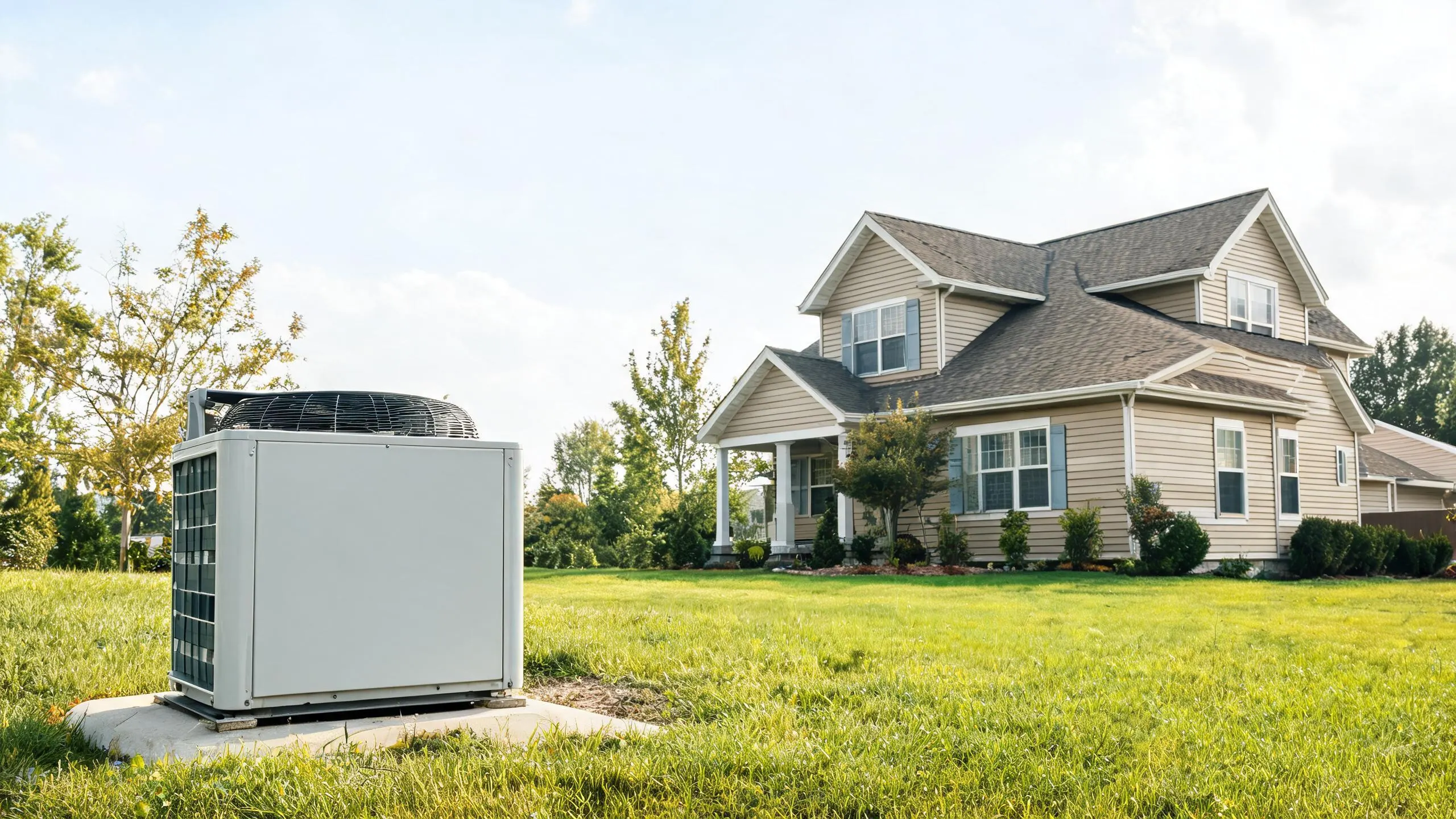
Ten months of work a year in Houston County
Your heat pump doesn't get much of a break here. Winters average 38°F at night from December through February, and summers push to 91°F in the afternoon. That's ten months of the year, November through March for heat and May through September for cooling, when the system is running.
Most homes in Houston County heat with electricity, so when the heat pump can't keep up, there isn't a backup furnace to lean on. Any new split-system heat pump installed today has to meet 14.3 SEER2 for cooling and 7.5 HSPF2 for heating, the federal minimum for units built since January 2023. That's the floor. With this many months of runtime, it's worth asking what the unit does above that floor.
- 5 months
- November through March, your system heats
- 5 months
- May through September, it cools
- 38°F
- the average winter night it heats against
- 91°F
- the average summer afternoon it cools against
NOAA nClimDiv, 1991–2020 normals
Georgia requires HVAC contractors to hold a state license.
The State Construction Industry Licensing Board tests contractors before it licenses them, then keeps a record of who holds that license. It's the contractor who is licensed, not the individual installation, so the board's exam and record apply to the company doing the work rather than to this particular heat pump.
For a heat pump installation, that license is what stands behind the person doing the work. On top of it, most cities and counties in Georgia require a permit before the installation starts and an inspection once it's done, so the local building office checks the work independently of the state license.
Source: Georgia Secretary of State
- Is a heat pump better than a furnace?
- A heat pump does both jobs, heating and cooling, where a furnace only heats. Here winters average 38°F at night, which a heat pump handles fine, and summers run near 91°F, so having one system for both seasons instead of a furnace plus a separate air conditioner is worth considering. The right choice depends on the house, so a contractor should look at what's there now before you decide.
- What's the difference between a heat pump and an air conditioner?
- An air conditioner only moves heat out of your house. A heat pump can run the same way in summer, then reverse and pull heat from outside air into your house in winter. That's the whole difference. The cooling side works the same in both.
- Does a heat pump work in cold weather?
- Yes. A heat pump pulls heat from outside air even when it's cold, and winter nights here only average 38°F, which is well within what a heat pump is built to handle. As of 2023, new split-system heat pumps have to meet a federal minimum of 7.5 HSPF2 for heating, a rating that accounts for colder nights, not just mild ones. Extreme cold cuts into any heat pump's output, but that's not what a typical winter here looks like.