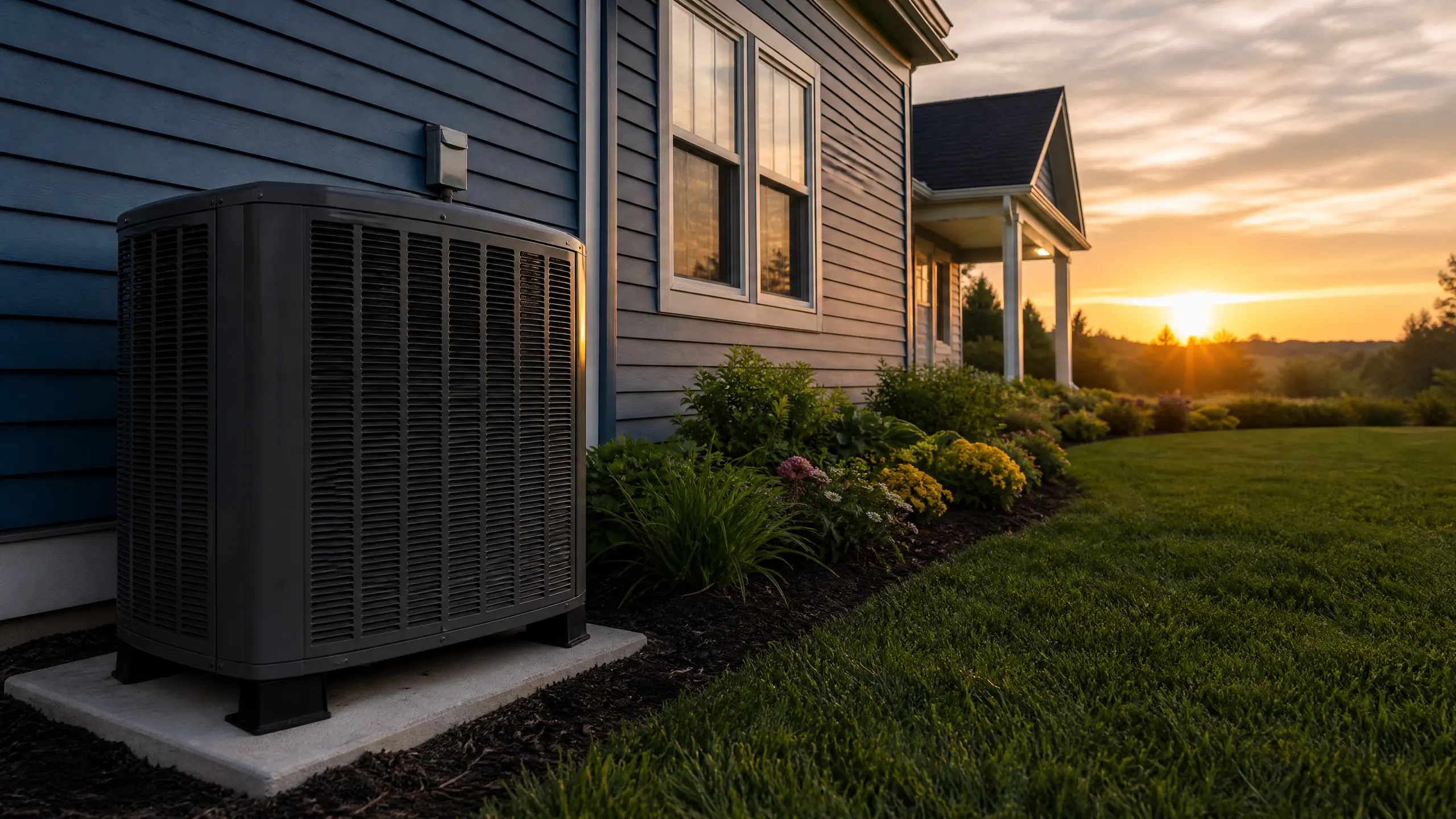
AC Maintenance in Cumming, GA
Air conditioners here run from May through September, so April is the time for a tune-up. Tell us about your system, and a licensed contractor who covers Forsyth County will get in touch.
Tell us about the job
It takes about a minute.

Five months of hard running, every year
Your air conditioner works May through September here, five months of Cumming summer with afternoons averaging 86°F. That is the stretch when it runs longest and hardest, and when a weak part is most likely to give out.
A tune-up done before that stretch checks what the heat will test later. Low refrigerant, a dirty coil, a capacitor going weak, these show up on a technician's gauges before they show up as a system that won't keep the house cool. Forsyth County has also seen its share of hail and high wind over the past ten years, and a look at the outdoor unit catches bent fins or a cracked line before they turn into a bigger repair.
- 5 months
- May through September, your air conditioner is on duty
- 86°F
- the average summer afternoon it cools against
- 14 hail events
- in ten years, and hail bends the fins on outdoor coils
- 48 wind events
- in ten years, and wind drives debris into outdoor units
NOAA nClimDiv, 1991–2020 normals

Book your AC tune-up in April, before homes here start needing cooling in May.
- Jan
- Feb
- Mar
- Apr
- May
- Jun
- Jul
- Aug
- Sep
- Oct
- Nov
- Dec
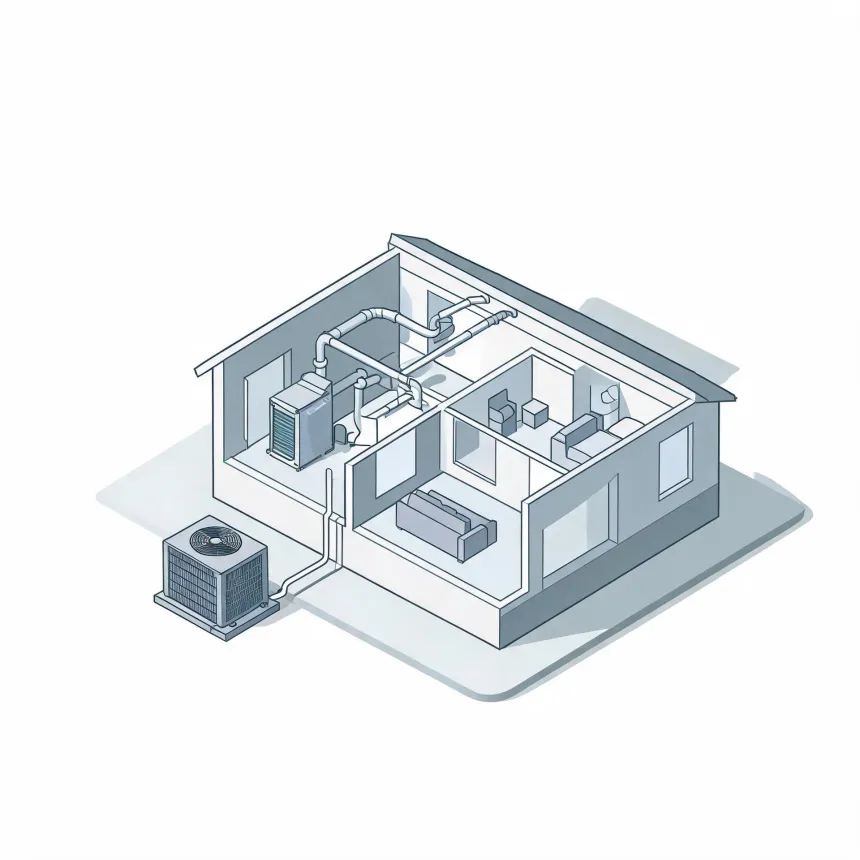
A tune-up checks the refrigerant charge, cleans the coils, tests the capacitor and tightens the electrical connections.
Georgia requires HVAC contractors to hold a state license.
The license comes from the State Construction Industry Licensing Board. It means the contractor was tested and is on record with the state. It covers the contractor as a business, not the individual visit. So the license tells you the company is accountable. It does not mean this specific service call was inspected or signed off by anyone.
For a maintenance visit on an air conditioner, the part that matters most is the refrigerant. If the technician opens that side of the system to check charge or pressure, federal law requires EPA Section 608 certification. That rule applies the same way in every state, regardless of Georgia's own licensing. On this job, two things stand behind the work. The state license covers the company doing it. The federal certification covers whoever actually handles the refrigerant.
Source: Georgia Secretary of State
- What does AC maintenance include?
- A technician checks refrigerant levels, cleans the condenser coil, and tests the capacitor and electrical connections. They also check the condensate drain for clogs and inspect the blower and ductwork for airflow problems. Catching a weak capacitor or a coil losing its grip on heat now means it does not fail on the afternoon you need the system most.
- How often does an air conditioner need maintenance?
- Once a year, ideally before the cooling season starts. Homes here run the air conditioner from May through September, so a check before May gives a contractor time to catch a weak capacitor or a dirty coil before the summer heat puts real load on the system. Skipping a year does not always cause a breakdown, but small problems wear on the compressor if nobody looks at them.
- Is AC maintenance worth it?
- Yes, because most compressor failures start as smaller problems that a technician can catch in a routine check. A dirty coil or low refrigerant charge makes the compressor work harder, and it can run that way for months before it fails outright. With summer afternoons here averaging 86°F, a system that is already straining has little room left when a real heat wave hits.