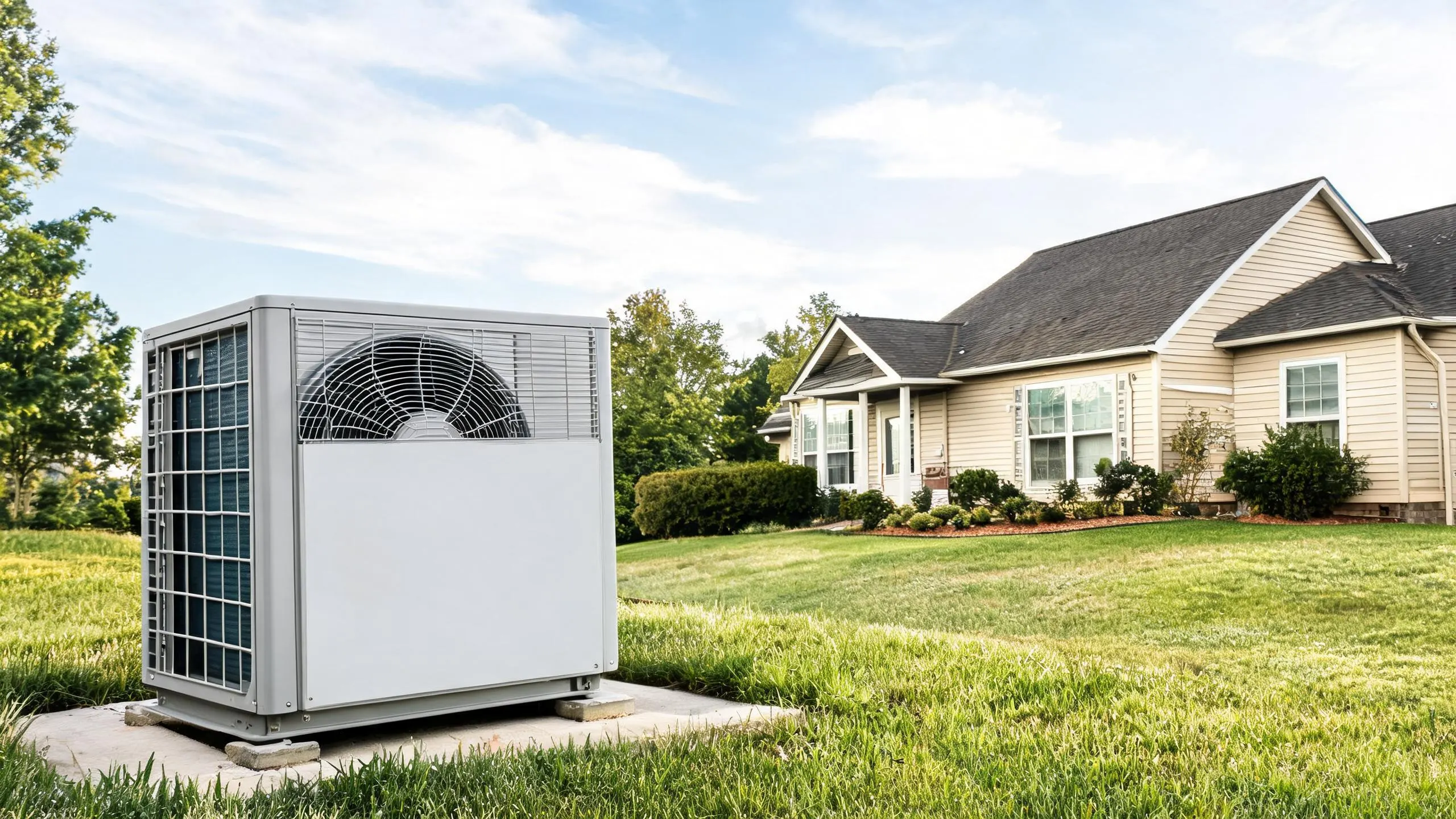
Heat Pump Repair in Savannah, GA
Homes here need heat from November through March and cooling from May through October. If your system quits, tell us what it's doing and a licensed contractor who covers Chatham County will get in touch.
Tell us about the job
It takes about a minute.
Your heat pump barely gets a rest here
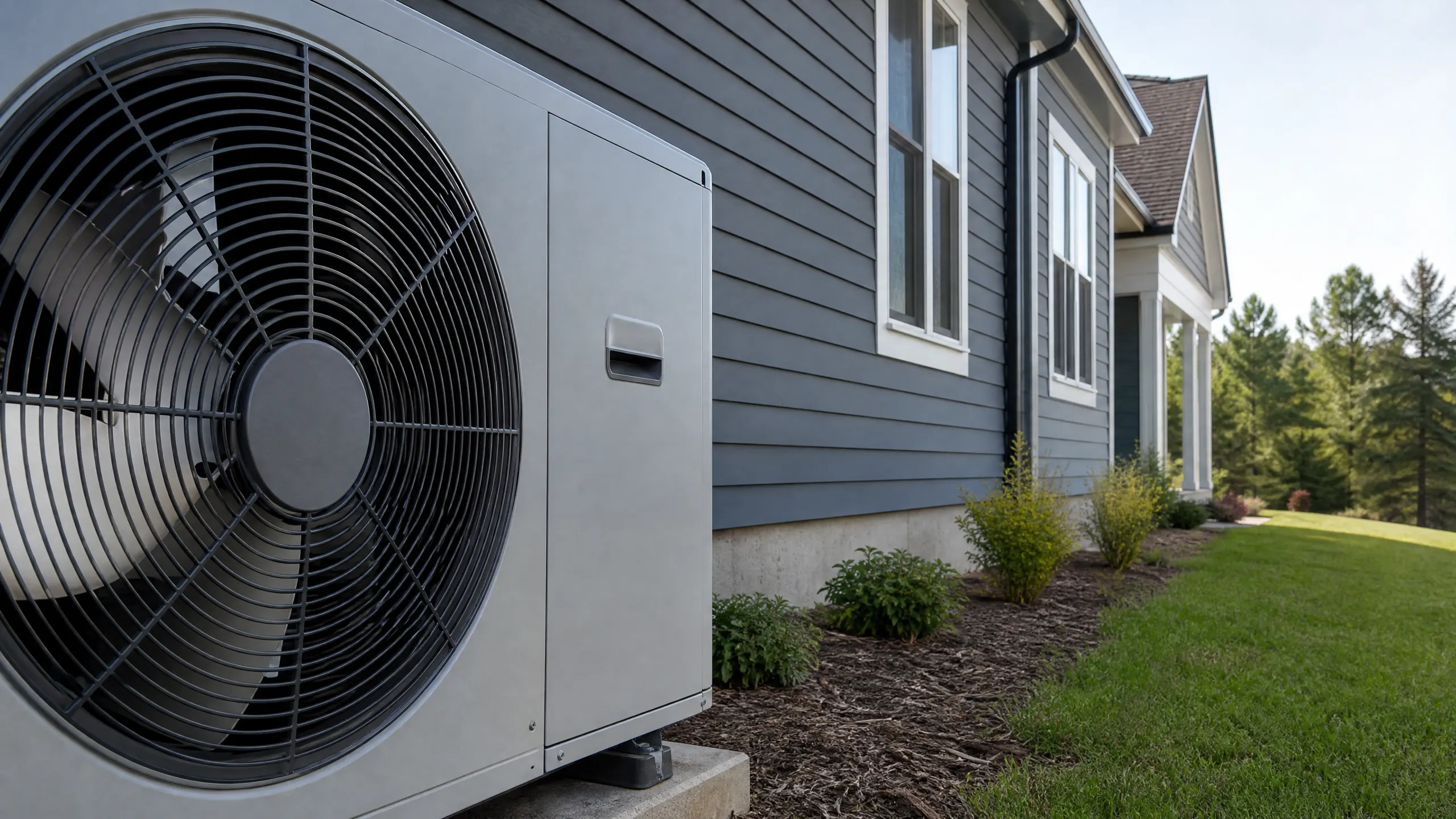
Chatham County asks a heat pump to run 11 months out of the year, cooling through summer afternoons near 91°F and switching to heat on winter nights that average 42°F. That constant back and forth wears on the reversing valve, the part that decides whether the system is heating or cooling. When it starts to stick, the unit blows cold air when you asked for heat, or it won't shut off once the room is warm enough.
Most homes here heat with electricity, so the heat pump is not a backup system, it is the only thing keeping the house warm on a cold night. That makes power loss more than an inconvenience. Chatham County has seen 246 damaging wind events over the past ten years, and in 2024 nearly a third of Georgia households went at least 24 hours without power. A hard shutdown during a storm can trip the breaker or leave the outdoor unit silent when power comes back, and it takes a reset or a service call to get it running again.
- 5 months
- November through March, your system heats
- 6 months
- May through October, it cools
- 42°F
- the average winter night it heats against
- 91°F
- the average summer afternoon it cools against
NOAA nClimDiv, 1991–2020 normals
Georgia requires HVAC contractors to hold a state license.
The State Construction Industry Licensing Board is the body that tested the contractor and keeps the record. That license belongs to the contractor, not to this one job, so it does not expire or get rechecked each time someone in Chatham County calls for a repair.
A heat pump repair usually means opening the refrigerant side of the system, and that work needs its own credential on top of the state license. Anyone handling refrigerant, in Georgia or any other state, has to hold EPA Section 608 certification. The state license tells you Georgia stands behind the contractor. The federal certification tells you the person touching the refrigerant lines is qualified to do it.
Source: Georgia Secretary of State
- Why is my heat pump blowing cold air?
- In heating mode, the air coming out can feel cool even when the system is working right, since it's warmer than the room but well below body temperature. If the air is actually cold, check that the filter isn't clogged and that the outdoor unit isn't caked in ice or debris, since blocked airflow keeps the system from pulling in the heat it needs. A thermostat set to "emergency heat" or a refrigerant leak will also leave you with cold air, and neither is something to wait out. If a new filter doesn't fix it, have a contractor check the refrigerant charge and the reversing valve, the part that switches the system between heating and cooling.
- Why is there ice on my heat pump?
- Some frost on the outdoor coil in cold weather is normal, and the unit should run a defrost cycle every so often to melt it off. If ice is building up faster than the unit clears it, or a thick layer is covering the coil, airflow is being blocked somewhere. That usually traces back to a dirty coil, a failed defrost control, or low refrigerant. Have a contractor check the defrost cycle before the ice spreads far enough to stop the system from heating at all.
- Why is my heat pump running but not cooling?
- If the unit runs but the air isn't cold, the usual causes are a dirty filter restricting airflow, a frozen coil, or refrigerant that has leaked out. A thermostat set incorrectly can also make it seem like the system isn't cooling when it's actually just not calling for cooling. On the hottest summer afternoons here, which can reach 91°F, a system that's low on refrigerant or has a blocked coil will run constantly without bringing the house down to temperature. A contractor can check the refrigerant charge and airflow to find which one it is.